Falling trees in Midwest storms: how to stay safe at home and in the car
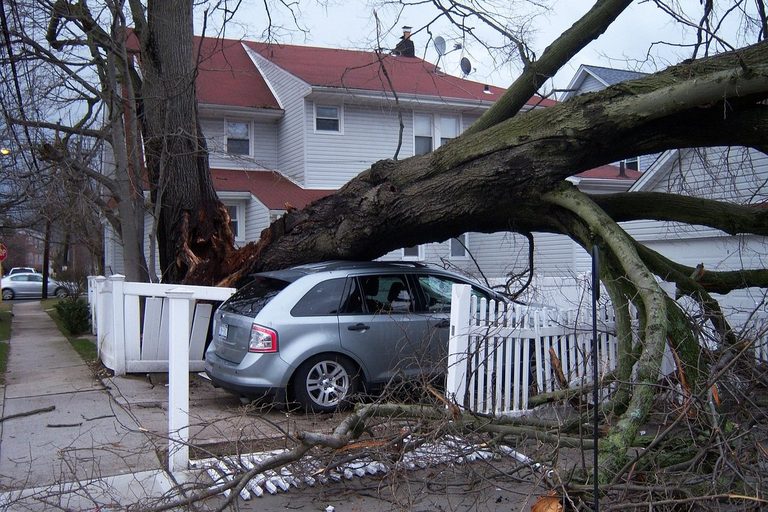
Where to shelter at home, in a car, and outdoors when a severe storm drops trees, plus what to do with power lines and insurance claims afterward.
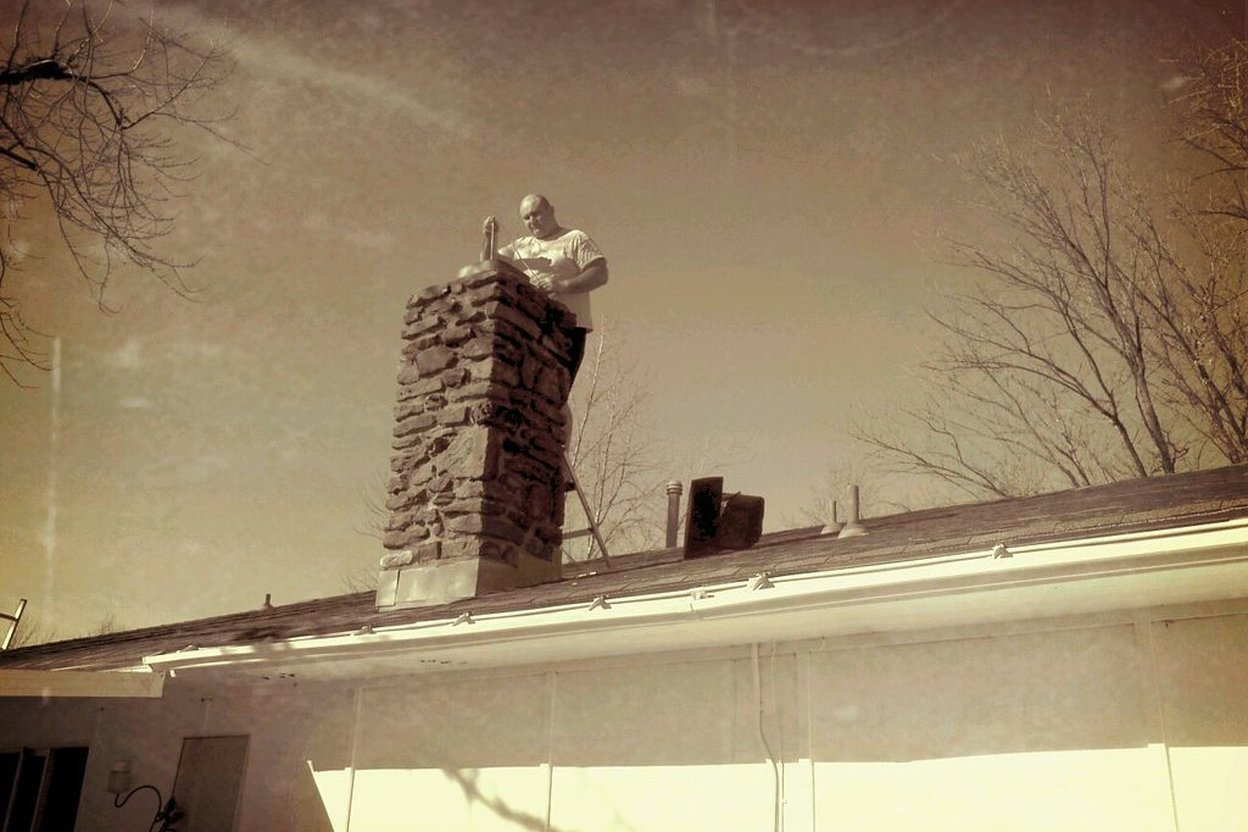
Why a chimney sweep before the first fire matters, what a full cleaning includes, what it costs, and the warning signs of a chimney fire.
On the first cold night of fall, the fireplace or wood stove starts to look like the best seat in the house. Before you strike that first match, have the chimney inspected and cleaned. Creosote left from last winter can catch fire, and birds or squirrels may have nested in the flue over the summer. Sweeps also get busier with every cold week. The National Fire Protection Association (NFPA) says chimneys should be inspected and cleaned every year, and the time to do it is before the season starts.
Most home heating fires happen in deep winter. In NFPA data from 2014 to 2018, December, January and February accounted for 48% of home heating fires, and January was the worst month. Getting the chimney checked in fall means problems get found before the stretch when you'll lean on the fire the most.
The leading contributing factor in home heating fires is simple: failure to clean. According to Portland Fire & Rescue, it accounts for about 25% of them, mostly from wood stoves and fireplaces and chiefly the chimneys. That's the cheapest kind of fire to prevent.
A chimney that sat unused all last year still needs a look. The Chimney Safety Institute of America (CSIA) points out that animal nests and general wear can make a lightly used chimney unsafe. Homes with gas heat aren't exempt either. CSIA says gas-heated homes should have their chimneys and vents inspected every year too. For what to look at yourself before the sweep comes, see this chimney and fireplace check before the first fire.
Then there's the calendar. CSIA's Russ Dimmitt told Bob Vila that late summer or early fall is the best time to hire a sweep, because once cool weather arrives, schedules get "booked out for extended periods." In mid-October that window is closing but still open. Call this week, not after Halloween.
When wood burns, the smoke carries unburned material up the flue. As it cools, some of it sticks to the inside of the chimney as creosote. It starts out flaky and sooty but can harden into a tar-like glaze, and every fire adds another layer.
Creosote burns, and it burns hot. If enough builds up and a hot fire or a stray ember lights it, the fire is no longer in the firebox. It's inside the chimney itself. Fireplaces and chimneys were involved in about 3 in 10 home heating fires in the NFPA data.
The bigger danger is what's hiding in the flue. A crack in the liner or a gap in the mortar joints lets flames and hot gases reach the wood framing in your walls or attic. You can't see those cracks from the living room. Spotting them is a big part of what a sweep's inspection is for.
You can slow creosote down by how you burn. Thoroughly dried hardwood burns hotter and cleaner and leaves less buildup than green or damp wood. If your firewood hisses or bubbles at the ends, it isn't dry yet. Seasoned wood still leaves some creosote, so it slows the buildup but doesn't replace the sweep.
CSIA says NFPA 211, the national standard for chimneys and fireplaces, calls for chimneys, fireplaces and vents to be inspected at least once a year. Cleaning depends on what the inspection finds:
If you burn wood most days all winter, you may reach that 1/8 inch faster than you'd expect. That's one more reason a yearly inspection is the minimum, not the goal.
Inspections come in three levels:
A real sweep cleans the whole system. CSIA is clear that a complete job includes the flue and the smoke chamber (the area above the damper). Cleaning only the firebox doesn't count. If someone vacuums the ashes and leaves in 20 minutes, you didn't get a chimney sweep.
Chemical "sweeping logs" sold at hardware stores don't replace one either. CSIA says chemical cleaners can't stand in for mechanical cleaning and inspection. They can help loosen hard, tacky creosote before a sweep brushes it out, but nobody looks at your liner while one burns.
For a standard chimney sweep, plan on roughly $150 to $400. Housecall Pro's 2026 price guide gives that range and cites Angi's national average of $254. An older Bob Vila guide puts it at $130 to $380 with a $255 average, so the middle of the market has held near $250 for a few years. Prices vary by region and company, so call two or three local sweeps and compare what each price includes.
Extra work costs extra. Typical add-on ranges from Housecall Pro:
A cap is worth thinking about if the sweep pulls a nest out. It keeps animals and rain out of the flue, and it can head off a repeat bill next year. Budget-wise, a yearly $250 sweep costs far less than a fire, and less than many single repairs.
On timing: the best window is late summer to early fall, and once heating season arrives, sweeps stay busy through winter. Some companies discount spring and summer work. Once this year's sweep is done, ask about booking next year's in the off-season and put it on the calendar. If you're hosting Thanksgiving on November 26 and planning a fire, book now so the sweep comes before the guests do.
Finding a good sweep: use CSIA's "Find a Pro" tool at csia.org to look for certified sweeps near you. CSIA also suggests asking any sweep what a Level 1 inspection includes. A trained sweep can answer that right away.
Know the signs, even with a clean chimney:
If you suspect a chimney fire: shut off the fire's air supply if you can do it safely (close the stove's air controls and door). Then get everyone out and call 911. Don't stay to see whether it burns out. Fire can spread into the walls or attic where you can't see it.
Everyday habits that prevent trouble:
One phone call this week covers most of this. Book the sweep and replace the alarm batteries, and the first fire of the season can just be a nice night in.
Photo: Chimney Sweep by SidewaysSarah, BY 2.0.
Where to shelter at home, in a car, and outdoors when a severe storm drops trees, plus what to do with power lines and insurance claims afterward.
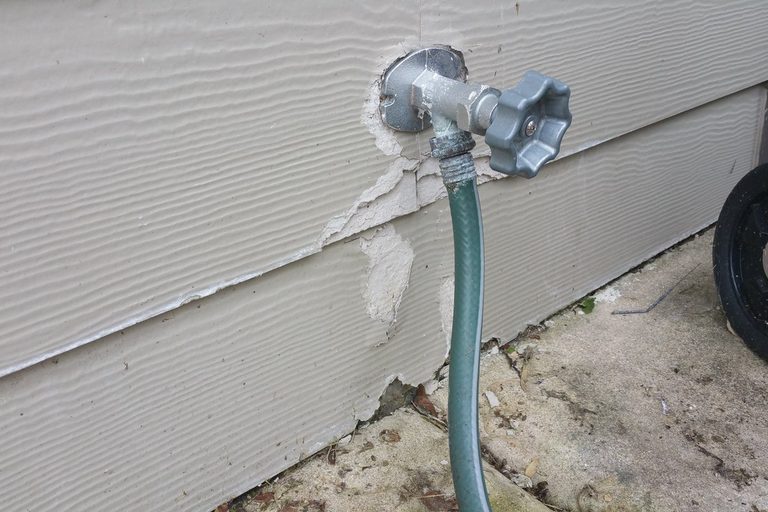
An outside faucet left connected to a hose is one of the most common frozen-pipe leaks. How to shut off and drain outdoor faucets, when a cover helps, and how to check…
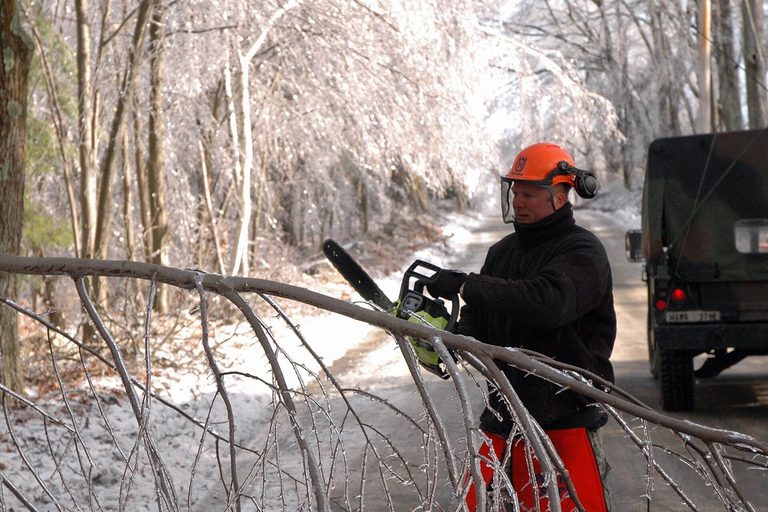
Ice storms bring down trees and power lines across whole regions, and outages can last days. How to prepare the house, the yard and the family before freezing rain, and what to…