The covered porch is still inside for carbon monoxide
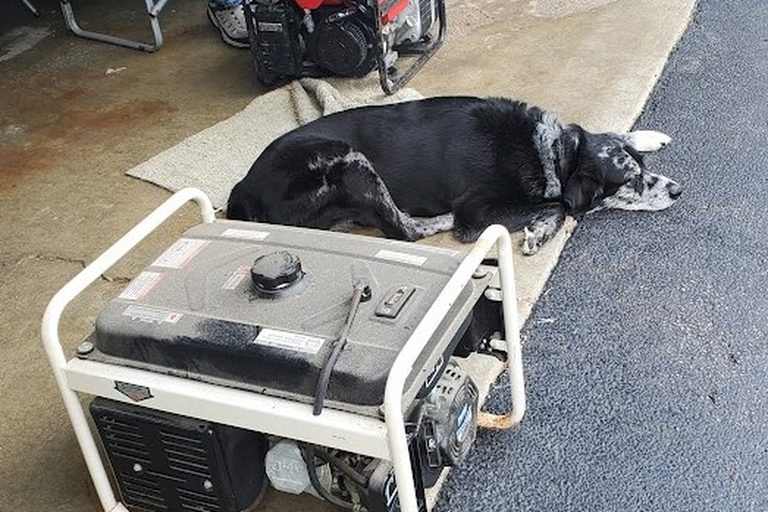
A covered porch counts as indoors for carbon monoxide. Learn the 20-foot rule, safe generator placement, and how to set up CO alarms.
30 articles
A covered porch counts as indoors for carbon monoxide. Learn the 20-foot rule, safe generator placement, and how to set up CO alarms.
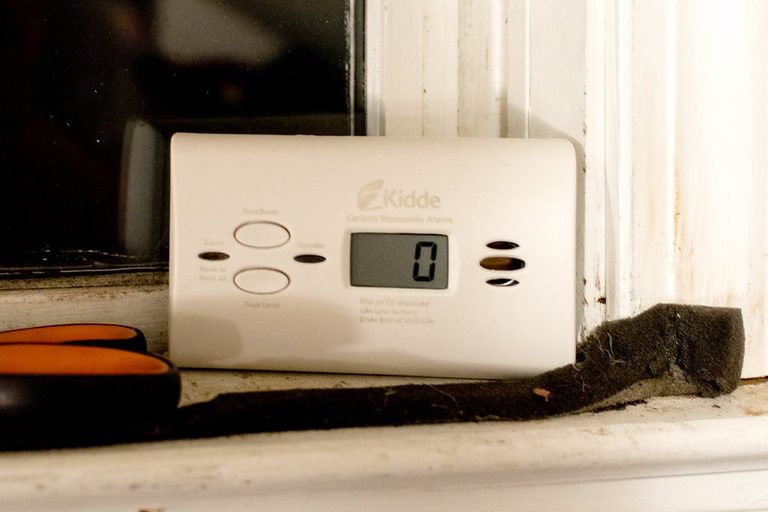
Check that every floor and sleeping area has a battery-backup CO alarm, placed and tested, before the first winter power outage.
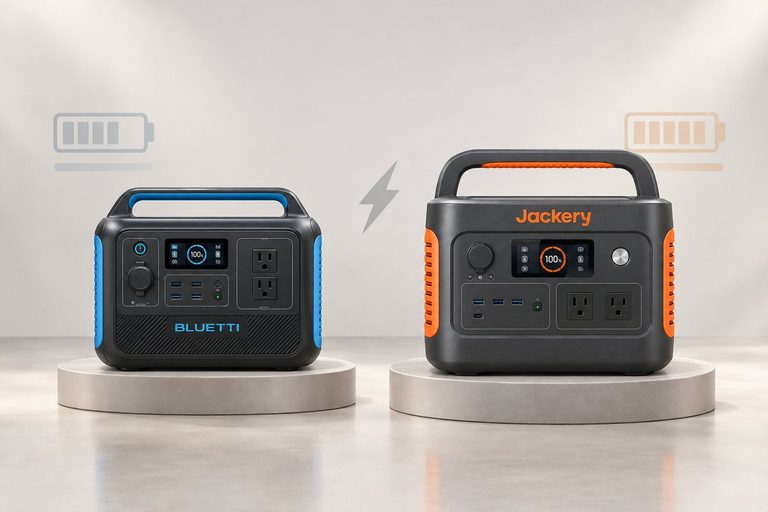
Bluetti Elite 100 vs. Jackery Explorer 1000 compared on runtime, solar charging, and price, with a clear pick for keeping a home running through an outage.
Use one Saturday before the first freeze to start your generator, test smoke and CO alarms, and disconnect, drain, and cover outdoor faucets.
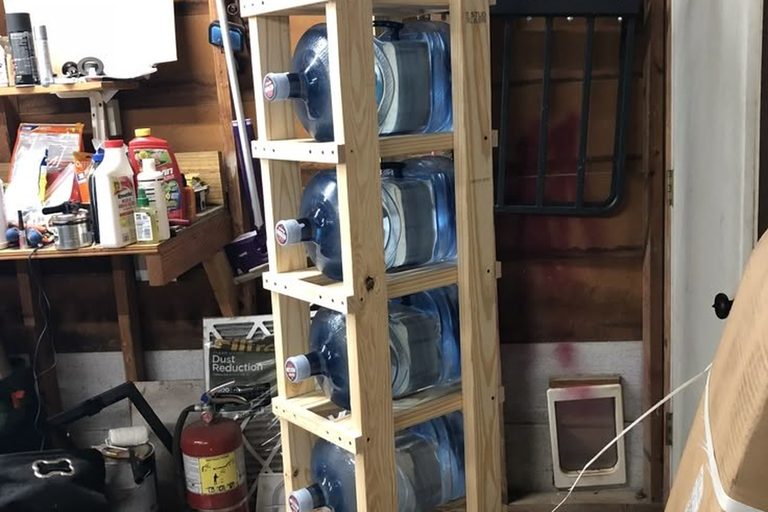
Stock water, no-cook food, light, charging, a 7-day medication supply, fuel, CO alarms, and food-safety tools in October, before a November outage.
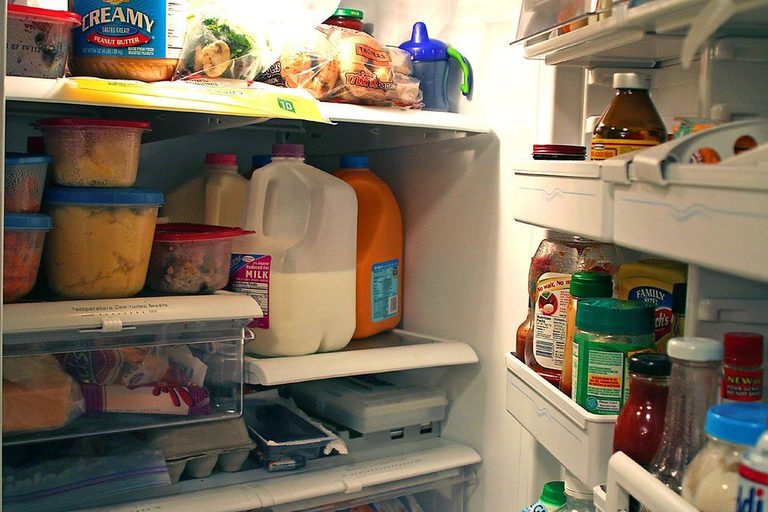
Discover how long food stays safe in a power outage, how to extend that time with a cooler, and exactly what to throw out.
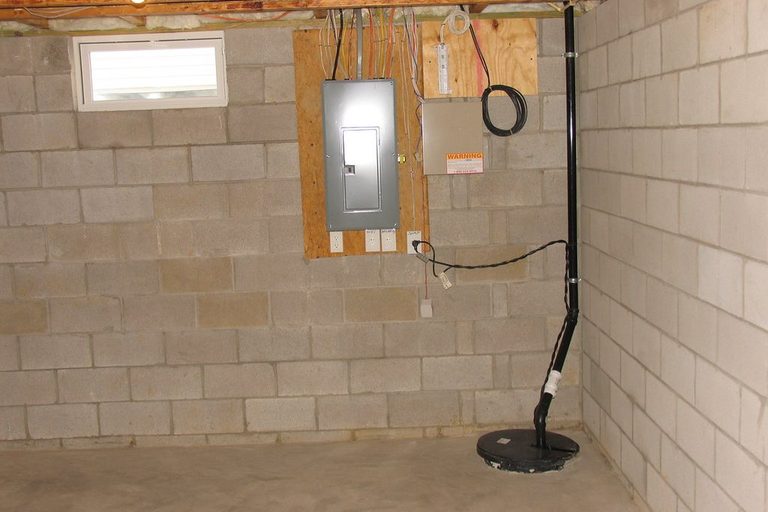
Discover whether your backup can start a sump pump when power fails, comparing battery backup, generators, power stations, and more.
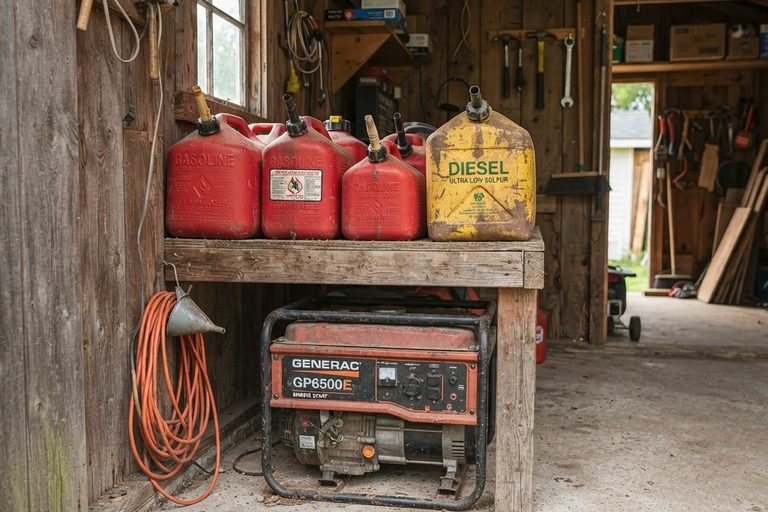
How long stored gas and diesel stay usable, what stabilizer adds, how ethanol changes things, and how to store and rotate fuel cans safely.
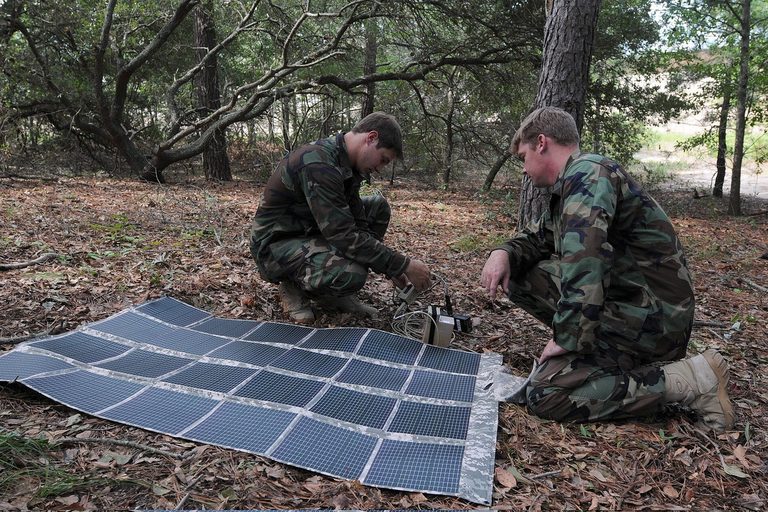
What 400 or 800 watts of portable solar refills in a day, June vs. December, and which outage loads it can keep running.
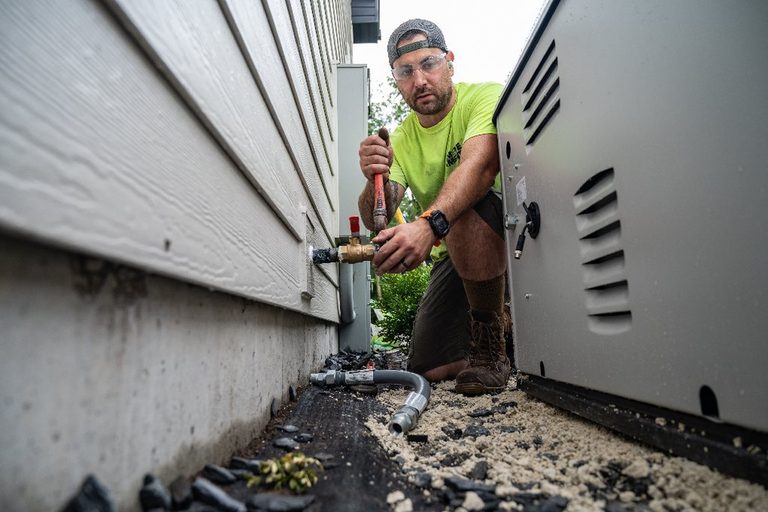
What a standby generator really costs installed in 2026 ($7,000–$20,000), what the money pays for, and why fall installs take 4–8 weeks or longer.
Battery power stations are great for phones, lights, routers and medical devices. They're the wrong tool for heat, wells and big appliances. What they will and won't do, in plain numbers.
How to estimate how much gas your generator burns in an outage, how much to keep on hand for a multi-day Midwest storm, and how to store and rotate it safely.