The covered porch is still inside for carbon monoxide
A covered porch counts as indoors for carbon monoxide. Learn the 20-foot rule, safe generator placement, and how to set up CO alarms.
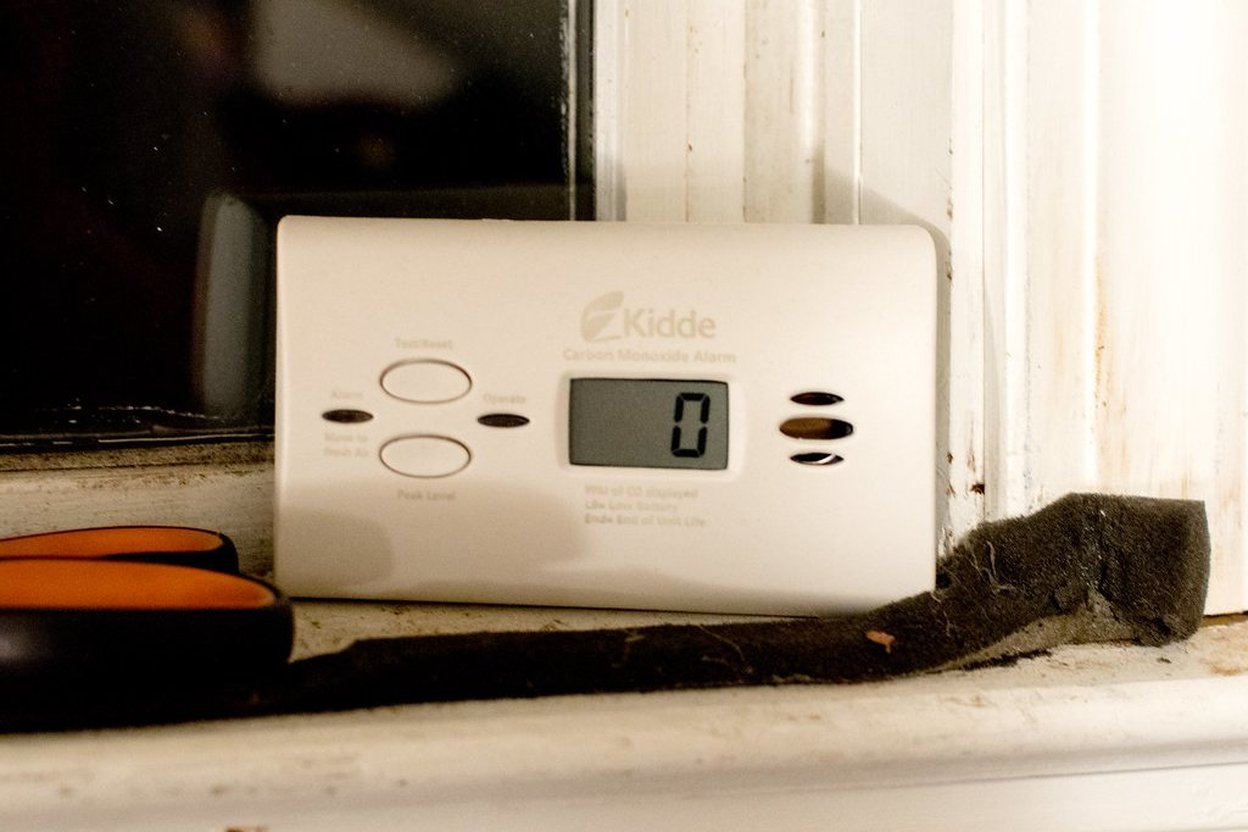
Check that every floor and sleeping area has a battery-backup CO alarm, placed and tested, before the first winter power outage.
The first cold snap is a good time to walk the house. You push the test buttons on the smoke alarms and maybe drag the generator out of the shed to check that it starts. Then think about the first night the power goes out this winter, with the generator running outside and a family asleep upstairs. Answer this before that night comes: is there a working carbon monoxide alarm on every floor and outside every bedroom area, and does it run on batteries? If not, fix it now, while the stores are open and the lights are on.
You can't see, smell or taste carbon monoxide. The CDC says people who are asleep, intoxicated or impaired can die before they ever notice symptoms. That is why outage nights are so dangerous: the household is asleep and the fuel-burning machines are running.
The national numbers depend on which agency you ask, because they count differently. The CDC says more than 400 Americans die each year from unintentional CO poisoning not linked to fires. More than 100,000 go to an emergency department and more than 14,000 are hospitalized. The Consumer Product Safety Commission counts more than 200 deaths a year from consumer products. More than 100 of those deaths are linked to portable generators.
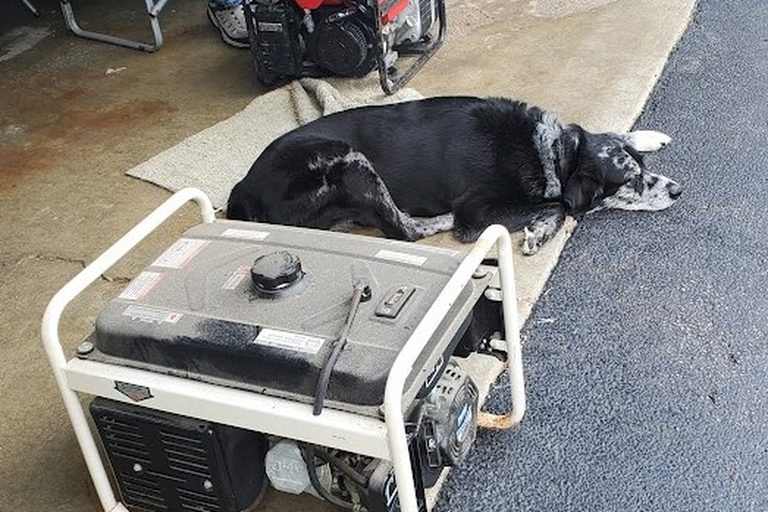
Outages make the danger worse. A CDC report from Hurricane Ike found that a typical 5.5 kW generator puts out as much CO as six idling cars. Most exposures after that storm happened within two days, and most came from generators placed in the wrong spot. Heaters and stoves used for warmth are another common cause.
An alarm hung on a quiet Tuesday in October will be ready for that first night. One still in the box from the hardware store won't help.
The CPSC, the NFPA and the CDC all give the same basic advice: one alarm on every level of the home, and one outside each sleeping area. In practice:
The law depends on where you live. Illinois requires at least one approved CO alarm within 15 feet of every room used for sleeping. The law has been in effect since 2007. In Illinois rentals, the owner supplies and installs the alarms. According to a city summary of the Act, the tenant tests and maintains them once the lease begins. Other states and cities have their own rules, so check with your local building or fire department. Treat the law as the minimum. Every level plus every sleeping area is the safer standard.
Placement only matters if the alarm still works with the power out. That decides the most important thing about the alarm you buy.
Many households pair a combination smoke/CO alarm in the hallways with a plain CO unit in the basement. Either setup works as long as every level and every sleeping area is covered.
An alarm you never test is only a guess. Keep the routine simple:
The alarm only warns you. Keeping CO out of the house in the first place comes down to where and how you run the generator. Here are the CPSC and CDC basics:
The same goes for anything you use for heat or cooking. Never heat the house with a gas range or oven, and never bring a grill or camp stove indoors. If you heat with wood, keep the chimney clean and have the stove inspected before the season starts. Make these rules your plan, and count on the alarm only if something goes wrong.
Don't try to find the source and don't wait to see if it stops. **Get everyone out into fresh air, pets too, then call 911** from outside. The CPSC says to go outdoors and call right away if you suspect CO poisoning.
Watch for the symptoms the CDC lists, which are often mistaken for the flu:
If several people in the house feel sick at once, or everyone feels better after stepping outside, assume it's CO. Don't go back in for a phone charger, a coat or the dog's leash. Wait until responders tell you the home is safe. Then check the generator setup or the appliance before running it again.
The job takes one evening: count your floors, count your bedroom areas, check the battery backup, and put spare batteries in the kit. It's best done this month, well before the first outage night.
Photo: Triptych: Fire and Safety: CO Detector by bellemarematt, BY-SA 2.0.
A covered porch counts as indoors for carbon monoxide. Learn the 20-foot rule, safe generator placement, and how to set up CO alarms.
Bluetti Elite 100 vs. Jackery Explorer 1000 compared on runtime, solar charging, and price, with a clear pick for keeping a home running through an outage.
Use one Saturday before the first freeze to start your generator, test smoke and CO alarms, and disconnect, drain, and cover outdoor faucets.