Falling trees in Midwest storms: how to stay safe at home and in the car
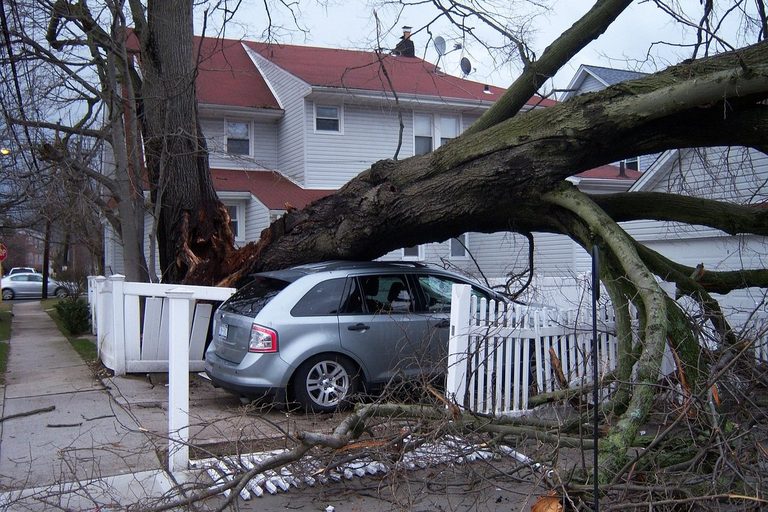
Where to shelter at home, in a car, and outdoors when a severe storm drops trees, plus what to do with power lines and insurance claims afterward.
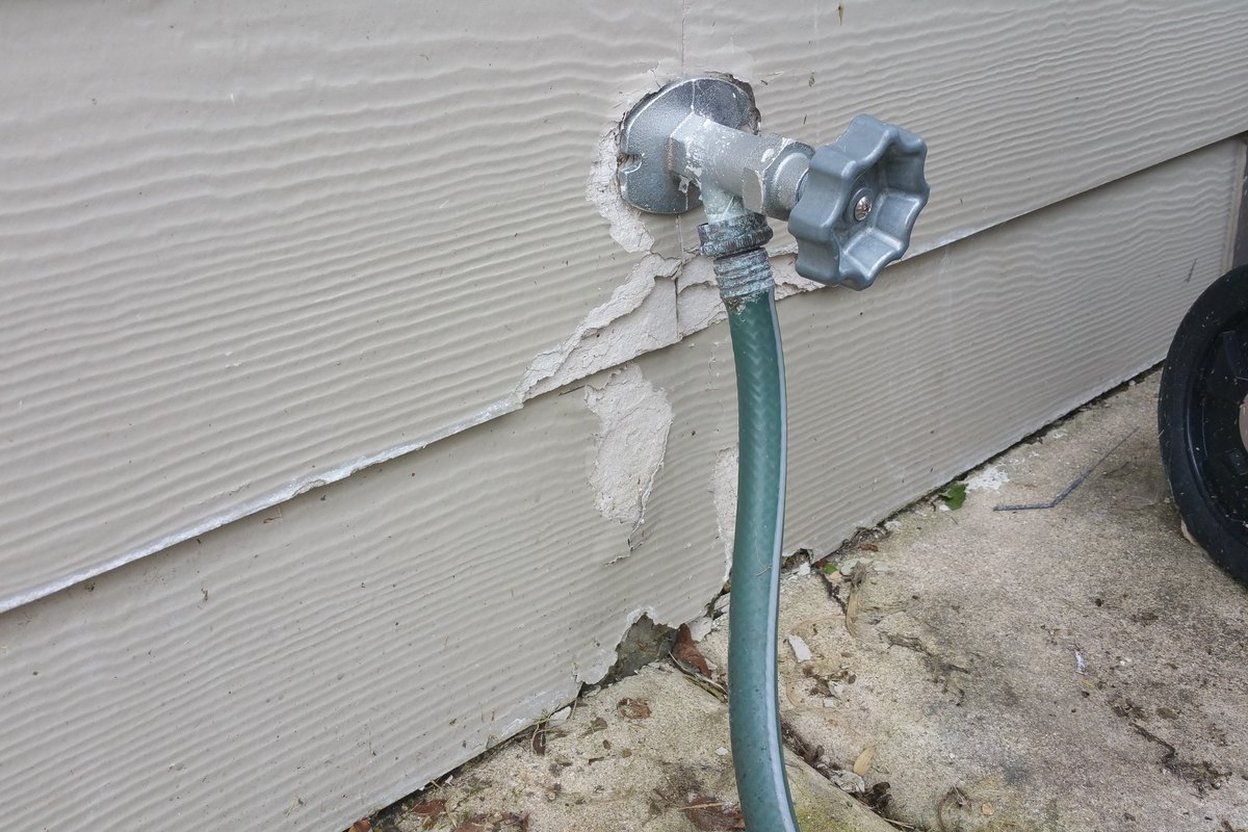
An outside faucet left connected to a hose is one of the most common frozen-pipe leaks. How to shut off and drain outdoor faucets, when a cover helps, and how to check frost-free spigots.
Every winter, plumbers get the same call: water pouring into a basement or finished wall the first time someone turns on the outside faucet in spring. The pipe froze and split in January. Nobody knew until the spring thaw.
Here's how to prevent it, in about 15 minutes per faucet.
A hose left attached traps water in the faucet. When it freezes, it can split the pipe, even on a "frost-free" faucet. Take the hose off, drain it, and store it.
Many older homes have a separate shutoff valve inside for each outdoor faucet, usually in the basement near where the pipe goes through the wall.
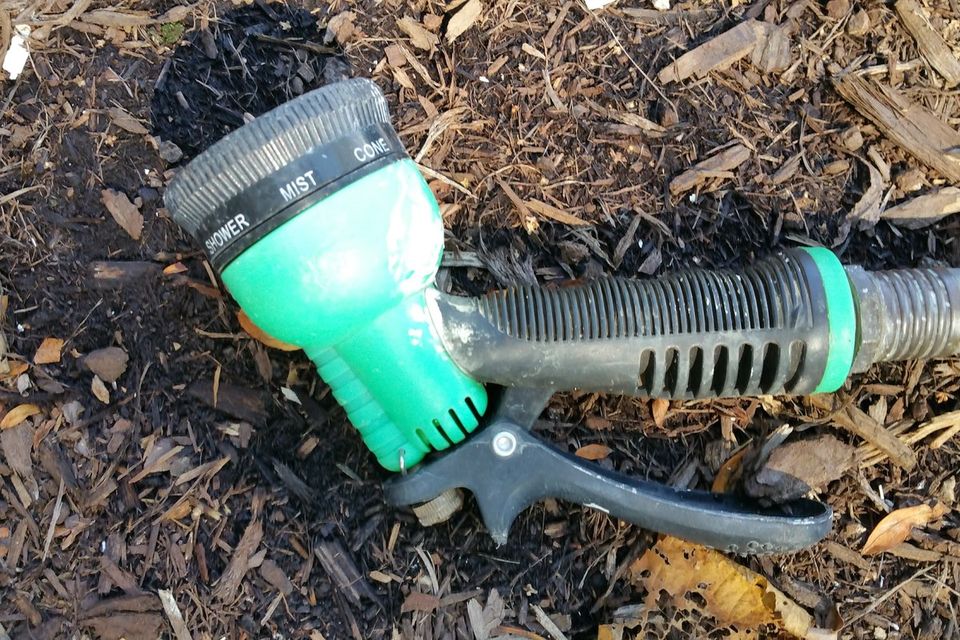
Frost-free (freeze-proof) faucets shut the water off well inside the warm wall. They work, if:
Turn it on and off once. Water should drain out of the spout for a few seconds after you shut it.
An insulated hose bib cover (foam dome or insulated bag) adds protection, especially on north walls and in exposed spots. They're cheap. Put them on after you've drained the faucet.
If you have an irrigation system, blow it out before the hard freeze. That's a separate job, and many people hire it out.
A long winter outage with no heat puts indoor pipes at risk too. See frozen pipes during an outage and keep one room warm.
If a pipe does burst, you need to find the main water shutoff fast. Find it now, tag it, and make sure everyone in the house knows where it is and how to turn it.
Do this on the same Saturday you start the generator and test the CO alarms.
Where to shelter at home, in a car, and outdoors when a severe storm drops trees, plus what to do with power lines and insurance claims afterward.
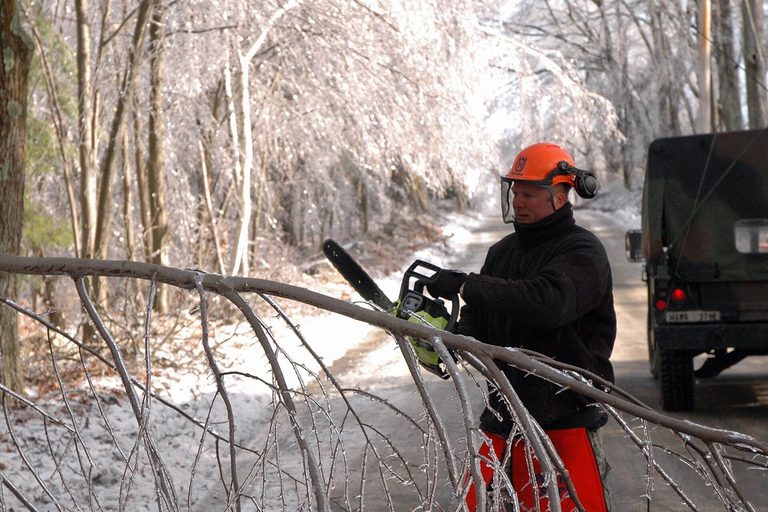
Ice storms bring down trees and power lines across whole regions, and outages can last days. How to prepare the house, the yard and the family before freezing rain, and what to…
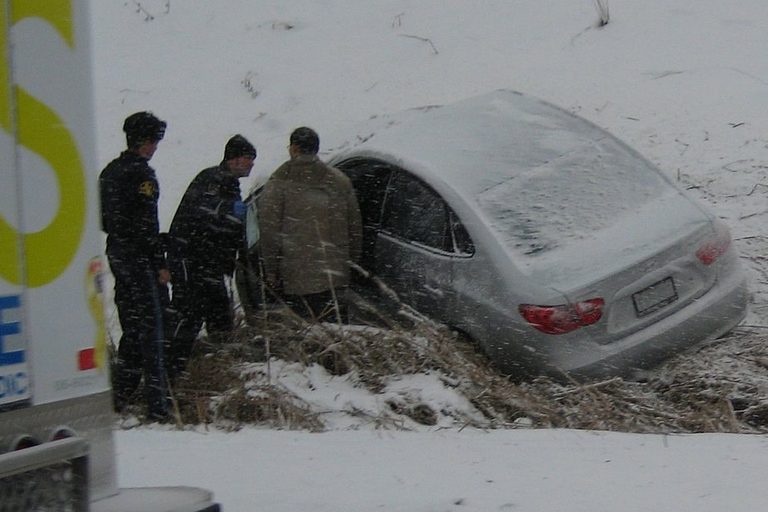
A Midwest winter can strand you on a highway for hours. What belongs in a winter car kit, why each item matters, and what to do if you get stuck.