The covered porch is still inside for carbon monoxide
A covered porch counts as indoors for carbon monoxide. Learn the 20-foot rule, safe generator placement, and how to set up CO alarms.
Use one Saturday before the first freeze to start your generator, test smoke and CO alarms, and disconnect, drain, and cover outdoor faucets.
When the first cold snap is on the forecast, you can use one Saturday to prepare your generator, test your alarms, and protect your outdoor faucet. Start the generator first, test every smoke and carbon monoxide alarm next, then disconnect and drain outdoor faucets before adding covers.
The order gives you time to catch a generator problem that needs fuel, oil, or a shop visit, then finish with the outdoor work before freezing weather arrives.
Start with the generator, move indoors to test your smoke and CO alarms, then finish outside by disconnecting hoses and draining faucets. The generator comes first because a failed start or maintenance issue may call for fuel, oil, or a service appointment. Alarm checks take little time, and faucet prep is easiest to complete before temperatures drop.
In much of the Midwest, the normal first freeze falls in October. The National Centers for Environmental Information provides first-fall-freeze dates by location: Rockford’s normal date is October 13, Chicago O’Hare’s is October 19, and Indianapolis’s is October 26. Check the Chicago-area freeze dates and Indianapolis-area frost and freeze dates for local context. Some years bring a freeze earlier.
If you leave a task undone, use the time change as a backup reminder: clocks fall back Sunday, November 1, 2026. In warmer states, you can schedule faucet protection later if freezing weather is not expected; generator and alarm checks apply nationwide.
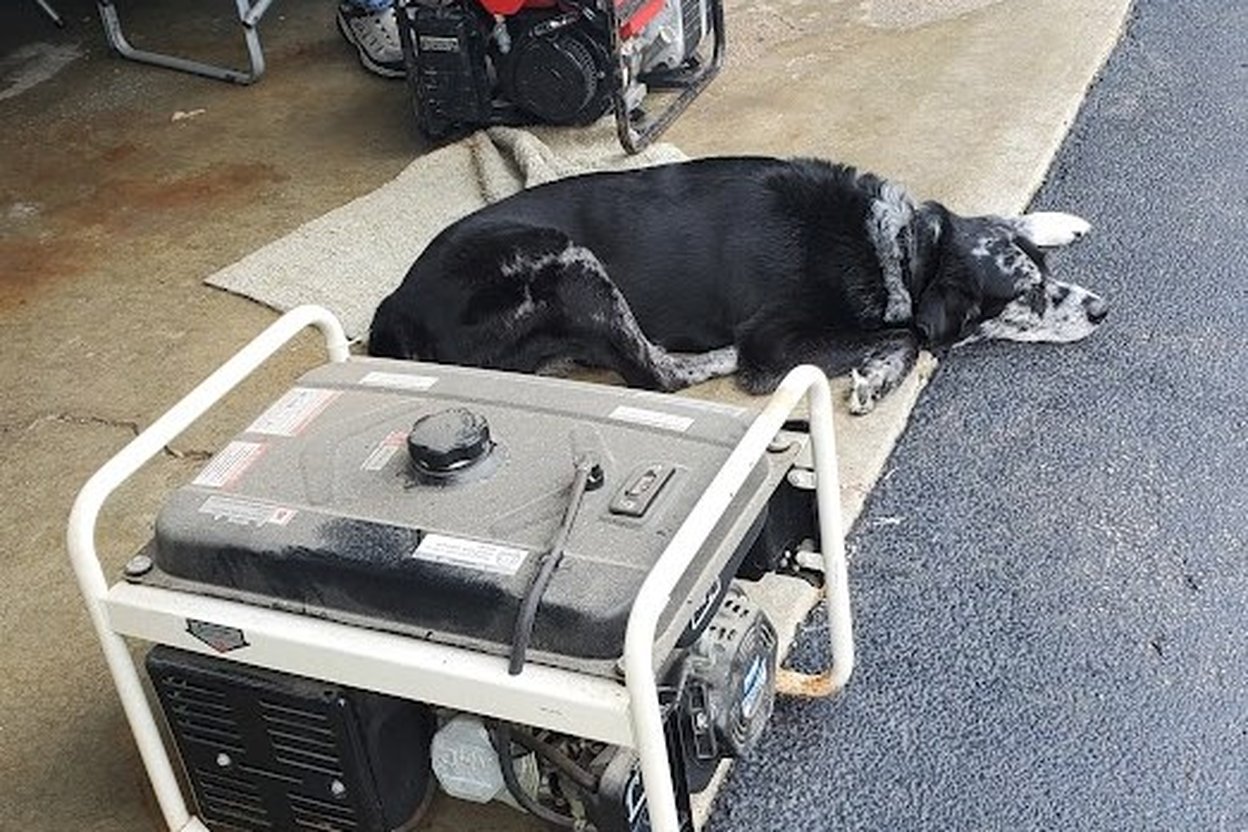
Run your generator outdoors under load, following the maintenance and exercise schedule in its manual. For a portable model, wheel it at least 20 feet from the house; never operate it in a garage, on a porch, or in a carport.
Check the oil, add fresh stabilized gas, and connect a real load. Run time varies by model: Generac’s GP-series manual calls for 30 minutes every 30 days, while Champion recommends 15 to 20 minutes monthly with a load such as a space heater or hair dryer. Follow your own manual’s schedule. The CPSC’s portable-generator safety alert covers the hazards of operating these units.
For maintenance, Champion recommends an oil change after the first five hours on a new unit and about every 100 hours after that. Replace the spark plug yearly, and keep an electric-start battery on a tender. If you will not run the generator monthly, Honda recommends draining the carburetor.
For a standby unit, confirm that its exercise timer is set for the interval your manual specifies: weekly, biweekly, or monthly, for about five minutes. Clear leaves and plants at least three feet from the louvers. Generac’s guidance for its standby models calls for an oil change yearly or every 100 hours in cold climates; check your model’s manual for its interval.
Never connect a generator to a wall outlet to power your home. That can backfeed electricity into utility lines and create a serious hazard.
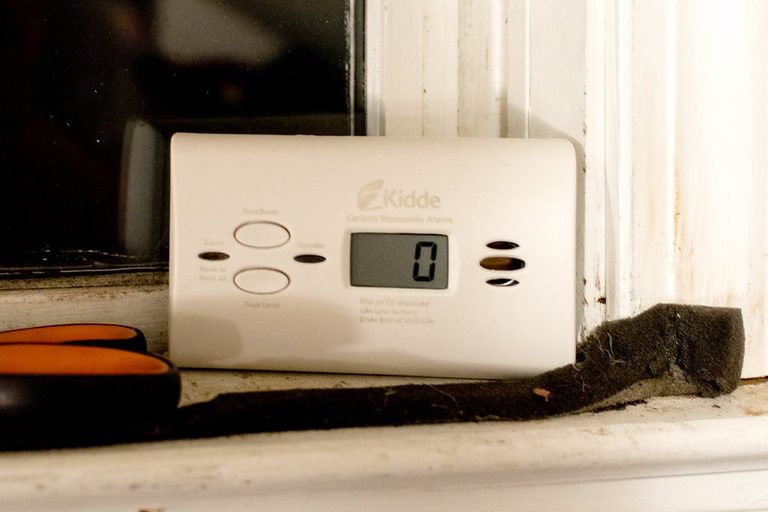
Press the test button on every smoke and carbon monoxide alarm, then check each unit’s manufacture date and replace alarms that have reached the end of their service life. NFPA and CPSC recommend monthly testing; the CPSC’s winter power-outage warning also addresses carbon monoxide and fire risks during outages.
Replace smoke alarms 10 years after their manufacture date. CO alarm life spans range from seven to 10 years, depending on the model, according to Kidde. If an alarm chirps every 30 seconds and a new battery does not stop it, the unit has reached end of life.
As part of your fall check, clear leaves from the outside vent for fuel-burning appliances, as the National Weather Service advises. State requirements differ: Illinois requires new battery-powered smoke alarms to have a 10-year sealed battery, effective January 1, 2023. Minnesota requires a CO alarm within 10 feet of every bedroom. Wisconsin requires one on each floor and in the basement when a home has a fuel-burning appliance, fireplace, or attached garage.
This week, October 4–10, is Fire Prevention Week. NFPA’s 2026 theme is charging lithium-ion batteries safely, including batteries used in power stations.
Disconnect every hose, drain the faucet line, and add an insulated cover as the final step. A cover is an extra layer; it does not replace disconnecting the hose and draining the line.
Store each hose after unhooking it. If your faucet has an indoor shutoff valve, close it, then open the outdoor faucet to drain the line and leave the faucet open, following Red Cross guidance. For a frost-free faucet, removing the hose is essential: Woodford says the faucet drains only when the hose is off and the line has a downward pitch.
A hose left attached can cause the tube inside the wall to split. You might not discover the leak until you turn the water on in spring, so remove hoses before cold weather and check that the line can drain.
The financial stakes can be substantial. State Farm paid more than $628 million on over 20,000 freeze claims from January 2024 through June 2025, an average of more than $30,000 per claim. Illinois had the highest total cost among the states in its figures.
Gather the supplies before you begin, so you can finish the checks without stopping to shop:
Start with the generator: check its oil, fuel, and maintenance needs, then run it under load if it is portable. Test each alarm and check its date next. Finish outdoors by removing and storing hoses, draining each faucet line, and fitting covers after the drainage steps are complete.
A covered porch counts as indoors for carbon monoxide. Learn the 20-foot rule, safe generator placement, and how to set up CO alarms.
Check that every floor and sleeping area has a battery-backup CO alarm, placed and tested, before the first winter power outage.
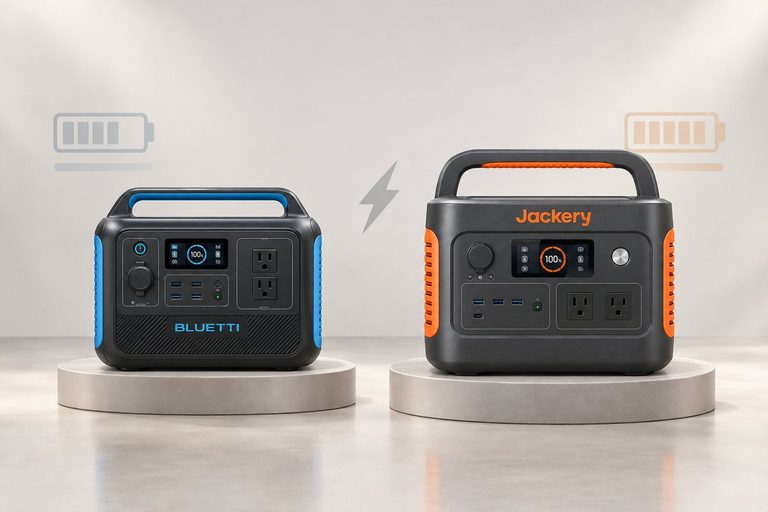
Bluetti Elite 100 vs. Jackery Explorer 1000 compared on runtime, solar charging, and price, with a clear pick for keeping a home running through an outage.