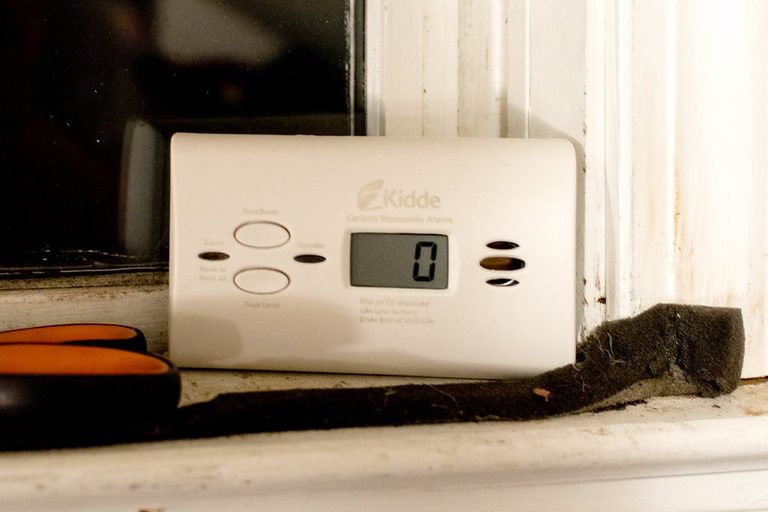
The covered porch is still inside for carbon monoxide
A covered porch counts as indoors for carbon monoxide. Learn the 20-foot rule, safe generator placement, and how to set up CO alarms.
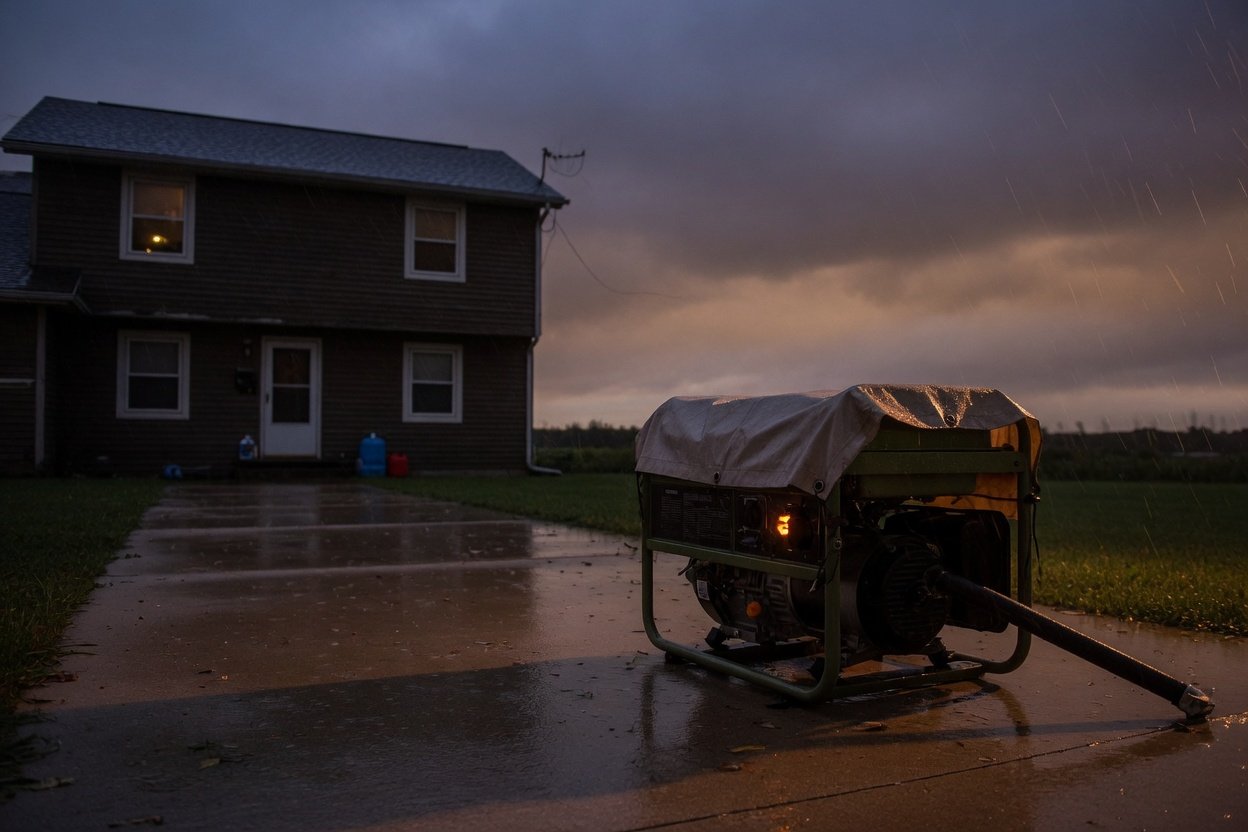
Generators save lives in outages and kill people every year. The rules for carbon monoxide, where to place a generator, fueling, cords, and why backfeeding can kill a lineworker.
After every big storm, the news carries the same tragic stories: families poisoned by a generator running in the garage, a lineworker hurt by power fed back into the lines. Every one of them is preventable. Here are the rules.
Generators make carbon monoxide (CO), a gas you can't see or smell, and it can kill in minutes.
"Backfeeding" means plugging a generator into a wall outlet or dryer outlet to power the house. It's illegal in many places and deadly:
The safe way to power house circuits is a transfer switch or interlock kit with an inlet, installed by a licensed electrician with a permit. See transfer switch vs. interlock kit.
Keep the generator dry, and don't touch it with wet hands. Use GFCI-protected cords.
A generator is one of the best tools a prepared household can own. Use it safely and it keeps your family warm and dry. Use it wrong and it's the most dangerous thing in the house.
A covered porch counts as indoors for carbon monoxide. Learn the 20-foot rule, safe generator placement, and how to set up CO alarms.
Check that every floor and sleeping area has a battery-backup CO alarm, placed and tested, before the first winter power outage.
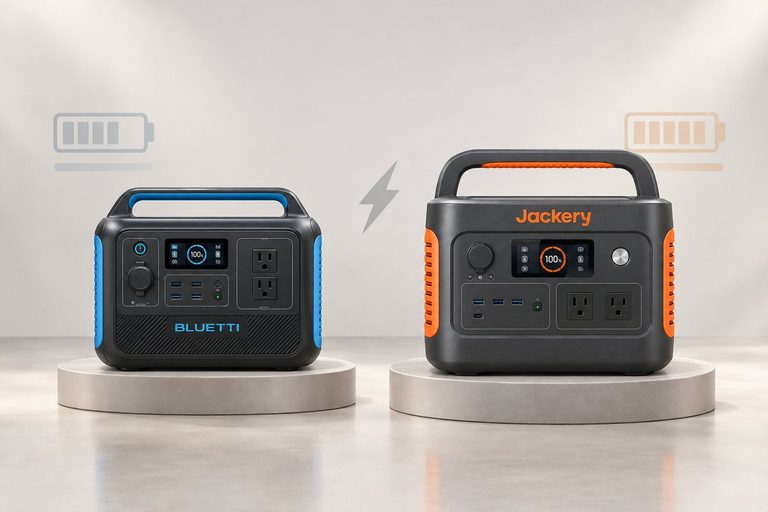
Bluetti Elite 100 vs. Jackery Explorer 1000 compared on runtime, solar charging, and price, with a clear pick for keeping a home running through an outage.