
Emergency Cash: How Much and Where to Keep It
How much emergency cash to keep for an outage, why small bills matter, where to store it at home, and what FDIC insurance does and doesn't cover.
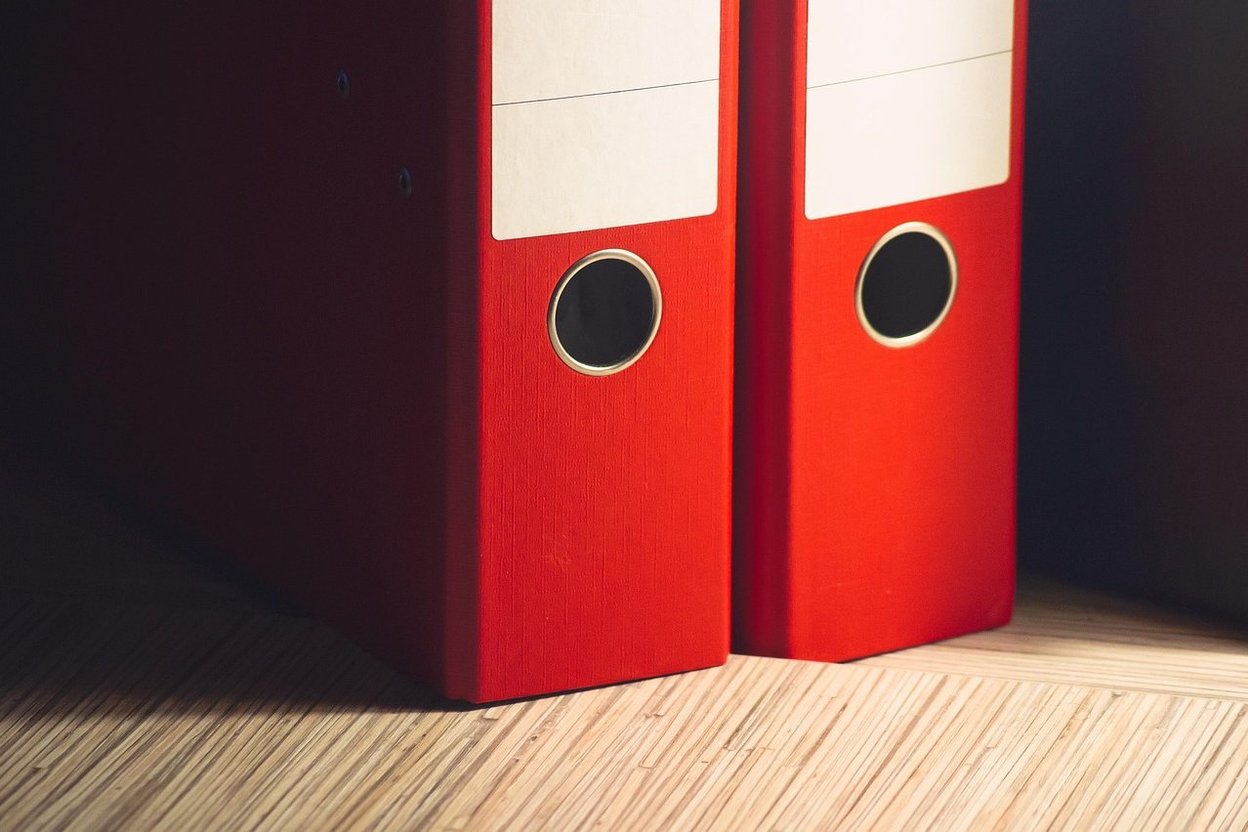
After a fire, flood or evacuation, the hardest part is often proving who you are and what you own. What to put in a grab-and-go binder, where to keep the originals, and how to keep a digital backup safe.
After a house fire, a flood or a fast evacuation, people often find that the hardest part of recovery isn't the cleanup. It's the paperwork: proving who you are, getting insurance claims moving, refilling prescriptions, and replacing ID. A grab-and-go document binder makes all of that much easier.
Keep copies in the binder and originals somewhere safe (more on that below).
Review the binder once a year: new prescriptions, new insurance, new kids, new cars.
Insurance claims go faster when you can prove what you owned, so make a video inventory of your home too.
The binder takes an afternoon to put together, and it can save you months of hassle when you need it most.
Photo by StockSnap on Pixabay.
How much emergency cash to keep for an outage, why small bills matter, where to store it at home, and what FDIC insurance does and doesn't cover.
When the lights go out, the first question is how long. Your electric company's outage map is the best answer you'll get. How to find it, sign up for alerts, and report…
After a fire or storm, you'll be asked to list everything you lost. A 20-minute walk-through video now makes the claim faster and the payout fairer. How to do it right, and…