Bookmark Your Utility's Outage Map Before the Storm
When the lights go out, the first question is how long. Your electric company's outage map is the best answer you'll get. How to find it, sign up for alerts, and report…
How much emergency cash to keep for an outage, why small bills matter, where to store it at home, and what FDIC insurance does and doesn't cover.
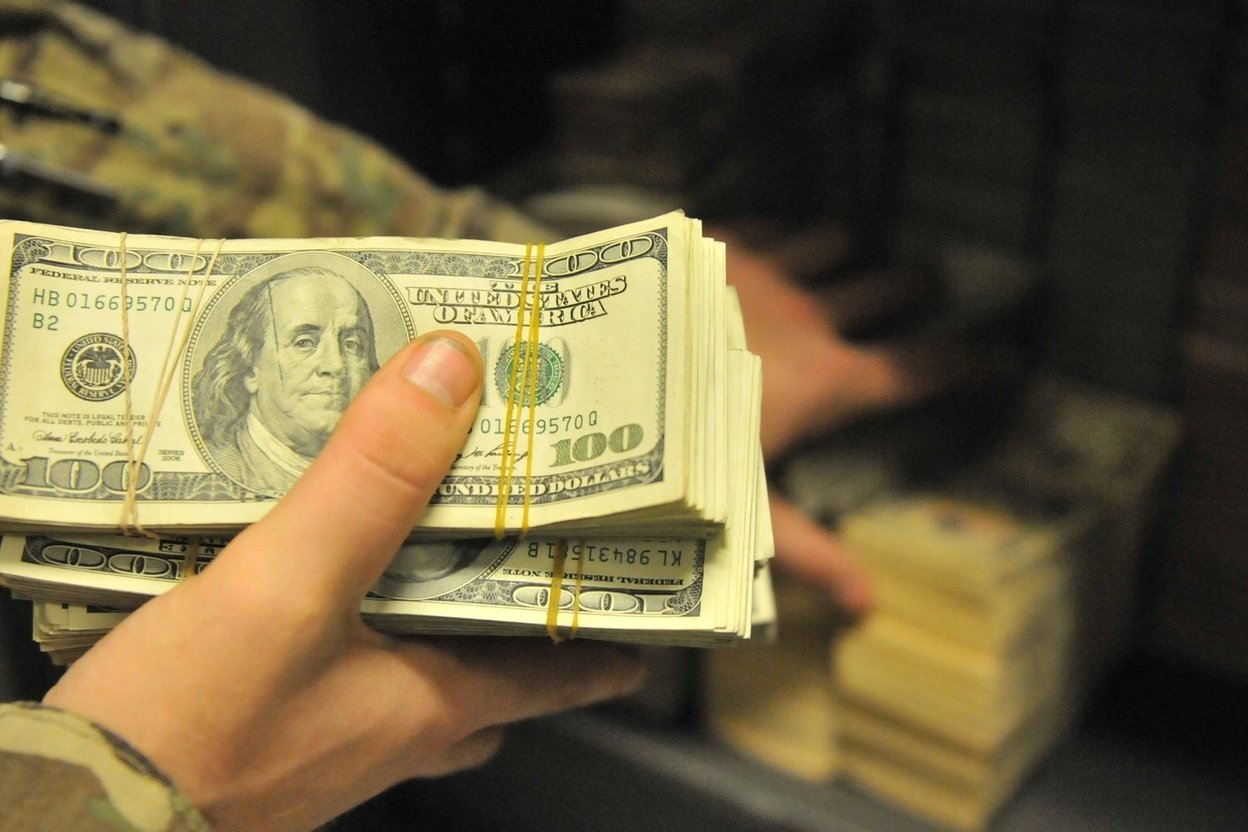
Keep enough cash at home to cover a few days of basics: fuel, food, medicine and maybe a motel night. Keep it in small bills ($1s, $5s, $10s, $20s), split between a fire- and water-resistant box at home and your go-bag. Utah's state preparedness program says to keep at least five days' worth of cash in small bills. Leave everything beyond that in an FDIC-insured bank account, where it's actually protected.
The rest of this post covers how to get to your own number, why the bill size matters as much as the total, and where cash at home is and isn't safe.
Card readers, cash registers, ATMs and gas pumps all need two things: power and a network connection. When a storm takes out either one, a store full of food can't sell it to you on a card. Ready.gov says it plainly: ATMs and credit cards may not work during a disaster, right when you need to buy supplies, fuel or food.
The stores that do open in an outage are often running on a generator with a cash box and a hand-written sign. Your phone wallet is no help if the cell towers are down or overloaded.
This matters most in the first couple of days, which is exactly when you should be staying home and riding it out. You might need one trip out for gas, ice, a prescription refill or a bag of salt for the steps, and cash is what gets you through that trip.
A store running on a cash drawer during an outage can't break a $100 bill when the bank hasn't come by with change in three days. If you hand over a $50 for $12 worth of gas, you may be told to take $50 worth of goods or nothing.
Aim for a mix like this:
Break your bills at the bank teller window when you're in there anyway. Any bank or credit union will hand you small bills for a large one, and it costs you nothing.
There's no single right dollar amount. A retired couple in a paid-off house needs less than a family of five with two cars and a kid on a daily medication. Work it out on paper with your real prices:
Add it up. That's your floor. If it comes out to more than you can set aside right now, start with the fuel and medicine lines and build from there. A partial stash still beats an empty envelope.
This is a grab-and-go amount for a few days of trouble, not savings and not an investment. Your long-term emergency fund belongs in a bank account.
Don't keep it all in one spot. A common setup:
Seal each bundle in a zip-top bag. Basements flood, and so do sump pits when the power drops. A cheap freezer bag keeps a stack of twenties dry in a damp tote or a wet glovebox.
The FDIC itself warns that a burglar can get into your house and your home safe more easily than into a bank vault. So don't announce the stash, don't put it in the bedroom dresser everyone checks first, and bolt down a small safe if you buy one.
A safe deposit box is fine for a property deed. It's the wrong place for emergency cash, for two reasons:
Money in a checking or savings account at an FDIC-insured bank is covered up to $250,000 per depositor, per bank, per ownership category. Credit unions have similar coverage through the NCUA. Cash under the mattress has no such protection. So keep a few days' worth at home and leave the rest where the government insures it.
Here's the part most people don't know. A standard homeowner's policy (the common ISO HO-3 form) usually caps cash at about $200 for theft, no matter how much was actually taken. Some insurers and some policy forms set a higher limit, and you can often add an endorsement to raise it.
Pull your policy and look for a "special limits of liability" section. That number is roughly what you'd get back if the stash walked off. Limits vary by company and by state, so check your own policy and ask your agent. While you're at it, film your house for the insurance inventory.
Burned, water-logged or chewed bills aren't automatically lost. The Bureau of Engraving and Printing runs a free mutilated currency service. If more than half of a bill is there and identifiable, it can usually be redeemed. Seriously damaged money has to be mailed to the BEP for examination, and claims can take months to process.
Don't try to pull a charred brick of bills apart. Leave it as is, box it carefully and follow the BEP's instructions. Bills that are only torn or dirty can often be swapped at your own bank.
The biggest threat to an emergency cash stash isn't a burglar. It's you, borrowing $40 for pizza and never putting it back.
Photo: Combat cash 131104-A-ZT122-002 by Sgt. Sinthia Rosario, Public domain.
When the lights go out, the first question is how long. Your electric company's outage map is the best answer you'll get. How to find it, sign up for alerts, and report…
After a fire or storm, you'll be asked to list everything you lost. A 20-minute walk-through video now makes the claim faster and the payout fairer. How to do it right, and…
After a fire, flood or evacuation, the hardest part is often proving who you are and what you own. What to put in a grab-and-go binder, where to keep the originals, and…