Bug-Out Bag Checklist
A bug-out bag is what you grab when you have to leave in minutes. What goes in it, what to leave out, and how to keep it light enough that you'll actually…
A practical 72-hour emergency kit for a Midwest household, built around the storms, blizzards and outages we actually get. What to pack, where to keep it, and how to keep it fresh.
A 72-hour kit covers your family for three days if the power, water or roads go out, or if you have to leave in a hurry. It's the starting point of every prepared household. Here's a version built for Midwest families and the emergencies we actually face: derechos, tornadoes, blizzards, ice storms and floods.
In a sturdy bin or backpack near an exit or in the basement storm spot. Keep a smaller version in each car: see our winter car kit.
Twice a year, check dates on food, water, medicines and batteries, swap clothes for the season, and update documents. Put it on the calendar when the clocks change.
Three days is the minimum. Once your kit is ready, build toward a week at home. Here's why that matters: stay home the first 72 hours.
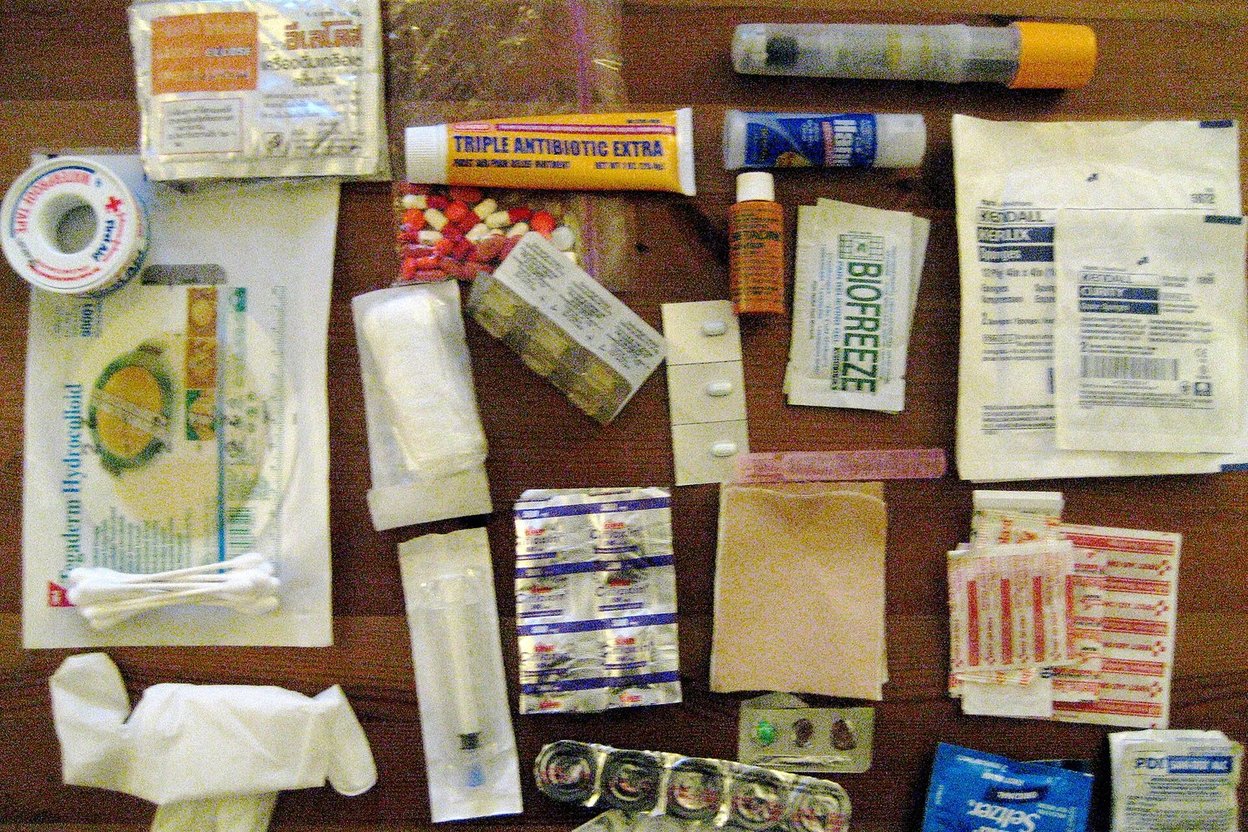
Photo: First aid kit for tropical country - unpacked by Mat Honan from San Francisco, CA, USA, CC BY 2.0.
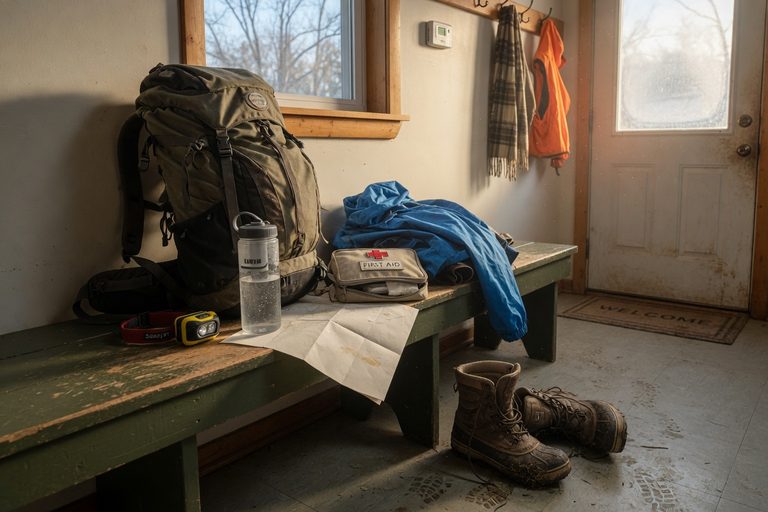
A bug-out bag is what you grab when you have to leave in minutes. What goes in it, what to leave out, and how to keep it light enough that you'll actually…
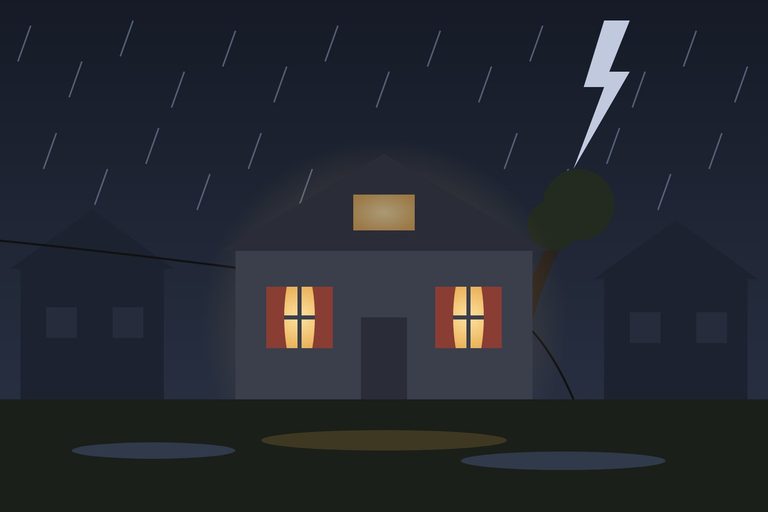
When a disaster hits your town, the safest place is usually your own home. Why the first three days are the most dangerous time to be out, and how to set up…
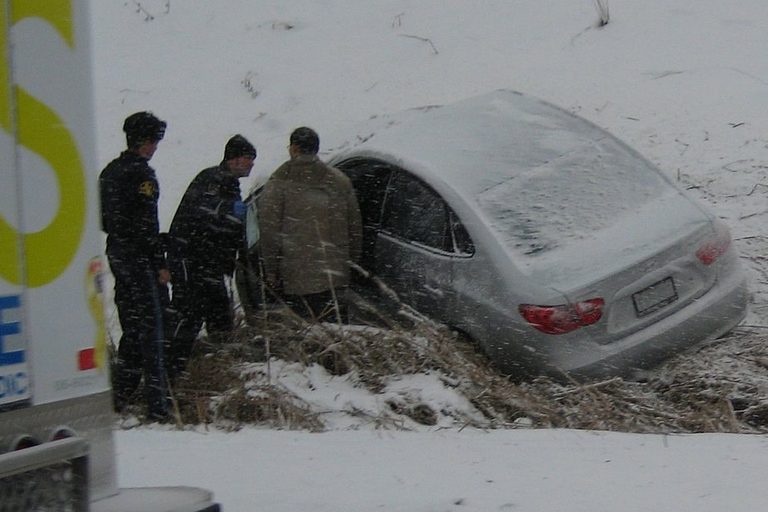
A Midwest winter can strand you on a highway for hours. What belongs in a winter car kit, why each item matters, and what to do if you get stuck.