Home Oxygen, CPAP and Other Medical Devices: Call Before the Storm
If someone in your home depends on a powered medical device, a power outage is a medical problem. Who to call before the storm, how long batteries last, and when to leave.
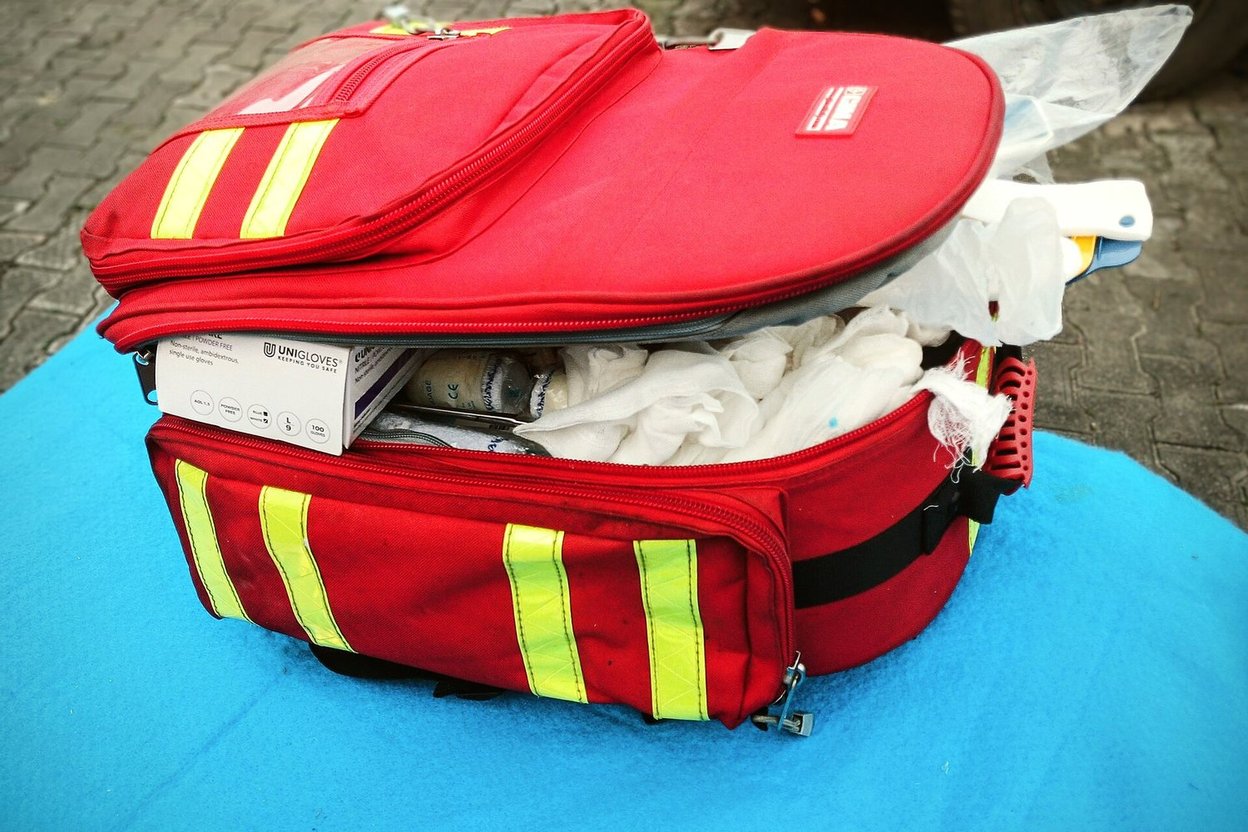
The little box of bandages under the sink won't cut it in a real emergency. What a real home first-aid kit holds, from bleeding control to medicines, and the training that matters more than the gear.
Most homes have a first-aid kit: a small box of adhesive bandages and some antibiotic ointment. That's fine for scraped knees. It's not enough when someone cuts their hand badly with a saw, falls on the ice, or gets hurt when roads are closed and an ambulance is slow to arrive.
A real home kit doesn't have to be expensive. Here's what to put in it.
Serious bleeding is the injury that can kill someone before help arrives. Your kit should have:
Take a Stop the Bleed class. They're short, often free, and teach you how to use these tools. Training matters more than gear.
Ask your doctor or pharmacist what's right for your family, and follow the labels.
Check dates every six months and replace anything expired.
The most useful thing you can add to your kit isn't in a box: it's knowing how to use it. Take a basic first-aid and CPR class through the American Red Cross or the American Heart Association, and a Stop the Bleed course.
A first-aid kit is for what you can handle until help arrives, or what doesn't need a doctor. For chest pain, trouble breathing, severe bleeding, head injuries, or anything that scares you, call 911.
A real first-aid kit sits in the closet for years, but on the day you need it, it's the most important thing in your house.
Photo: First Aid Kit for Immediate Emergency Response 01 by ABORISADEADETONA, CC0.
If someone in your home depends on a powered medical device, a power outage is a medical problem. Who to call before the storm, how long batteries last, and when to leave.
How long insulin is good out of the fridge, how to keep it cool in an outage without freezing it, and what to have ready before the storm. Talk to your pharmacist…
Most homes have tens of gallons of clean water sitting in the water heater. How to get it out safely when the tap goes dry or the town's water is contaminated.