Falling trees in Midwest storms: how to stay safe at home and in the car
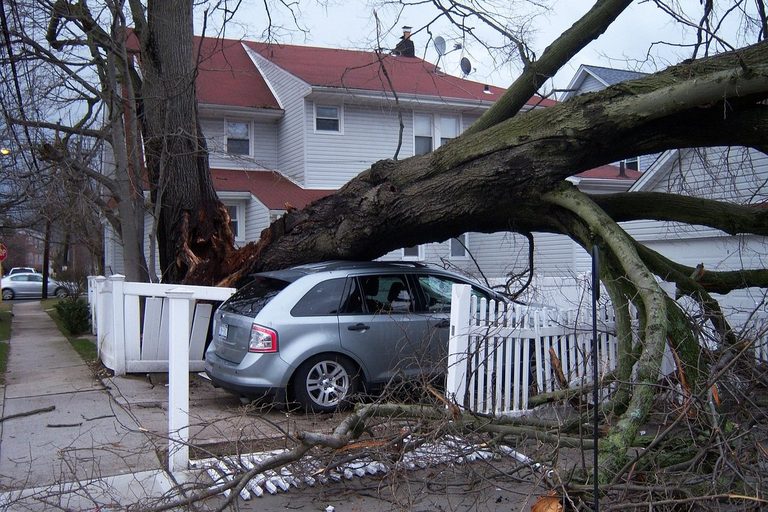
Where to shelter at home, in a car, and outdoors when a severe storm drops trees, plus what to do with power lines and insurance claims afterward.
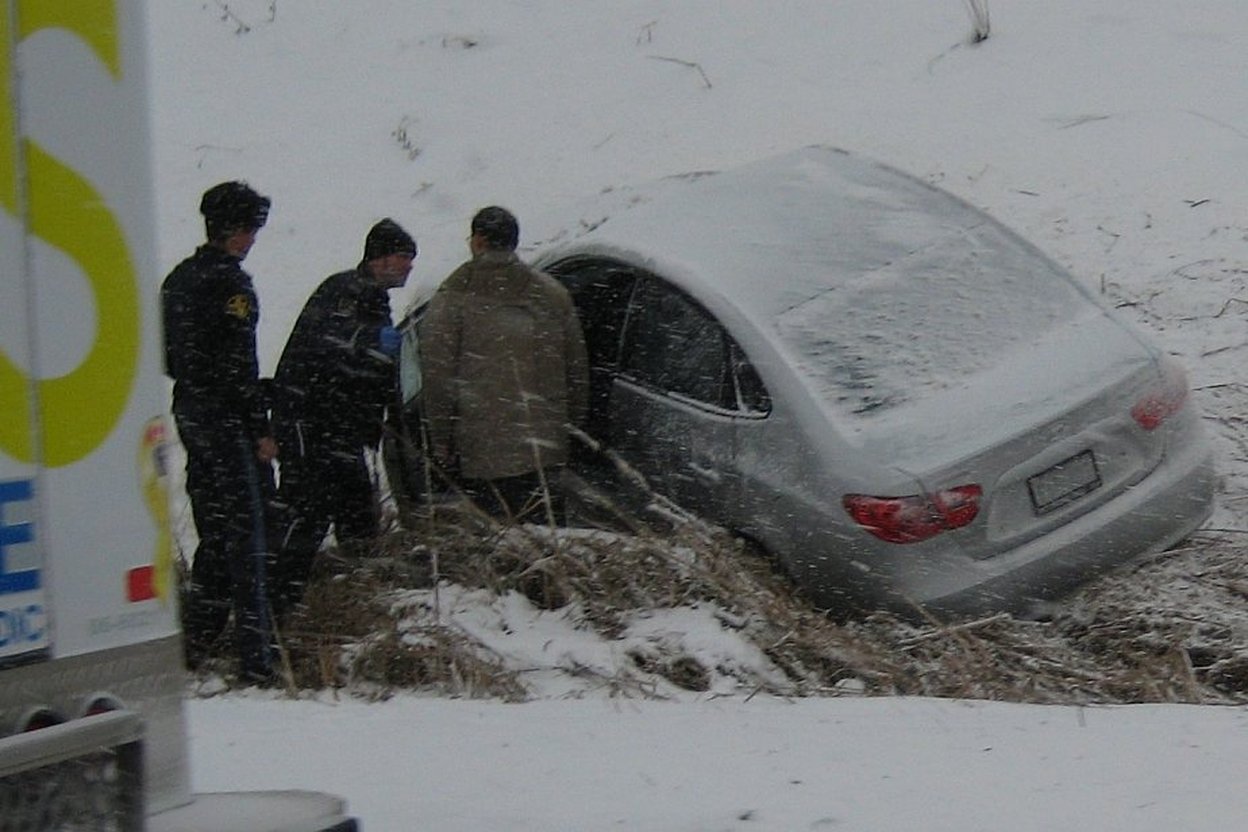
A Midwest winter can strand you on a highway for hours. What belongs in a winter car kit, why each item matters, and what to do if you get stuck.
Every winter in the Midwest, people get stuck: a whiteout on the interstate, a slide into a ditch on a county road, a pileup that closes the highway for hours. The ones who come through it fine are the ones who had a kit in the trunk. Put yours together now, before the first storm.
Keep it at least half full all winter. A full tank keeps fuel lines from freezing and gives you heat if you're stranded.
Check the forecast and road conditions, tell someone your route and when you expect to arrive, and don't push through a storm when you could wait it out.
A plastic bin of gear in the trunk is cheap. A night in a ditch without it is dangerous. Pair this with your home plan: see why it's often best to stay home the first 72 hours.
Photo: Car into ditch bad winter weather hwy 404 south near stouffville rd Jan08 by Theonlysilentbob, CC BY-SA 3.0.
Where to shelter at home, in a car, and outdoors when a severe storm drops trees, plus what to do with power lines and insurance claims afterward.
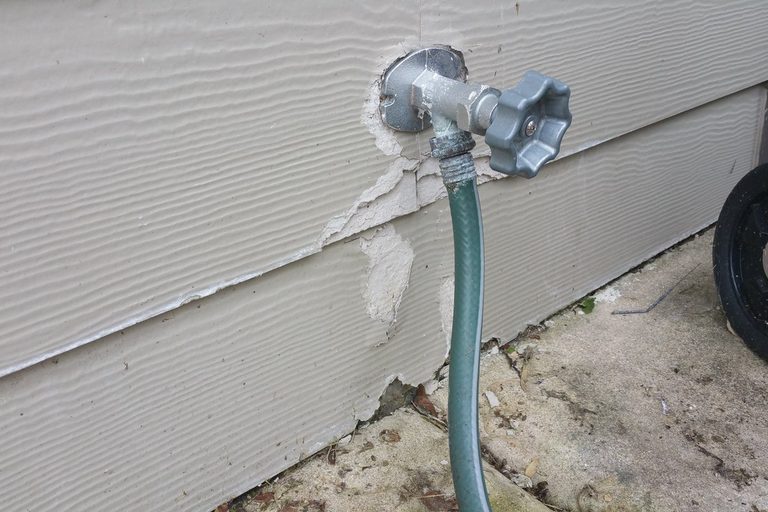
An outside faucet left connected to a hose is one of the most common frozen-pipe leaks. How to shut off and drain outdoor faucets, when a cover helps, and how to check…
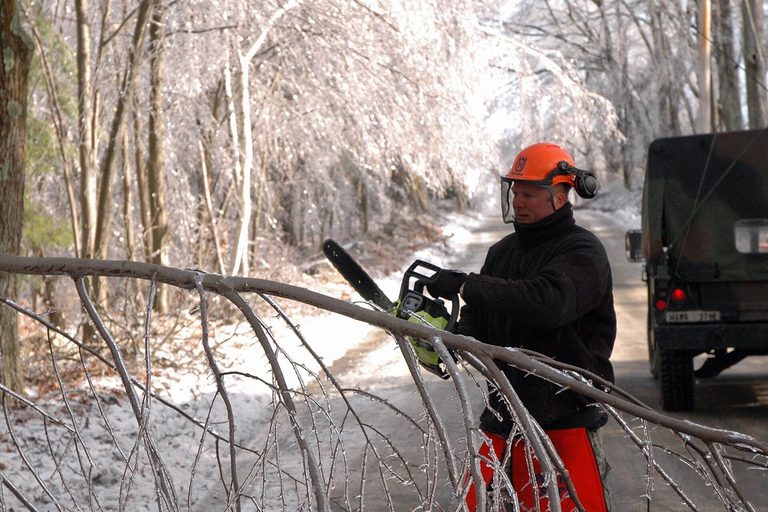
Ice storms bring down trees and power lines across whole regions, and outages can last days. How to prepare the house, the yard and the family before freezing rain, and what to…