Sanitation and Hygiene When the Water Is Off
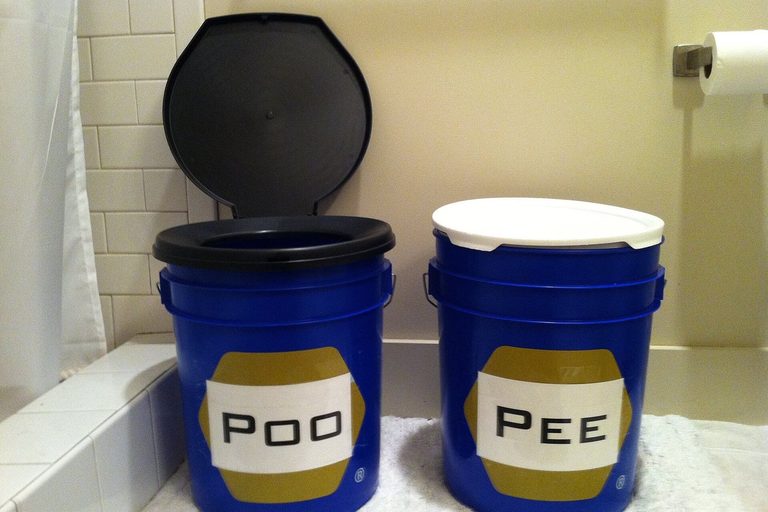
How to set up a bucket toilet, mix bleach correctly for each job, wash hands with a jug of water, and handle trash when the taps go dry.
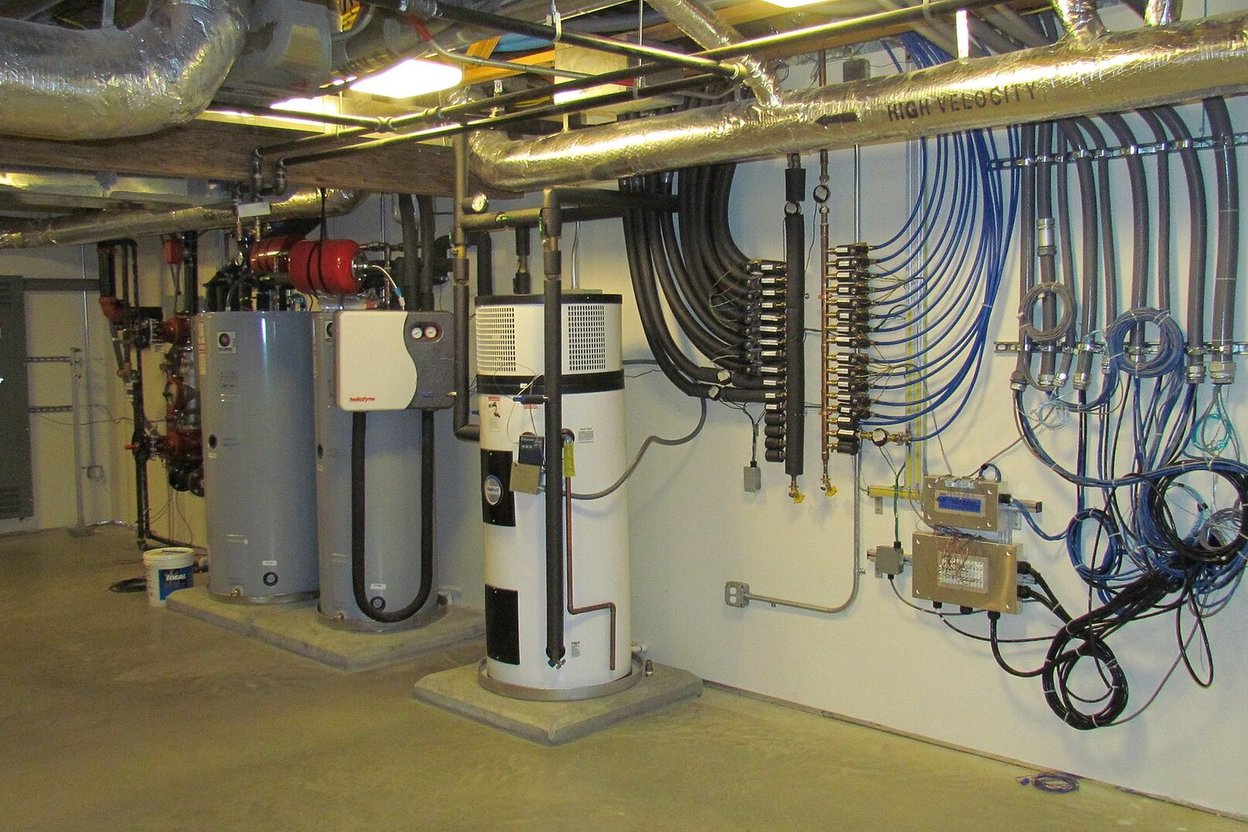
Most homes have tens of gallons of clean water sitting in the water heater. How to get it out safely when the tap goes dry or the town's water is contaminated.
If the water stops or your town issues a do-not-drink order, you might already have one of the biggest emergency water supplies in the neighborhood without knowing it. A typical tank water heater holds roughly 30 to 80 gallons. That's days or weeks of drinking water for a family.
If the town's water may be contaminated, close the water heater's cold-water inlet valve right away (or shut off your main) so contaminated water doesn't flow into the tank and mix with the clean water.
The first water out may be cloudy or full of rust and sediment. That's normal; tank water heaters collect sediment at the bottom. Let it settle or filter it through a clean cloth or coffee filter. If you're unsure about the water, treat it. See water purification.
If your water heater hasn't been flushed in years, the drain valve might be clogged. Flushing the tank once a year is good maintenance anyway, and you'll know the valve works.
When the water comes back on and is safe:
Tankless heaters don't store water, so this doesn't apply. If you have one, store more water.
The water heater is a backup. A household should still store water: the usual guidance is at least one gallon per person per day for several days. See water storage: how much and how to rotate.
Knowing where your water heater's valves are takes five minutes. Go look today.
Photo: NZERTF Basement by National Institute of Standards and Technology, Public domain.
How to set up a bucket toilet, mix bleach correctly for each job, wash hands with a jug of water, and handle trash when the taps go dry.
No water pressure means no flush. How to flush with a bucket, when to stop flushing entirely, and the simple bucket-and-bag setup that keeps a house sanitary.
No power means no well pump, and no water. How much is left in the pressure tank and pipes, how to stretch it, and what it takes to run a well pump…