Insulin When the Fridge Is Off: An Outage Plan
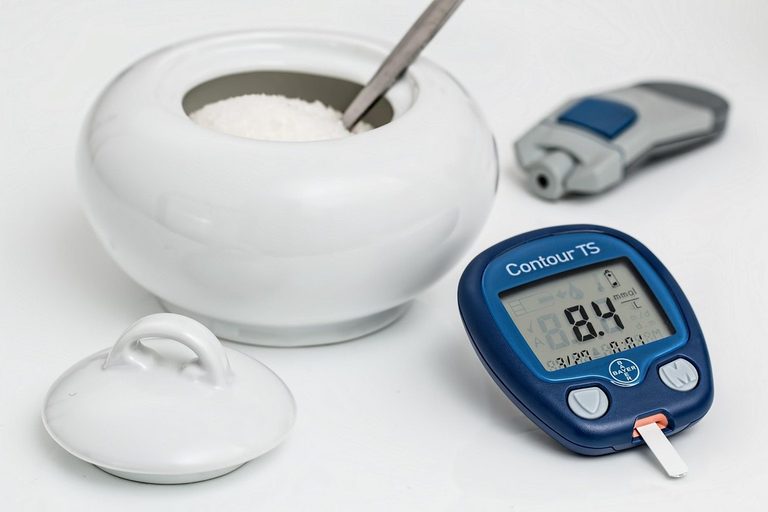
How long insulin is good out of the fridge, how to keep it cool in an outage without freezing it, and what to have ready before the storm. Talk to your pharmacist…
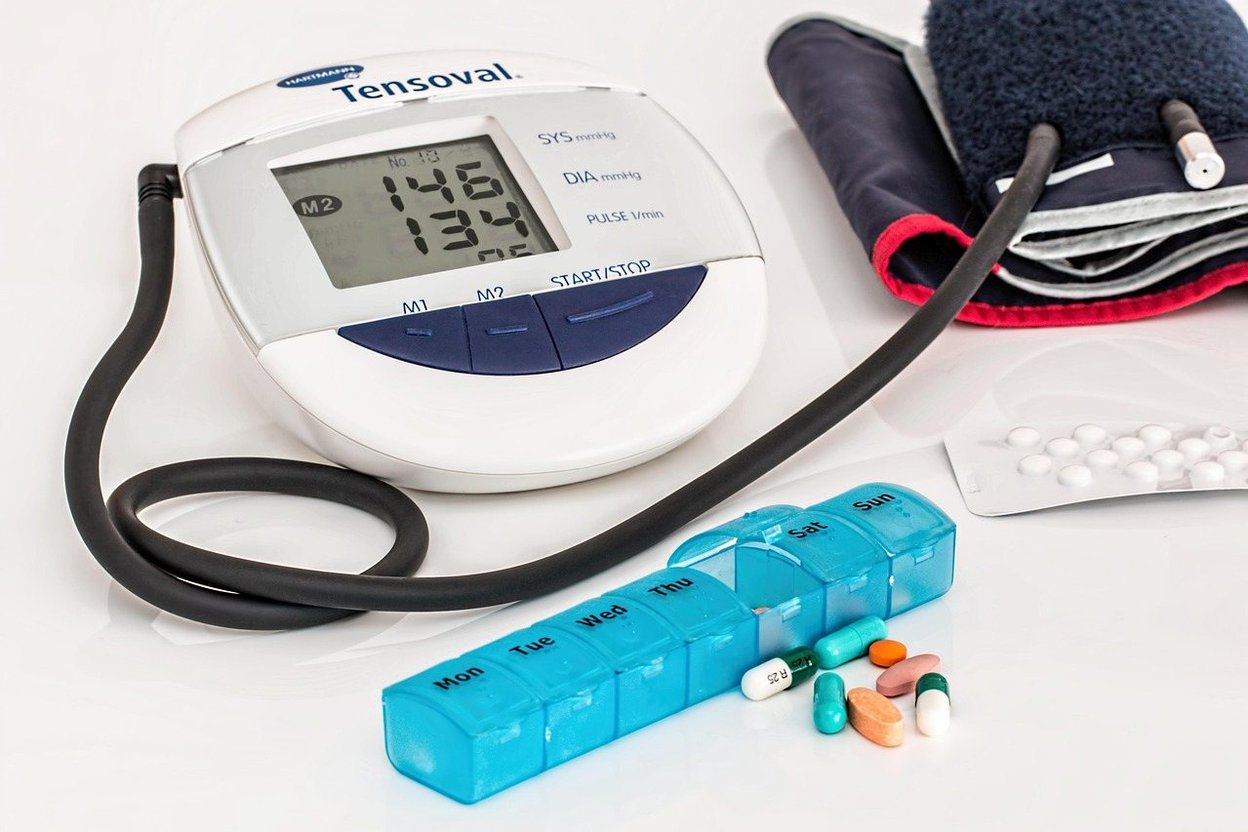
If someone in your home depends on a powered medical device, a power outage is a medical problem. Who to call before the storm, how long batteries last, and when to leave.
For most people, a power outage is an inconvenience. For someone on home oxygen, a CPAP, a powered wheelchair, a feeding pump or home dialysis, it's a medical problem. The plan has to start before the storm.
1. Your equipment supplier. Ask: - What do we do if the power is out for more than a few hours? - Do you provide backup oxygen tanks or batteries? - How long does the backup last at our settings? - Will you deliver during a storm?
2. Your electric utility. Many utilities have a medical needs or life-support registry. Being on it doesn't guarantee faster restoration, but it can mean a call before planned outages and a check-in during a long one. Ask about it.
3. Your doctor. Ask what to do if the device can't run. For some people, a few hours without a CPAP is uncomfortable. For others, losing oxygen is an emergency.
Decide ahead of time: if the power isn't back by a set time, or the backup gets down to a set level, you go. A relative's house with power, a hotel, a hospital, or a warming center. Don't wait for the last tank.
A neighbor who knows someone in your house is on oxygen can check in, share a generator, or drive you if needed. See family communication plan.
Keep a written sheet with the device, settings, supplier number and doctor's number where anyone can find it.
Photo by stevepb on Pixabay.
How long insulin is good out of the fridge, how to keep it cool in an outage without freezing it, and what to have ready before the storm. Talk to your pharmacist…
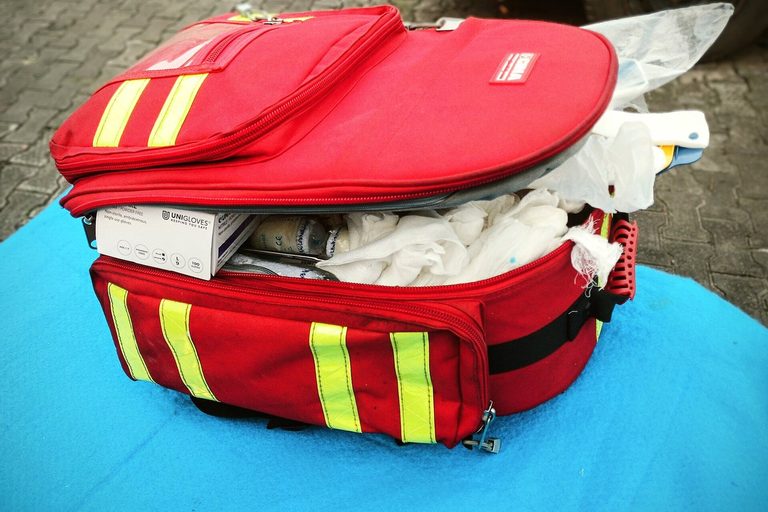
The little box of bandages under the sink won't cut it in a real emergency. What a real home first-aid kit holds, from bleeding control to medicines, and the training that matters…
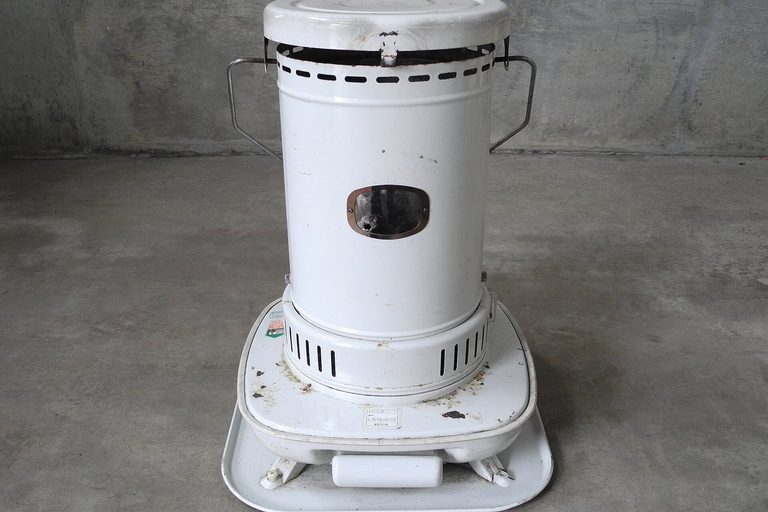
When a winter outage knocks out the furnace, the wrong heat source can kill you faster than the cold. The safe options, the deadly ones, and the carbon monoxide rules every household…