Sanitation and Hygiene When the Water Is Off
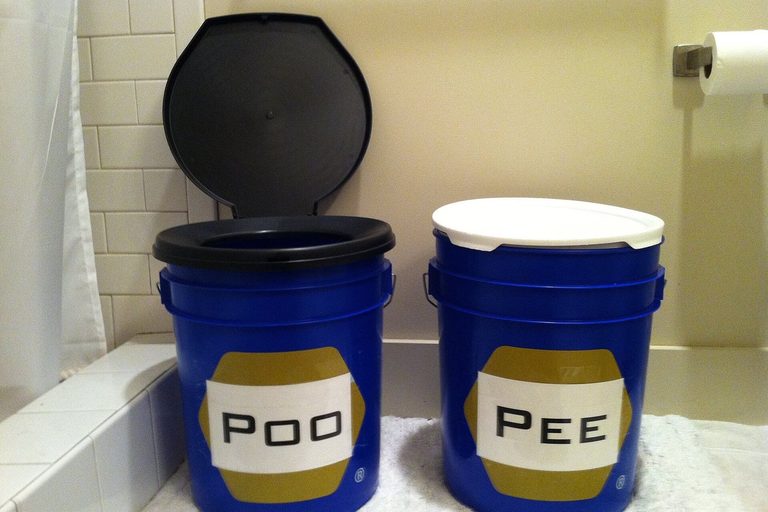
How to set up a bucket toilet, mix bleach correctly for each job, wash hands with a jug of water, and handle trash when the taps go dry.
When the tap water isn't safe, you have four ways to make it safe. What each one kills, the EPA's bleach measurements, how long to boil, and which to keep at home.
During a boil order, a flood, or a long outage that knocks out a town's water plant, you may need to make your own drinking water safe. Stored water is the first line of defense (see water storage: how much and how to rotate), but knowing how to treat water is the backup for when you run out.
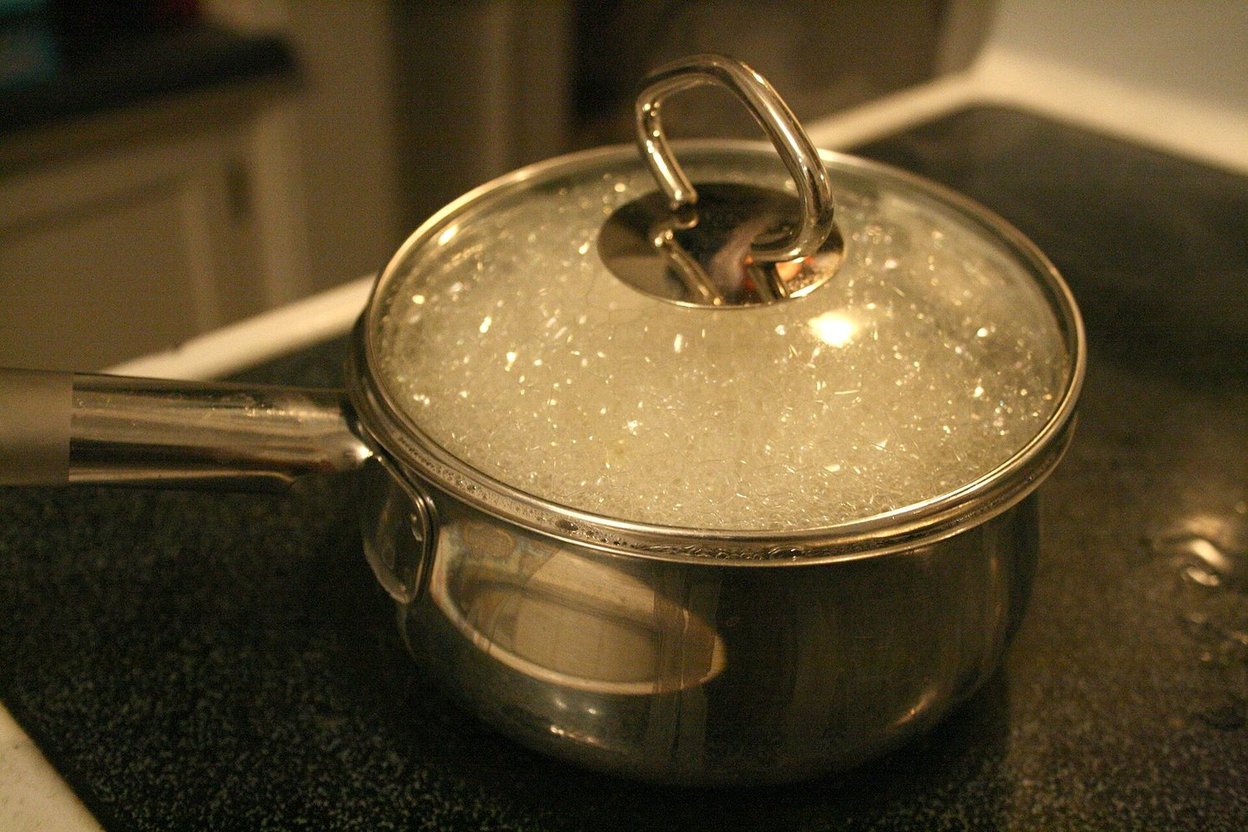
Boiling kills bacteria, viruses and parasites.
The downside: it takes fuel. In an outage, that means a camp stove used outdoors, a grill outdoors, or a wood stove. Never use outdoor cooking equipment inside.
Boiling doesn't remove chemicals, fuel or heavy metals. If you think your water is contaminated with chemicals (floodwater near a factory, for example), boiling won't make it safe.
Plain, unscented household bleach kills most bacteria and viruses. The EPA's emergency guidance:
Check the label for the strength, and only use bleach with no scent, no additives and no "splash-less" formula. Bleach loses strength over time, so rotate it.
Bleach is less effective against some parasites like Cryptosporidium. Boiling is better for those.
Portable water filters, gravity filters and filter bottles remove bacteria and parasites if their pores are small enough. Look for:
Follow the manufacturer's instructions for how much water the filter can treat before you replace it.
Water purification tablets, often chlorine dioxide or iodine, are light and easy to store. They're great for a bug-out bag or a car kit.
A good home setup:
Before you treat water from outside, use what's already in your house: your water heater tank, ice cubes, and the water in your pipes.
Never drink water from a radiator, a hot-water heating system, a waterbed, or a pool without serious treatment. Toilet tank water (not the bowl) is OK to treat if it hasn't had chemical cleaners added.
Photo: 2008-07-05 Water boiling in cooking pot by Ildar Sagdejev (Specious), CC BY-SA 4.0.
How to set up a bucket toilet, mix bleach correctly for each job, wash hands with a jug of water, and handle trash when the taps go dry.
No water pressure means no flush. How to flush with a bucket, when to stop flushing entirely, and the simple bucket-and-bag setup that keeps a house sanitary.
No power means no well pump, and no water. How much is left in the pressure tank and pipes, how to stretch it, and what it takes to run a well pump…