Sanitation and Hygiene When the Water Is Off
How to set up a bucket toilet, mix bleach correctly for each job, wash hands with a jug of water, and handle trash when the taps go dry.
No water pressure means no flush. How to flush with a bucket, when to stop flushing entirely, and the simple bucket-and-bag setup that keeps a house sanitary.
Nobody preps for this part, but it's the first thing that gets ugly in a long outage with no water.
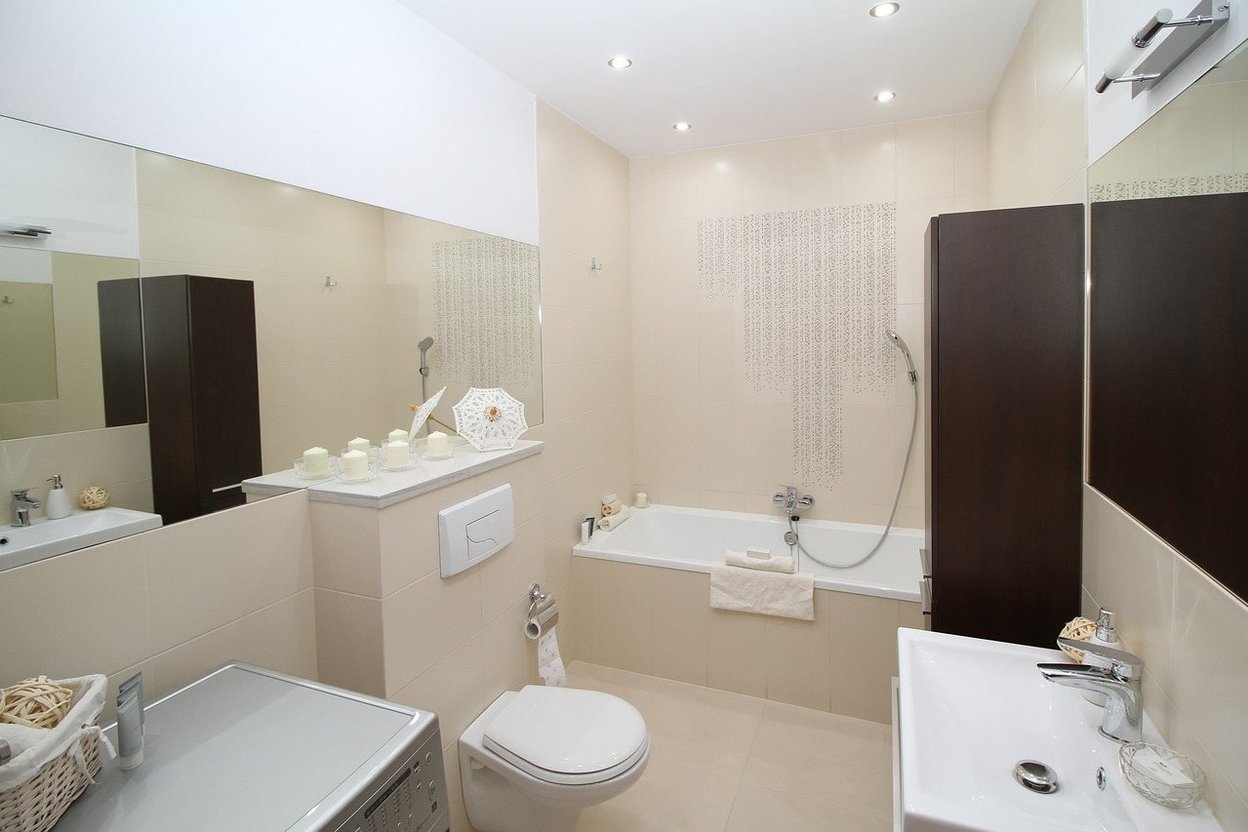
If your sewer or septic system is working but you have no water pressure (a well with no power, or a water main break), you can still flush:
That's it. Don't use drinking water for this unless you have plenty.
Older toilets can use 3 gallons or more per flush. Newer ones use around 1.3 to 1.6 gallons. Either way, it adds up fast. "If it's yellow, let it mellow" is a real rule in an outage.
Stop flushing if:
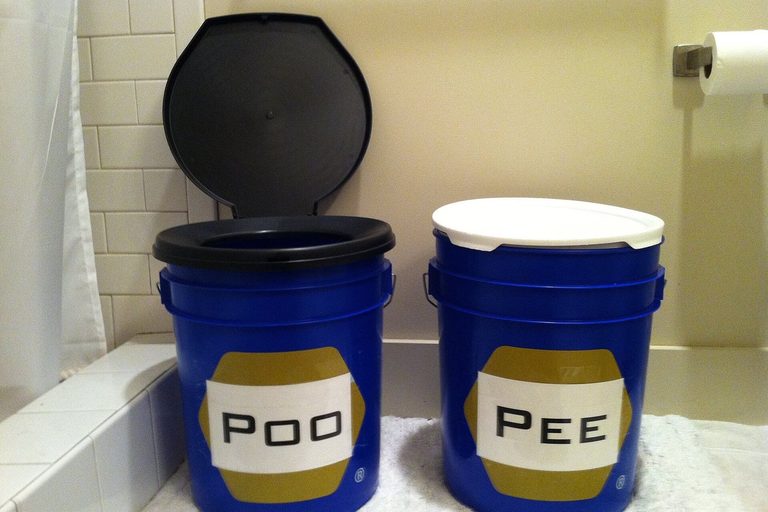
Then you need a backup toilet.
A bucket, a seat lid, a box of bags, a bag of litter, and toilet paper in one tote in the basement. It costs less than $50 and saves a lot of misery. See the 72-hour kit checklist.
If you're on a well, see well pump and no power.
Photo by jarmoluk on Pixabay.
How to set up a bucket toilet, mix bleach correctly for each job, wash hands with a jug of water, and handle trash when the taps go dry.
No power means no well pump, and no water. How much is left in the pressure tank and pipes, how to stretch it, and what it takes to run a well pump…
Most homes have tens of gallons of clean water sitting in the water heater. How to get it out safely when the tap goes dry or the town's water is contaminated.