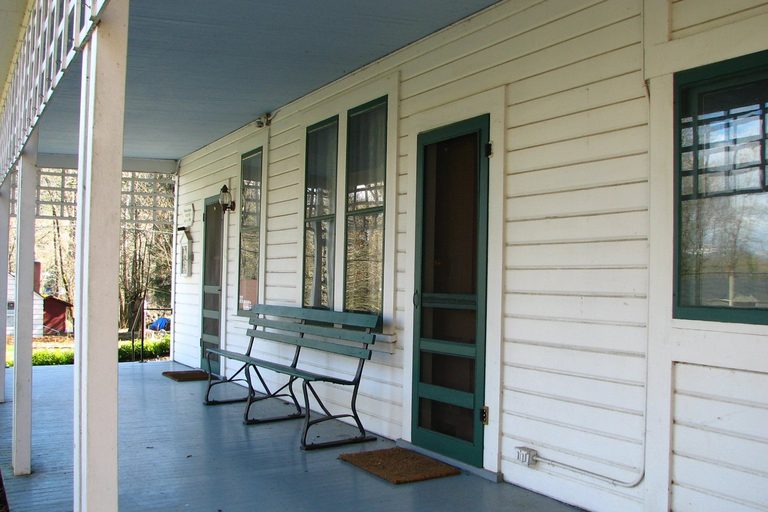
The covered porch is still inside for carbon monoxide
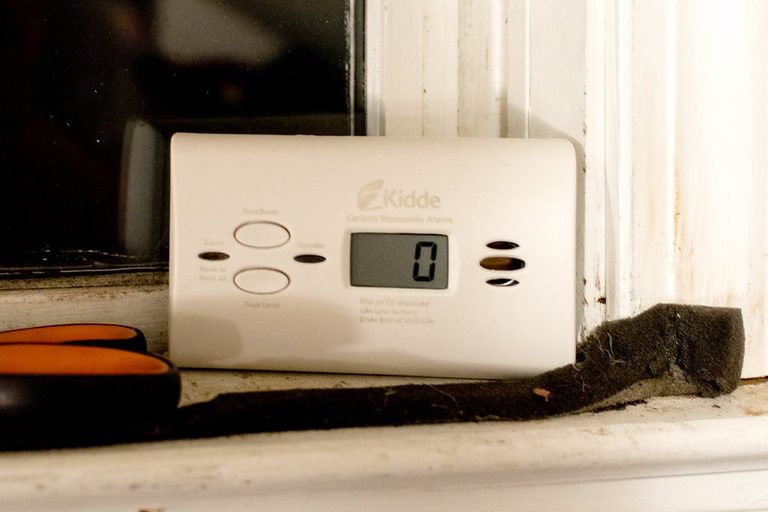
A covered porch counts as indoors for carbon monoxide. Learn the 20-foot rule, safe generator placement, and how to set up CO alarms.
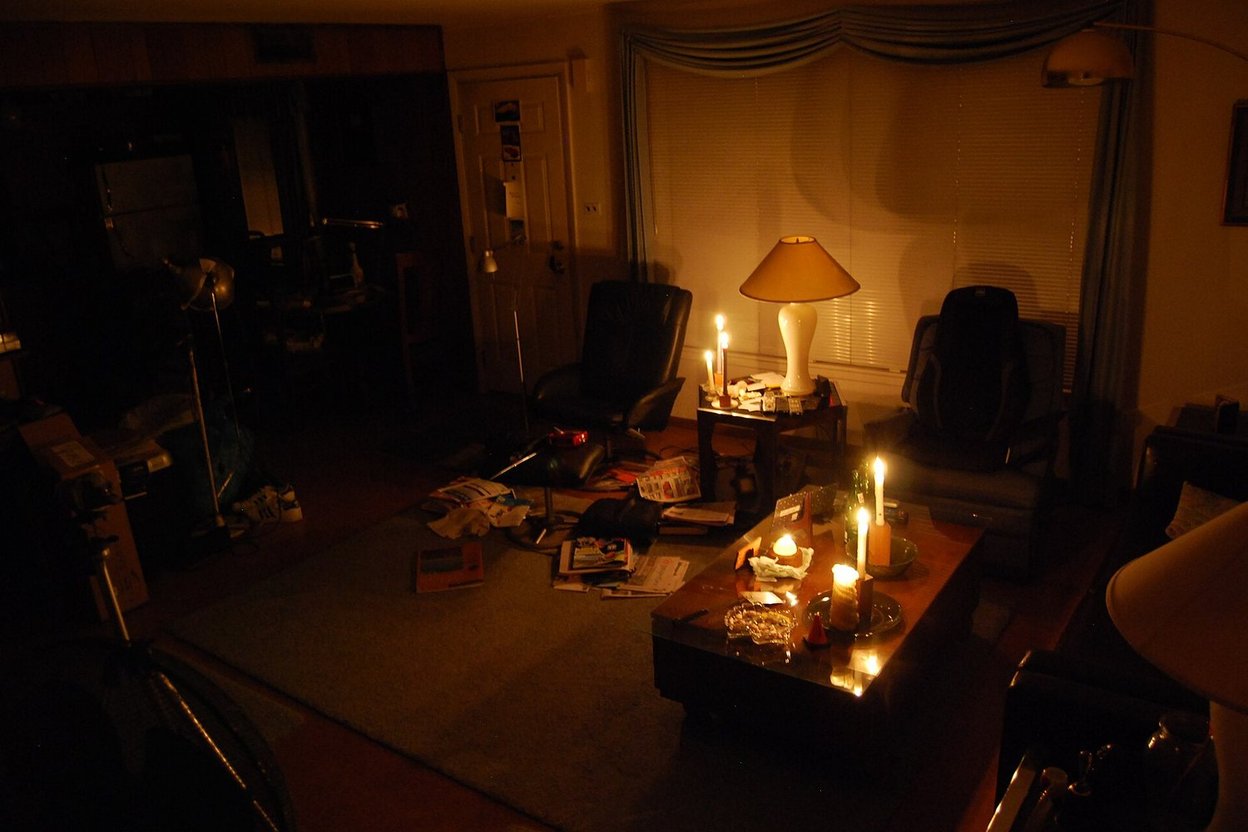
When the furnace is out, don't heat the house. Heat one room. How to pick it, seal it up, and keep a family warm for days with the heat you've got.
When the power goes out in a winter storm, trying to keep the whole house warm burns through whatever heat you have in hours. The trick old-timers and prepped families use is simple: give up on the house and heat one room.
The best room usually has:
On a two-story house, a room on the first floor is often better, since you're not fighting heat rising out of reach. A basement can stay warmer than the rest of the house because the ground insulates it, but only if it's dry and has a safe exit.
A tent set up in the warm room traps body heat even better. A camping tent with sleeping bags rated for the cold can keep a family surprisingly warm. Even a blanket fort over a table works for kids.
Any fuel-burning heater in a closed-up room raises carbon monoxide risk. Before you use one, read heating your home without power, safely:
While you're camped in one room, the rest of the house gets cold. Watch for:
Try it for an evening this fall: pick the room, hang the blankets, see what you're missing. It's a lot easier to figure it out on a calm October night than on the second night of an ice storm.
When the house can't be kept safe, it's time to go to a warming center or somewhere with power. Plan for that, too. See how long Midwest power outages really last.
Photo: The Blizzard 33-hour ComEd outage (5413692334).jpg) by artistmac, CC BY-SA 2.0.
A covered porch counts as indoors for carbon monoxide. Learn the 20-foot rule, safe generator placement, and how to set up CO alarms.
Check that every floor and sleeping area has a battery-backup CO alarm, placed and tested, before the first winter power outage.
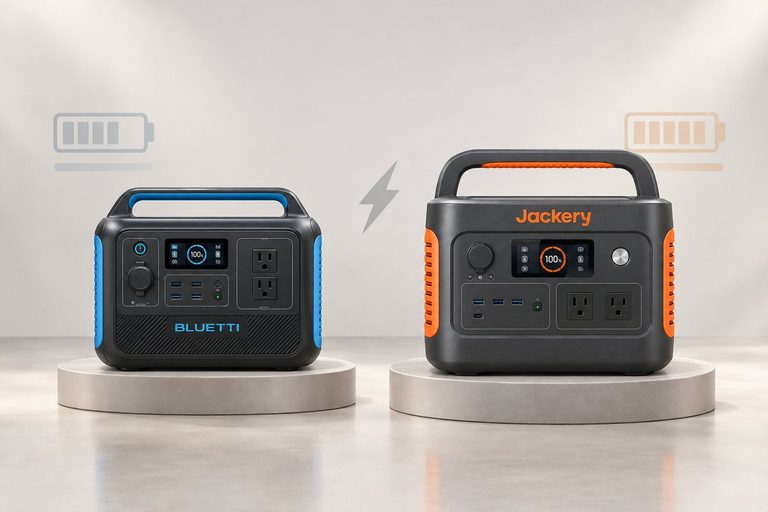
Bluetti Elite 100 vs. Jackery Explorer 1000 compared on runtime, solar charging, and price, with a clear pick for keeping a home running through an outage.