The covered porch is still inside for carbon monoxide
A covered porch counts as indoors for carbon monoxide. Learn the 20-foot rule, safe generator placement, and how to set up CO alarms.
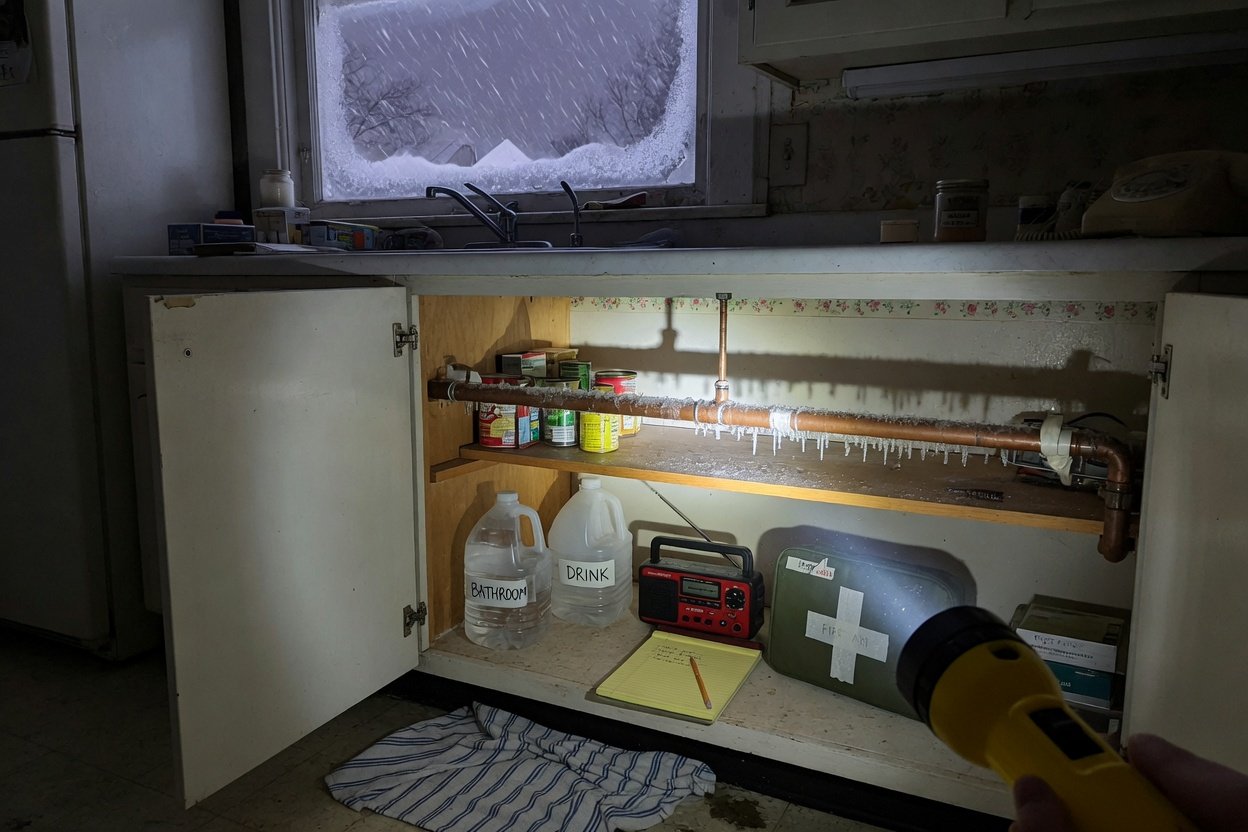
A long winter outage can freeze and burst pipes, and the damage shows up when the power comes back. How to keep pipes from freezing, how to drain the house if you have to, and how to thaw a frozen pipe safely.
In a winter outage, frozen pipes are one of the most expensive problems you can have. A pipe freezes, the ice expands, the pipe splits, and nothing happens until it thaws. Then water pours into your walls, floors and basement, often while you're not home. Here's how to prevent it.
If the house is losing heat:
These buy time. In a very cold, very long outage, they're not enough.
If the house is going to drop below freezing and stay there, or you're leaving, draining the plumbing protects it:
If you have a boiler or a hot-water heating system, it's a more complicated job. Call a plumber if you can.
Before you drain the water heater, think about using that water: a water heater holds tens of gallons of drinkable water. See your water heater is an emergency water tank.
If water stops coming out of a faucet or only trickles:
Check every pipe, especially the ones in the cold spots, as the house warms up. Look and listen for leaks. If a pipe burst, shut off the main water right away.
Don't forget the sump pump: a thaw after a winter storm can bring water in, and the pump doesn't run without power. See keeping the sump pump running in an outage.
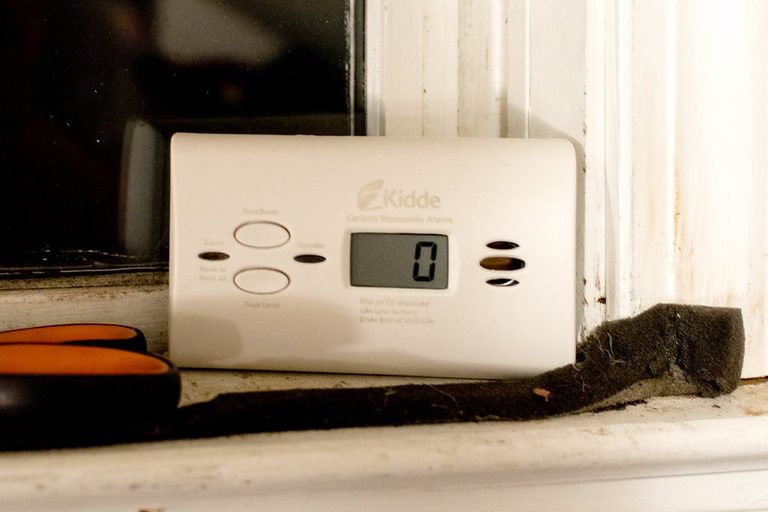
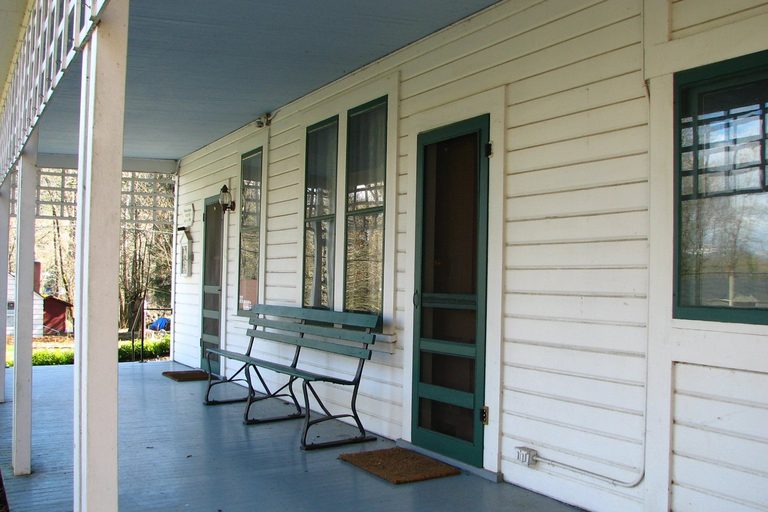
A covered porch counts as indoors for carbon monoxide. Learn the 20-foot rule, safe generator placement, and how to set up CO alarms.
Check that every floor and sleeping area has a battery-backup CO alarm, placed and tested, before the first winter power outage.
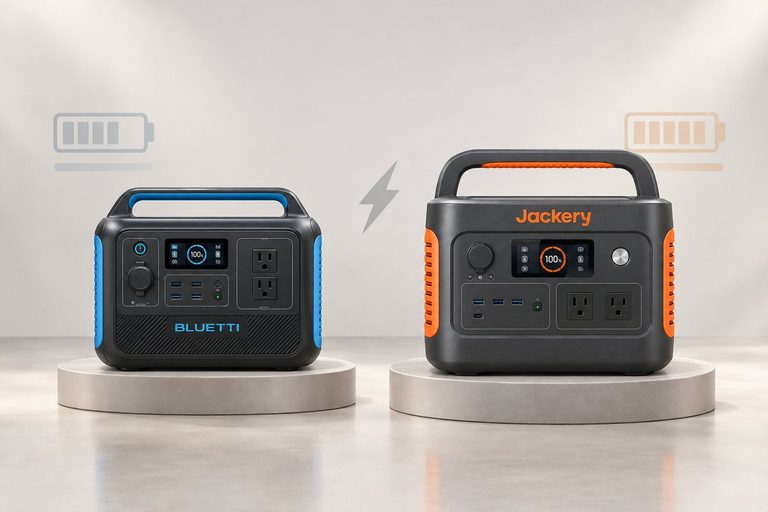
Bluetti Elite 100 vs. Jackery Explorer 1000 compared on runtime, solar charging, and price, with a clear pick for keeping a home running through an outage.