The covered porch is still inside for carbon monoxide
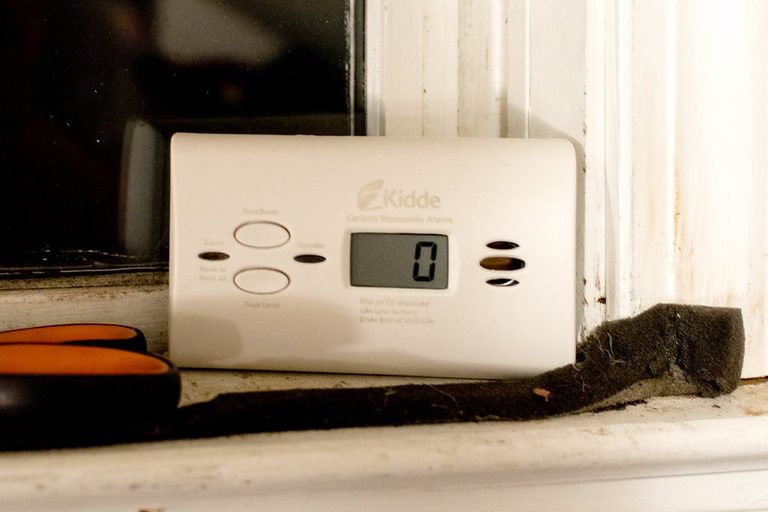
A covered porch counts as indoors for carbon monoxide. Learn the 20-foot rule, safe generator placement, and how to set up CO alarms.
A generator that sat all summer with fuel in it may not start when you need it. A 30-minute October check: fuel, oil, spark plug, a test run under load, and the cords.
The generator that ran fine last winter has been sitting in the shed since March. If there's gas in it, that gas is probably going stale. The time to find out is a sunny Saturday in October, not the first night of an ice storm.
Gasoline breaks down over time, especially gas blended with ethanol. Left in a carburetor for months, it can leave gummy deposits that clog the tiny passages. The result: a generator that won't start or surges and dies.
1. Fuel - If the tank has old gas in it with no stabilizer, drain it (follow your manual) and dispose of it properly. Many auto parts stores or household hazardous waste sites take it. - Fill with fresh gas plus fuel stabilizer. Some people use ethanol-free gas for small engines if they can find it.
2. Oil - Check the level and condition. Change it if it's dark or it's been a season. - Many generators have a low-oil shutoff, so low oil means no start.
3. Spark plug - Pull it, look at it, replace it if it's fouled or worn. Keep a spare in the generator box.
4. Air filter - Clean or replace it.
5. Start it and run it under load - Run it for 20 to 30 minutes with something plugged in, like a work light or a space heater on low. Running it with no load doesn't tell you much. - Outside, 20 feet from the house. See where the generator goes.
6. Cords and connections - Check your extension cords for cuts and burned plugs. - If you have a transfer switch or interlock, test it. See transfer switch vs. interlock kit.
After the test, either run it dry or keep the stabilized fuel in it, depending on what your manual recommends. Then run it once a month through the winter.
Store gas in approved cans, away from the house, and rotate it.
Same Saturday: test the CO alarms and put the hose bib covers on.
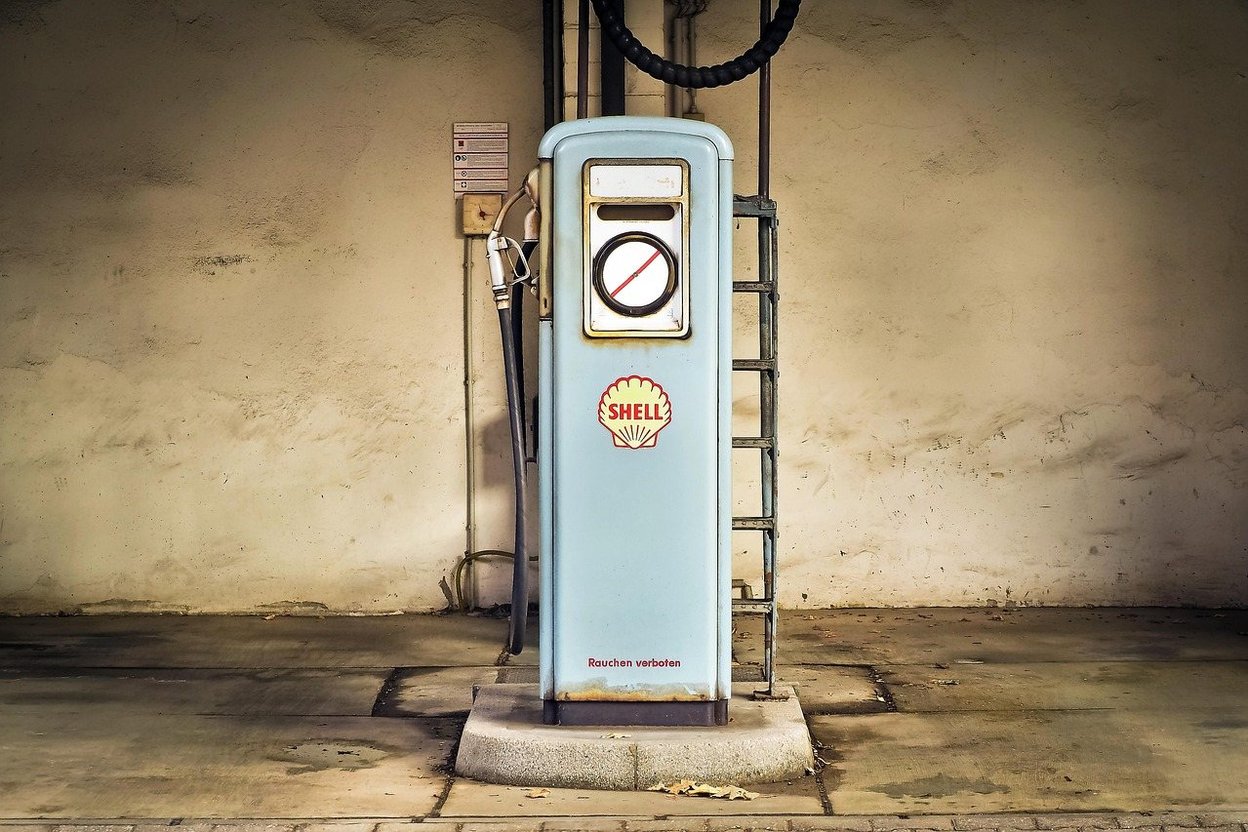
Photo by 652234 on Pixabay.
A covered porch counts as indoors for carbon monoxide. Learn the 20-foot rule, safe generator placement, and how to set up CO alarms.
Check that every floor and sleeping area has a battery-backup CO alarm, placed and tested, before the first winter power outage.
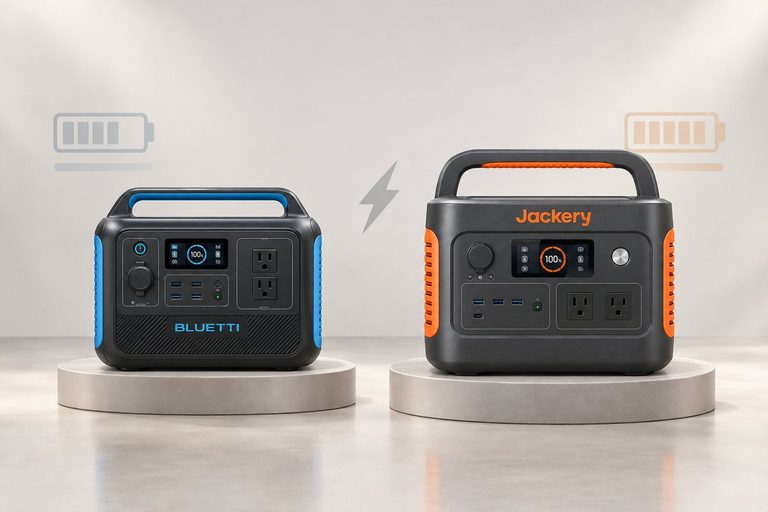
Bluetti Elite 100 vs. Jackery Explorer 1000 compared on runtime, solar charging, and price, with a clear pick for keeping a home running through an outage.