Bug-Out Bag Checklist
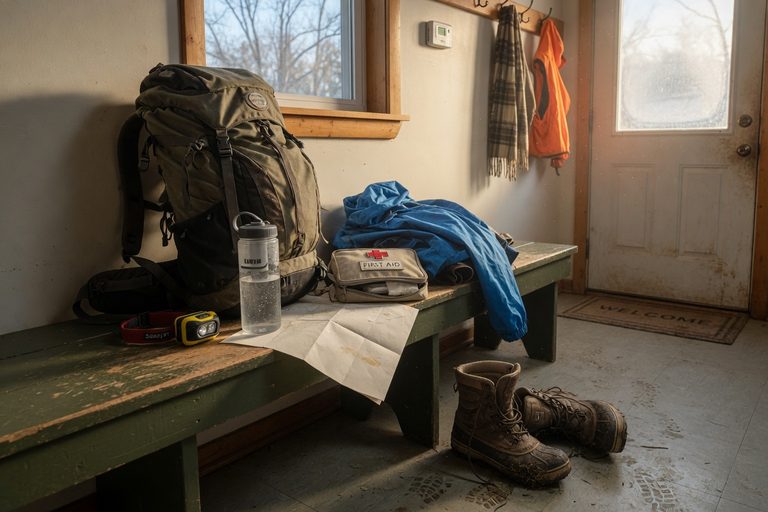
A bug-out bag is what you grab when you have to leave in minutes. What goes in it, what to leave out, and how to keep it light enough that you'll actually…
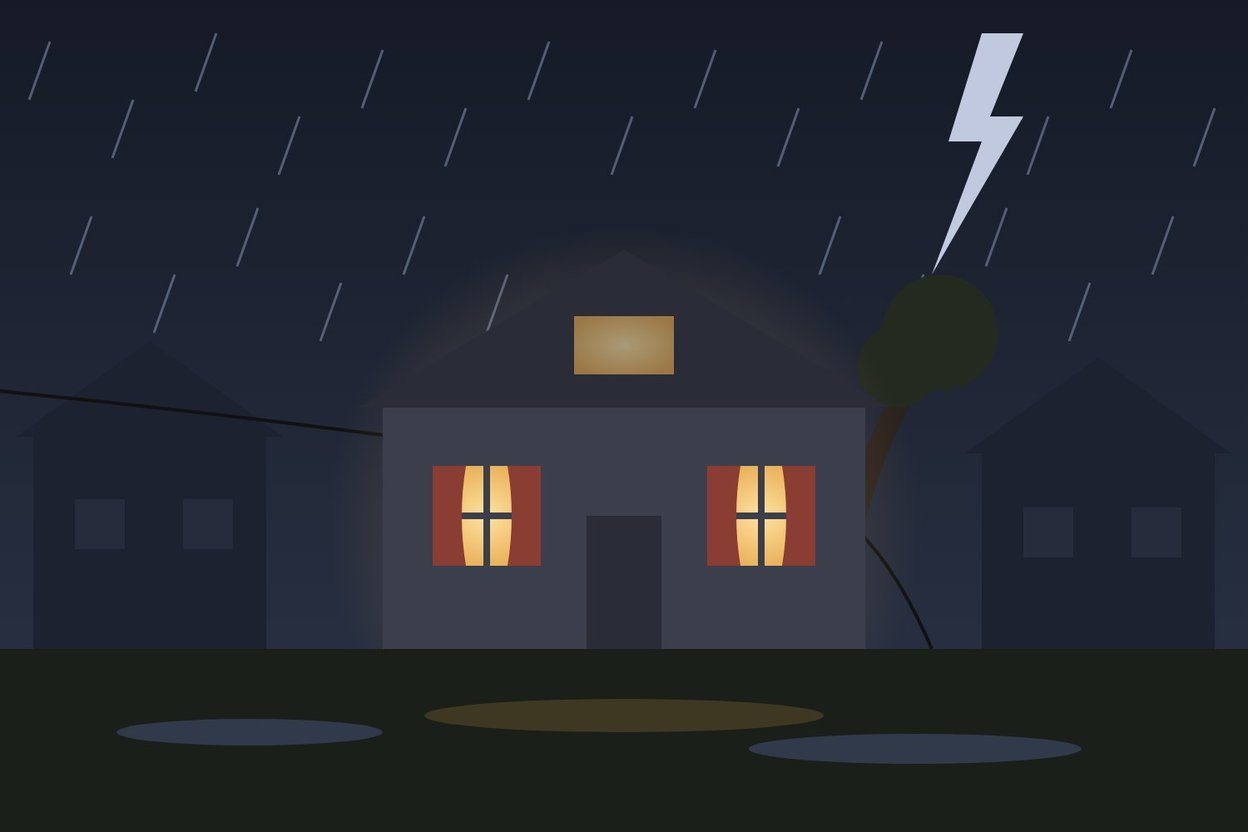
When a disaster hits your town, the safest place is usually your own home. Why the first three days are the most dangerous time to be out, and how to set up your house so you don't have to go anywhere.
When something big happens in your town, a storm that takes out power and roads, a chemical spill, a riot downtown, a long blackout, the instinct is to go out. Get gas. Get food. Go check on things. Most of the time, that's the wrong move.
For most families, the safest plan for the first few days is to stay home, stay quiet and let the chaos settle. Preppers call it bugging in. It's less exciting than a bug-out bag and a run for the woods, and it's the right call far more often.
The first 72 hours after a disaster are when things are most confused:
After a few days, things usually start to stabilize. Utility crews and road crews make progress, supplies start moving, and aid arrives. Federal preparedness guidance for households has long been built around having supplies for at least several days on hand for exactly this reason.
Stay home if:
Leave if:
Bugging in isn't stubbornness. It's a decision you make on the facts.
The point of preparing is so that staying home is easy. For at least three days, and better a week:
A house with a generator roaring and every light on is the only bright spot on a dark block. In a short outage that's fine. In a longer, uglier situation, it's attention you don't want. Run the generator in daylight when you can, keep the curtains closed at night, and don't advertise what you have. This is the idea behind the grey man approach.
Being the quiet, ready house on the block also lets you help your neighbors on your own terms, which builds the kind of block that gets through a disaster together.
Unless your home is unsafe or you're told to leave, stay put for the first 72 hours, keep your family fed, warm and informed, and let the worst of the chaos pass you by.
A bug-out bag is what you grab when you have to leave in minutes. What goes in it, what to leave out, and how to keep it light enough that you'll actually…
A practical 72-hour emergency kit for a Midwest household, built around the storms, blizzards and outages we actually get. What to pack, where to keep it, and how to keep it fresh.
The 4-hour fridge rule, the 48-hour full freezer, and the 40-degree line. What to keep, what to toss, and how to make your cold food last longer in an outage.