The covered porch is still inside for carbon monoxide
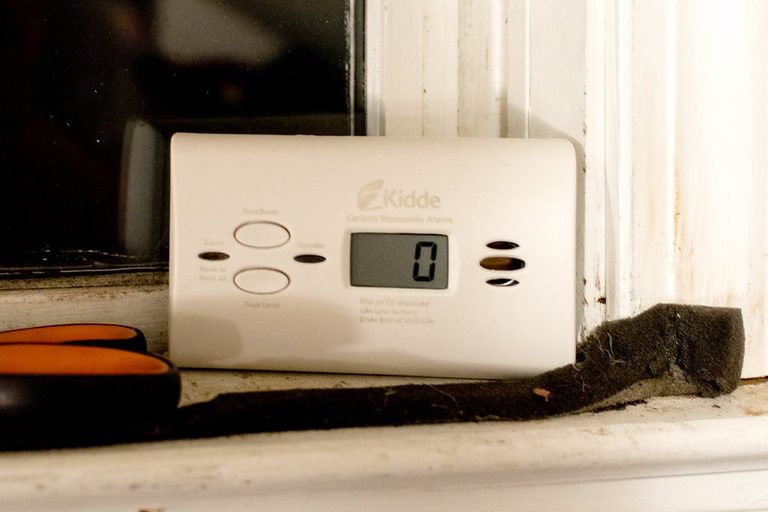
A covered porch counts as indoors for carbon monoxide. Learn the 20-foot rule, safe generator placement, and how to set up CO alarms.
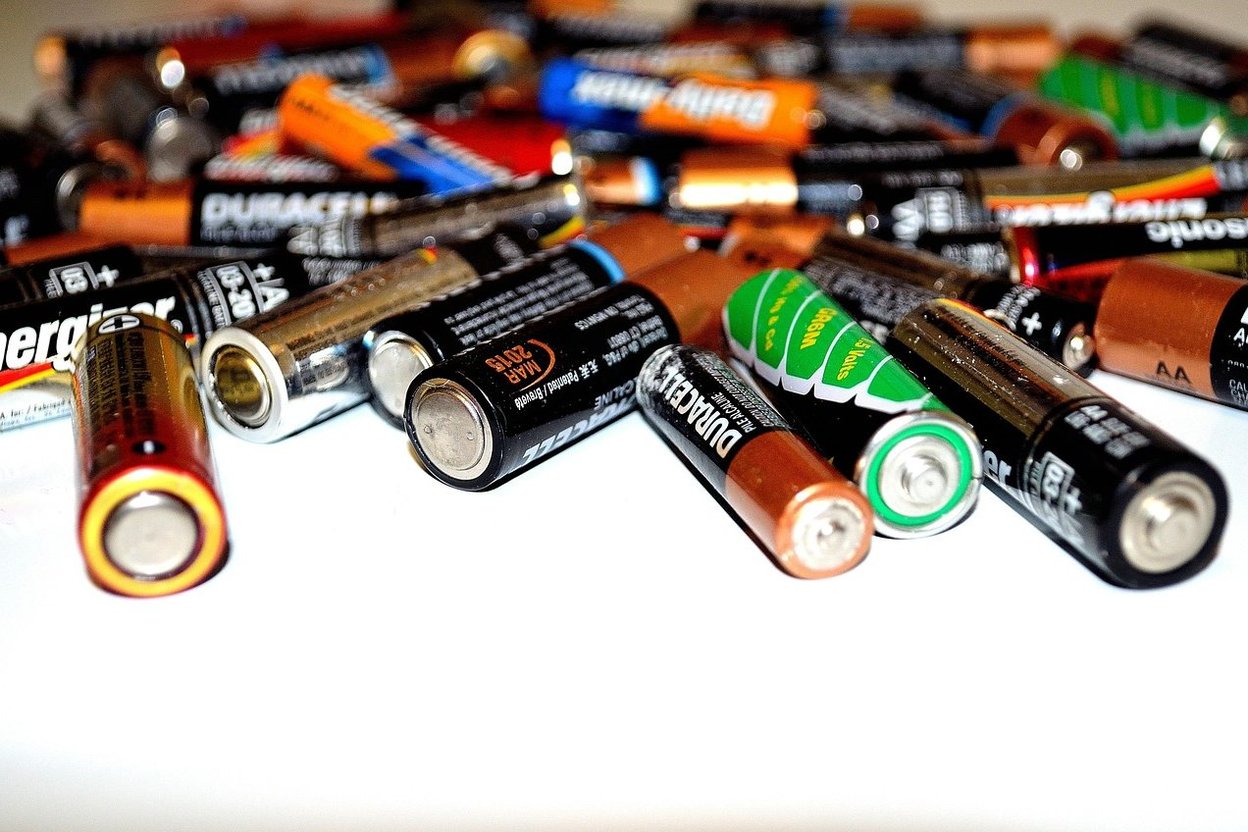
Dead batteries in a dark house are a classic outage mistake. Alkaline vs. lithium vs. rechargeable, how long each lasts on the shelf, how to store them safely, and how many to keep.
Every outage, someone digs out the flashlight and finds dead batteries, or batteries that leaked and ruined the flashlight. A little planning fixes this for good.
The simplest trick: buy lights, radios and devices that use the same battery sizes. Most households can run everything on AA and AAA. Then you only stock two sizes, and batteries can move between devices.
Check what your smoke alarms, thermometers and car key fobs need, and keep a few spares.
For a family, a reasonable starting point:
For longer outages, a portable power station recharges phones, lights and small devices, and runs a CPAP or fridge for a while. Store lithium power stations and battery packs safely and check for recalls. See battery pack recalls and storing lithium safely.
Many areas have battery recycling drop-offs. Lithium and rechargeable batteries shouldn't go in household trash.
Pair your batteries with the right lights. See candles vs. lanterns vs. headlamps.
Photo by PublicDomainPictures on Pixabay.
A covered porch counts as indoors for carbon monoxide. Learn the 20-foot rule, safe generator placement, and how to set up CO alarms.
Check that every floor and sleeping area has a battery-backup CO alarm, placed and tested, before the first winter power outage.
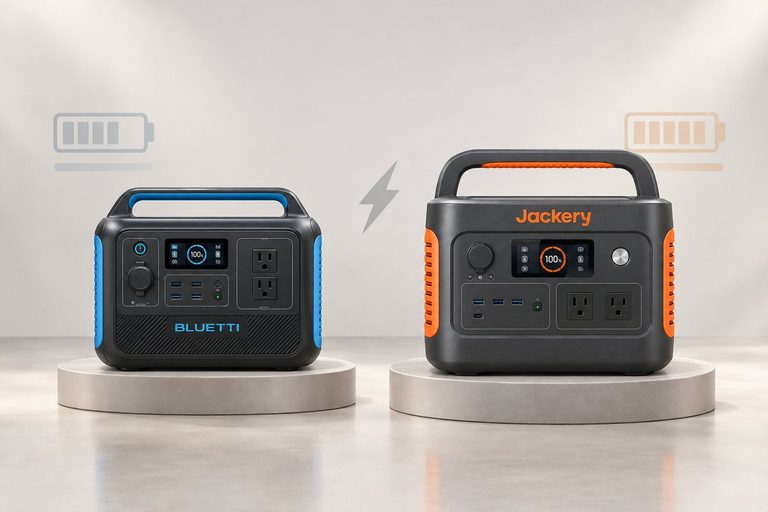
Bluetti Elite 100 vs. Jackery Explorer 1000 compared on runtime, solar charging, and price, with a clear pick for keeping a home running through an outage.