The covered porch is still inside for carbon monoxide
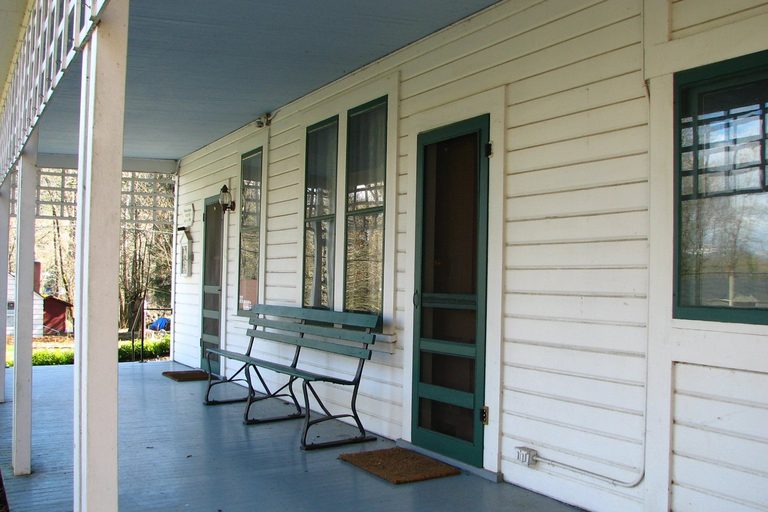
A covered porch counts as indoors for carbon monoxide. Learn the 20-foot rule, safe generator placement, and how to set up CO alarms.
The August 11 derecho left NIPSCO customers in northwest Indiana dark for up to two weeks. What the hearing showed, and how long a Midwest family should plan to go without power.
Most people plan for a power outage that lasts an evening. Candles come out, the kids think it's fun, the lights come back on before bed. That's the outage everyone remembers. The one that matters is the one this August in northwest Indiana, where some families went two weeks without power in the middle of summer.
On Tuesday, September 29, NIPSCO's president sat in front of Indiana lawmakers and answered for it. What came out of that hearing is a good lesson for every household in the Midwest.
A derecho, a long line of violent, fast-moving thunderstorms, tore across northern Indiana on the morning of August 11. Reports put the number of NIPSCO customers who lost power at roughly 375,000 at the peak. The state's consumer counselor put it at "almost 400,000," and Indiana Public Broadcasting reported 387,010. NIPSCO serves about half a million electric customers, so most of its territory went dark at once.
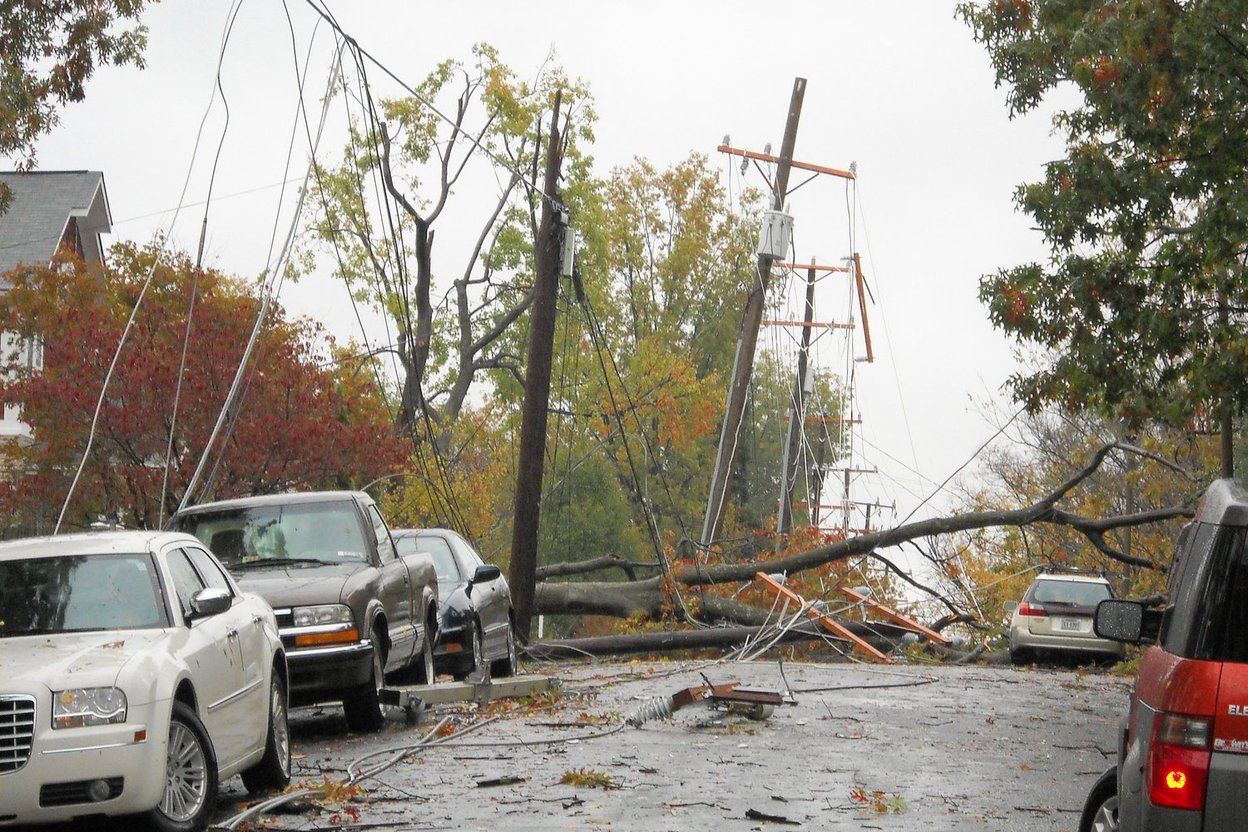
The damage was enormous: thousands of trees down, well over a thousand distribution poles broken, and in Portage alone more than 160 roads blocked right after the storm.
At the hearing, NIPSCO President Vince Parisi said the first forecast signal of 100-mph winds came only 11 minutes before the storm crossed into the utility's territory. Most customers had power back within days. Some waited more than two weeks.
ABC7 Chicago reported that ComEd, across the line in Illinois, had 99% of its customers restored within four days after the same storm system. Lawmakers asked NIPSCO the obvious question: why so much longer in Indiana?
The answers are still coming. Parisi committed to hire an independent third party to audit the storm response and make the results public. Separately, the Indiana Utility Regulatory Commission voted 4-0 to open its own investigation, and a class-action lawsuit has been filed. Governor Mike Braun had called for an investigation back in August.
Residents described the same frustrations you hear after every big outage: no restoration times for days, outages that "weren't showing up" when they called, and local officials who said they couldn't get regular briefings for the first week.
This isn't about one utility. Any Midwest grid can go down hard. Derechos, ice storms and blizzards can do this kind of damage, and when they hit a whole region, every utility is short on crews at the same time. The one thing you control is how long your own house can run without help.
A reasonable target for a Midwest family is seven days without power. Three days is the minimum emergency agencies recommend. August showed why that isn't enough.
Here's what a week without power actually takes:
A portable power station can keep phones, lights, a fridge in short bursts and a CPAP going. A portable generator can run a fridge, a sump pump and a few circuits, but only outside, far from windows, with a proper cord or a transfer setup. Never run one in a garage. A whole-home standby generator handles it all, at a price.
We'll go deeper on each of these in our backup-power series. The point today is simple: decide now what your house needs to get through seven days, before the next 11-minute warning.
One more lesson from August: the safest place in a widespread outage is usually your own home, if it's intact. Roads are blocked, traffic lights are out, stores can't run their registers, and gas stations can't pump. A household that can sit tight for a week doesn't have to go out into that. That's the whole idea behind being the quiet, prepared house on the block. We wrote about the grey man approach here.
NBC Chicago; WFYI / Indiana Public Broadcasting; ABC7 Chicago; WTHR.
Photo: Storm Downed power lines and trees from Storm Sandy.jpg) by Arlington County, CC BY-SA 2.0. (Not the August storm; shown for illustration.)
A covered porch counts as indoors for carbon monoxide. Learn the 20-foot rule, safe generator placement, and how to set up CO alarms.
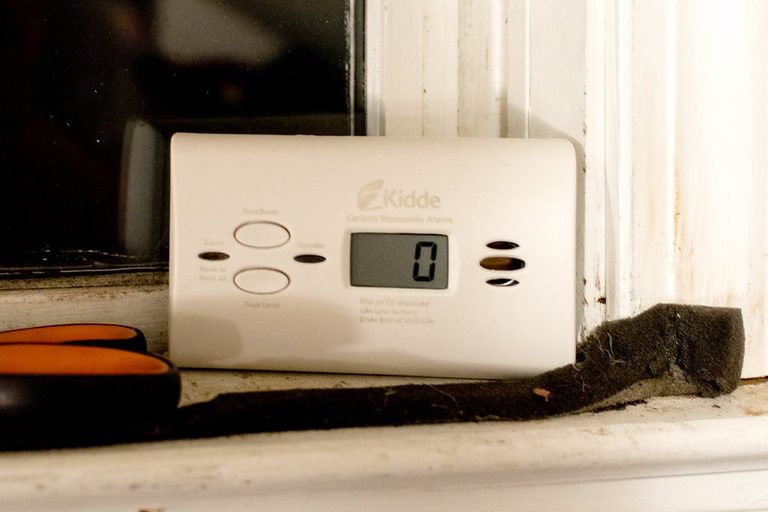
Check that every floor and sleeping area has a battery-backup CO alarm, placed and tested, before the first winter power outage.
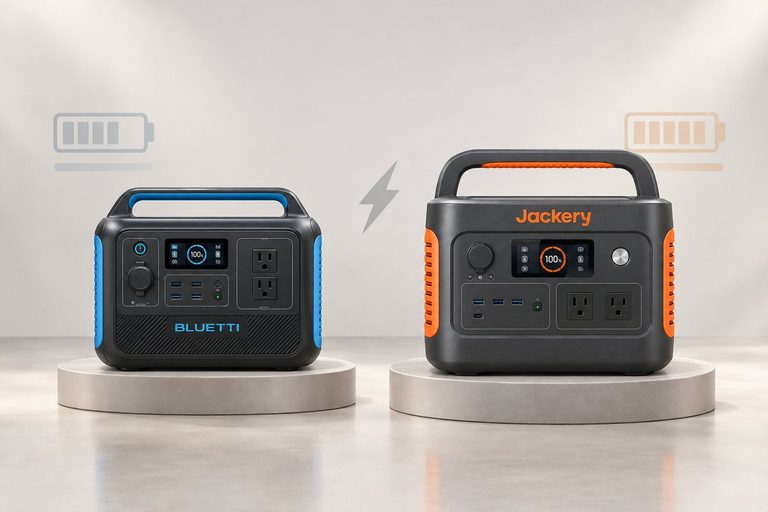
Bluetti Elite 100 vs. Jackery Explorer 1000 compared on runtime, solar charging, and price, with a clear pick for keeping a home running through an outage.