Will a Generator Run the Oven, Fridge and Slow Cookers on Thanksgiving?
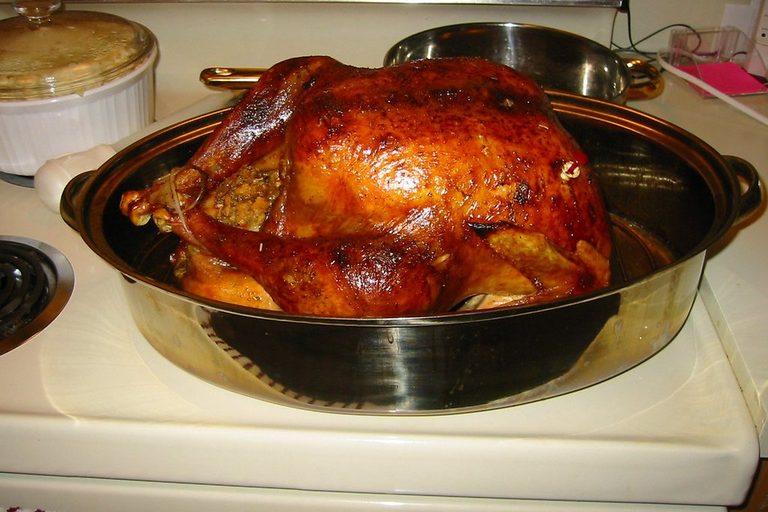
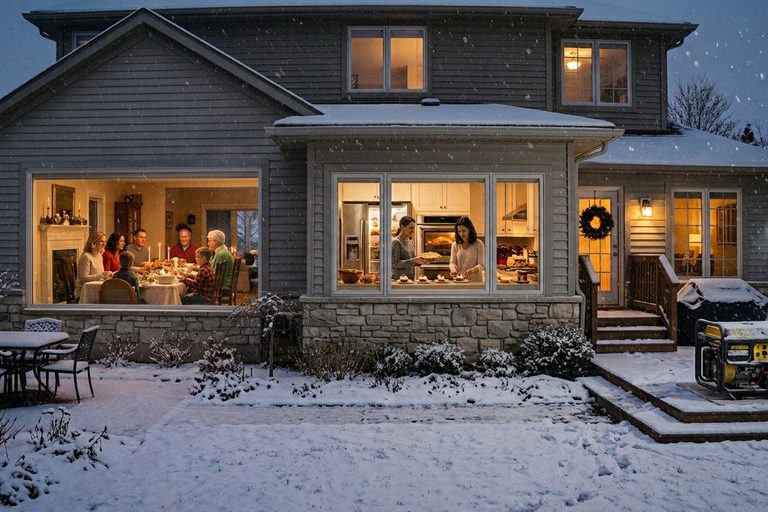
Most portable generators can run the fridge and slow cookers but not the oven. Here's how to plan a full Thanksgiving meal during an outage.
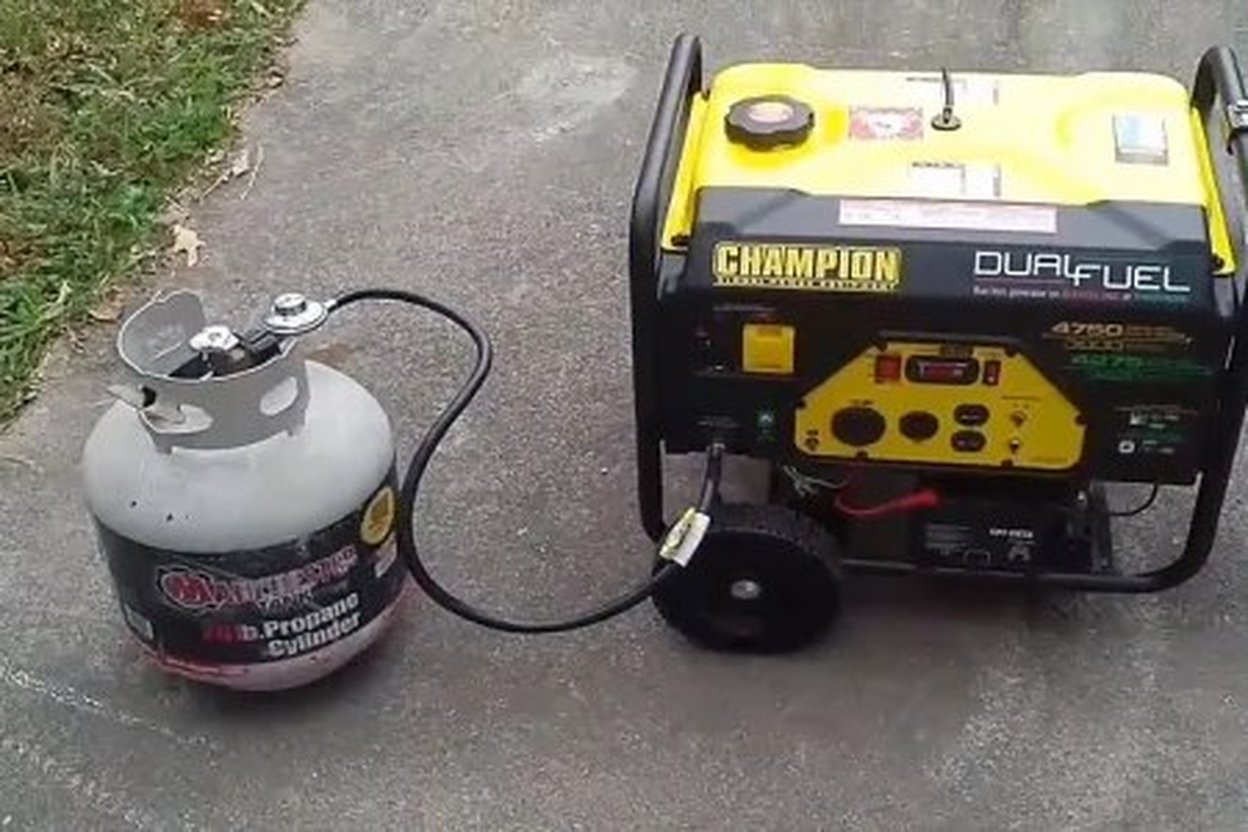
Dual fuel or gasoline generator for outages? See the power loss on propane, fuel storage tradeoffs, Midwest winter issues, and which to buy.
The power goes out Thursday evening and the forecast says it could take days to restore. The gas station down the road is dark, and the two red cans in the garage have been sitting there since July. This is when the choice of generator fuel matters. For most households preparing for outages, a dual fuel generator is the better buy. It gives up a little power on propane, but propane keeps for years, and with two fuels you have a backup when one runs short.
For most families preparing for storms, ice and long outages, dual fuel is the better pick. A dual fuel portable generator runs on gasoline or propane. It usually costs a bit more than a gasoline-only model, and it puts out about 10% fewer watts on propane than on gas.
What you get for that is fuel you can store and backup you can count on. Gasoline goes stale in a matter of months. Propane in a sealed cylinder can sit for years and still be ready. If a long outage leaves you short of one fuel, you switch to the other. Some models make the switch while running: Westinghouse says its dual fuel unit can change from gas to propane without shutting off.
Gasoline-only still makes sense in two cases:
The rest of this article covers what you give up, what you gain, how the Midwest winter affects both fuels, and how to run either one safely.
Power. On propane, a dual fuel generator loses about 10% of its output. Westinghouse's WGen7500DF is rated at 7,500 running and 9,500 peak watts on gasoline. On propane it drops to 6,750 running and 8,550 peak. Champion lists its 7500-watt dual fuel at 7,500 running watts on gas and 6,750 on propane, the same 10% drop. Smaller units follow the same pattern. A Champion 2500-watt spec sheet lists 1,850 running watts on gas and 1,665 on propane, with the same starting watts on both fuels.
The reason is energy content. The U.S. Energy Information Administration puts gasoline at 120,214 Btu per gallon and propane at 91,452 Btu per gallon. That means propane carries about 24% less energy per gallon, so the engine makes a little less power and burns through fuel faster.
Runtime. Westinghouse lists the WGen7500DF at up to 11 hours on its 6.6-gallon gas tank at 25% load. On a standard 20 lb propane tank at the same load, it lists up to 8 hours.
Pay attention to the words "up to" and the load figure. A quarter load on a 7,500-watt generator is under 2,000 watts. That's roughly a fridge, a freezer, some lights and phone chargers. Add a well pump or a space heater and the runtime drops quickly. Manufacturers also test at different loads (some at 25%, some at 50%), so runtimes from one brand can't be compared directly with another's. Plan around your own load, and expect real-world hours to be lower than the box says.
In practice, a 6,750-watt generator on propane still runs everything most families need during an outage.
Fuel is where dual fuel earns its price.
**Gasoline doesn't keep long.** Ferrellgas, a propane seller, puts gasoline's average shelf life at about 3 months and suggests replacing stored gas about every six months. Stale gas is a common reason a generator that ran fine last spring won't start in November. Fuel stabilizer helps. Sta-Bil's maker says it keeps gasoline fresh for up to 24 months, but that's a manufacturer's claim and real results vary. The safe habit is to stabilize every can and rotate it into the car or mower on a regular schedule.
Propane keeps much longer. Ferrellgas says propane can typically be stored 10 to 30 years or more if the cylinder and valve are in good shape. That's a vendor's claim, but the point stands: propane in a sealed cylinder doesn't break down the way gasoline does. A cylinder you fill this fall will still be good next spring and the winter after.
Getting fuel during an outage. When the power is out across town, gas stations may be out too, since pumps need electricity. That's when you find out how much fuel you really have. Propane exchange cylinders are sold at hardware stores, groceries and gas stations, and you can buy a few on a normal Saturday and set them aside.
A practical plan:
Fall is a good time to set this up. Pick up a couple of extra cylinders before the Thanksgiving rush and the first ice storm, while the shelves are full.
Winter is where propane needs some extra care. Generator owners on forums report that propane vaporizes slowly near and below freezing, so a single small cylinder can struggle to supply enough gas in deep cold. Some owners also report slower starts on propane on bitter mornings. These are owner reports, not engineering test data, but enough people mention them that it's worth planning for.
Gasoline has cold-weather problems too. Old gas left in a carburetor can gum it up, and a generator that sat all summer with stale fuel can be just as hard to start in January as one fighting a cold propane tank.
A few habits help with both:
Having two fuels is a real advantage in Midwest winters. If one fuel gives you trouble in the cold, you can switch to the other.
For a sense of price, Westinghouse lists the WGen7500DF dual fuel at $1,149 MSRP. Gasoline-only models generally cost less, but the difference depends on brand, size and what's on sale that week. The best way to compare is to price the dual fuel and gas-only versions of the same model at the same store on the same day. If the dual fuel version costs only a little more, it's usually worth it.
A simple rule:
Buy dual fuel if:
Buy gasoline-only if:
Either way, size the generator for your real load first. A generator that's too small will disappoint you on either fuel.
Gasoline and propane both produce carbon monoxide, and portable generators kill dozens of people every year. The fuel doesn't change any of the rules:
Set it up safely, keep some of both fuels on hand, and you'll be ready for the next outage.
Most portable generators can run the fridge and slow cookers but not the oven. Here's how to plan a full Thanksgiving meal during an outage.
Power died with the turkey in the oven? Check its temperature, move it to a hot outdoor grill fast, and finish it safely.
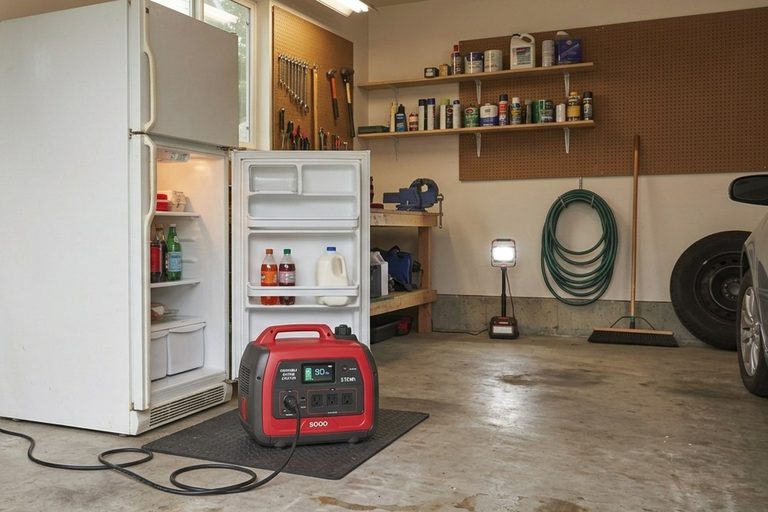
Learn how to calculate how long a 1,000, 2,000 or 3,600 Wh power station will run your fridge, with a simple formula and food-safety limits.