The covered porch is still inside for carbon monoxide
A covered porch counts as indoors for carbon monoxide. Learn the 20-foot rule, safe generator placement, and how to set up CO alarms.
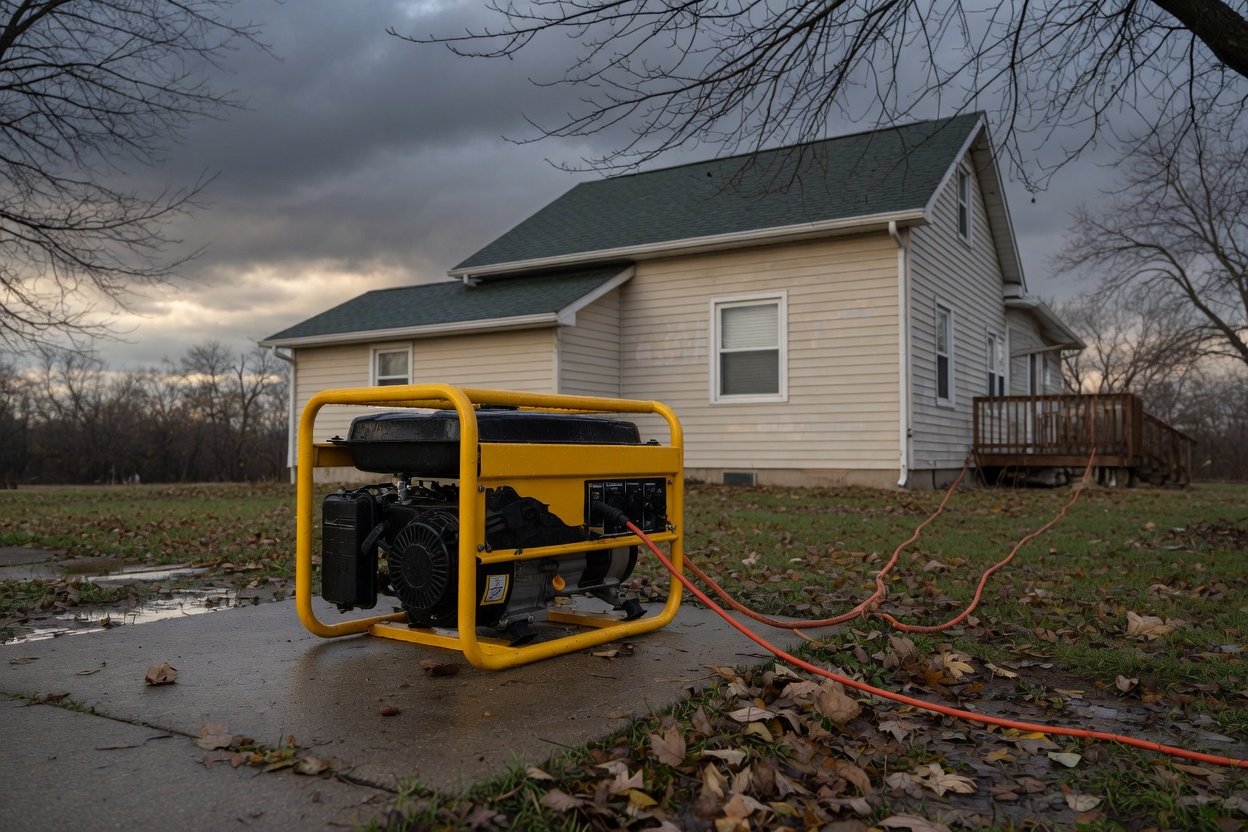
Buy too small and the sump pump stalls; buy too big and you waste fuel and money. How to add up running and starting watts for what you actually need to run in an outage.
The most common generator mistake is guessing. People buy whatever's on sale, then find out in the first outage that it can't start the sump pump and the fridge at the same time. Sizing it takes about 20 minutes with a pencil.
Generators list both: "running watts" (or rated) and "starting watts" (or peak). Size by running watts, and make sure the starting watts cover the biggest motor starting while everything else runs.
Start with your must-run list from our power station vs. generator guide: sump pump, refrigerator, freezer, furnace blower, well pump, medical devices, lights, phone charging, internet.
Look at the label on each appliance or its manual, which lists watts, or volts and amps (watts = volts × amps). Typical ranges, only as a rough guide:
Always use your actual labels.
That's your minimum generator size.
You don't have to run everything at once. Cycle the freezer, run the dryer never, and stagger big motors. A smaller generator managed smartly beats a bigger one you can't afford to fuel.
Inverter generators make cleaner power for electronics, are quieter and more fuel efficient, and cost more per watt. Conventional open-frame generators give more watts for the money. For a sump pump and fridge, either works; for sensitive electronics, inverters are nicer.
Bigger generators burn more fuel. Check the run time at half load, and plan how much fuel you'll store and rotate.
Extension cords for a few appliances, or a transfer switch or interlock installed by a licensed electrician to run house circuits. Never backfeed through an outlet. See transfer switch vs. interlock kit and generator safety.
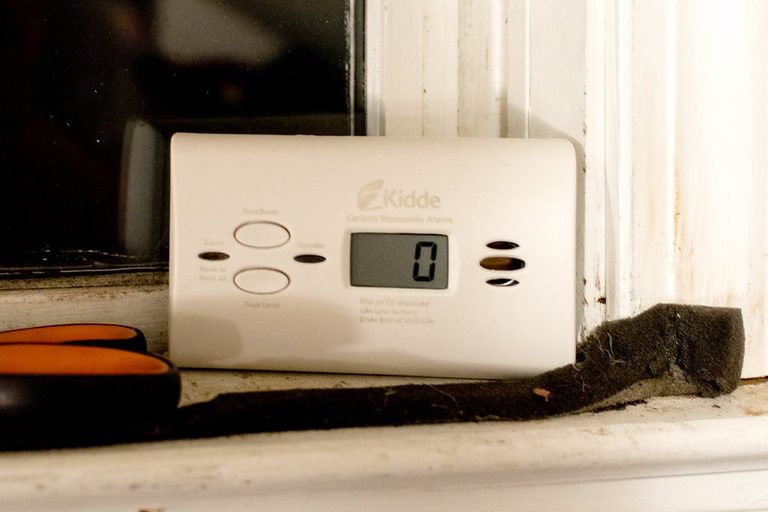
A covered porch counts as indoors for carbon monoxide. Learn the 20-foot rule, safe generator placement, and how to set up CO alarms.
Check that every floor and sleeping area has a battery-backup CO alarm, placed and tested, before the first winter power outage.
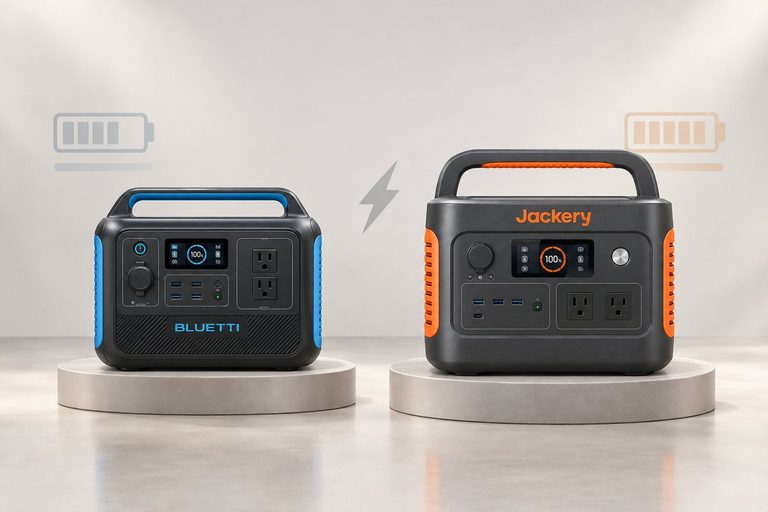
Bluetti Elite 100 vs. Jackery Explorer 1000 compared on runtime, solar charging, and price, with a clear pick for keeping a home running through an outage.