The covered porch is still inside for carbon monoxide
A covered porch counts as indoors for carbon monoxide. Learn the 20-foot rule, safe generator placement, and how to set up CO alarms.
Battery power stations are great for phones, lights, routers and medical devices. They're the wrong tool for heat, wells and big appliances. What they will and won't do, in plain numbers.
Battery power stations are everywhere this fall, and they'll be all over the holiday gift lists. They're useful. They're also oversold. Here's what one can and can't do in an outage.
Small loads over many hours:
Space heaters. A space heater draws about 1,500 watts. A 1,000 Wh station runs it well under an hour. Heat takes too much energy for a battery. See keep one room warm.
Well pumps. Most are 240-volt with a big start surge. Most portable stations can't run them at all.
Central air and electric furnaces. Far too much power.
Electric ranges, ovens, dryers, water heaters. Same.
A gas furnace blower: maybe, with the right setup. Many furnaces need a proper connection by an electrician, and they're picky about power quality. Ask before you count on it.
Wh ÷ watts = hours (then take off 10 to 15 percent for losses)
Wall outlet (not much help in an outage), car (slow), solar panels (slow in winter), or a generator (fast). A station plus a small generator is a good combo: the generator charges the battery for a few hours, the battery runs the quiet stuff overnight.
A power station keeps you connected, lit and able to run small medical devices. For heat and big appliances, you need a generator, a gas appliance, or another plan. See portable power station vs. generator.
Photo by pisauikan on Pixabay.
A covered porch counts as indoors for carbon monoxide. Learn the 20-foot rule, safe generator placement, and how to set up CO alarms.
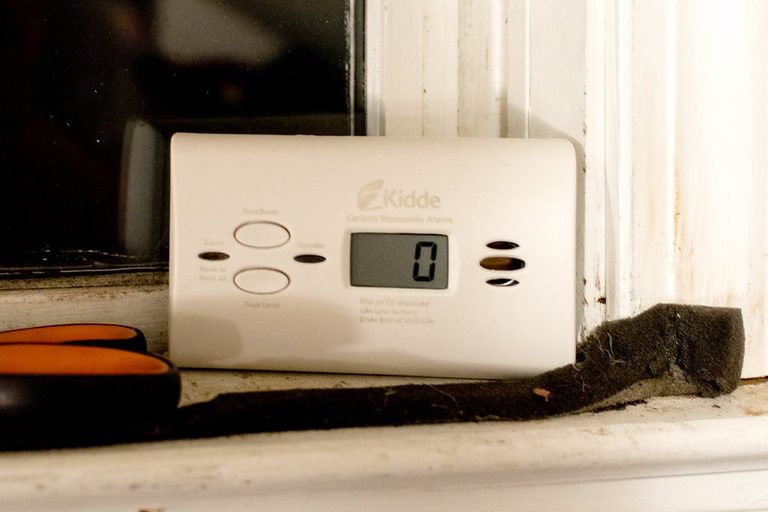
Check that every floor and sleeping area has a battery-backup CO alarm, placed and tested, before the first winter power outage.
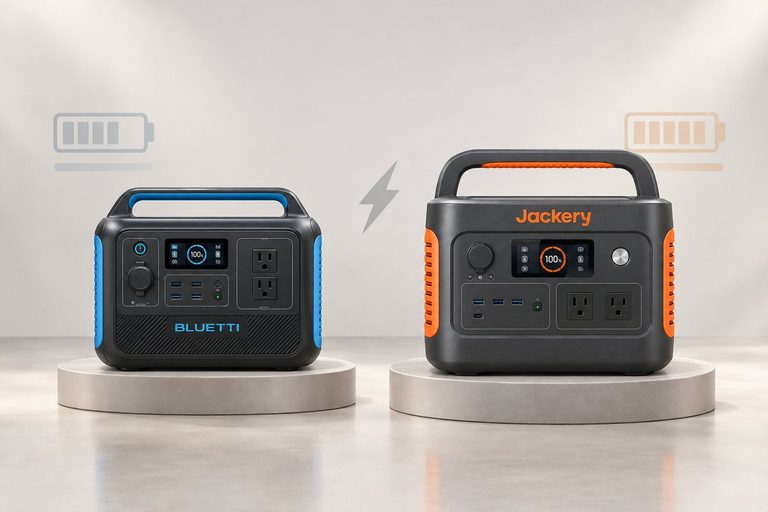
Bluetti Elite 100 vs. Jackery Explorer 1000 compared on runtime, solar charging, and price, with a clear pick for keeping a home running through an outage.