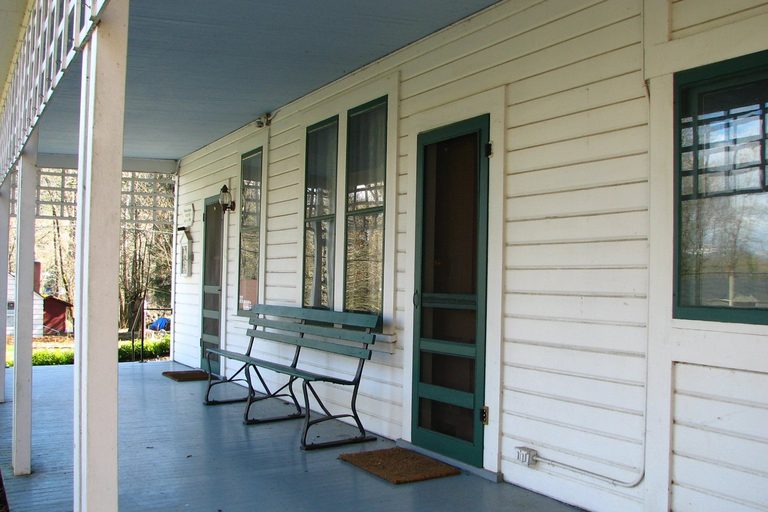
The covered porch is still inside for carbon monoxide
A covered porch counts as indoors for carbon monoxide. Learn the 20-foot rule, safe generator placement, and how to set up CO alarms.

Most generator carbon monoxide cases happen because somebody wanted to keep it dry. Why a covered porch or open garage still counts as inside, the 20-foot rule, and how to keep a generator out of the rain the safe way.
It's pouring, the power's out, and the generator is sitting in the yard getting soaked. The garage is right there. The covered porch is right there.
That's exactly how people end up in the ER.
On September 23, a short power outage in Conroe, Texas, sent firefighters to several carbon monoxide calls, with generators running in or near homes. Two days later, as a nor'easter moved in, the New Jersey Poison Control Center at Rutgers put out its own warning: one generator mistake can poison a whole household, pets included.
Every fall and winter the same stories repeat. Here's how not to be one.
Carbon monoxide doesn't care about walls. A roof and two sides trap exhaust, and it drifts in through doors, windows and gaps. An open garage door doesn't clear it either. CO can build up in a garage and seep into the house for hours after the generator is off.
Headache, dizziness, nausea, confusion, especially in more than one person at once: get everyone outside into fresh air and call 911. Poison Control is 1-800-222-1222.
A wet generator can be dried out. A house full of carbon monoxide can't be undone.
Montgomery County Police Reporter: Conroe outage brings CO calls · Newswise / NJ Poison Control at Rutgers: one generator mistake can prove deadly
Photo by JESHOOTS-com on Pixabay.
A covered porch counts as indoors for carbon monoxide. Learn the 20-foot rule, safe generator placement, and how to set up CO alarms.
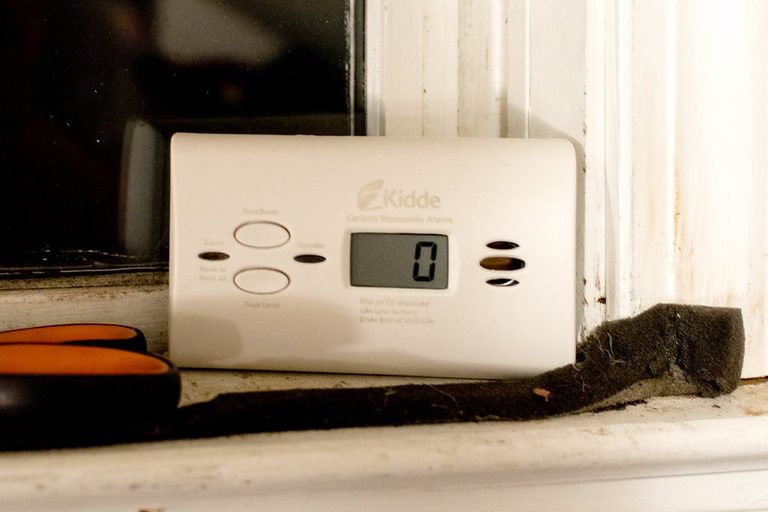
Check that every floor and sleeping area has a battery-backup CO alarm, placed and tested, before the first winter power outage.
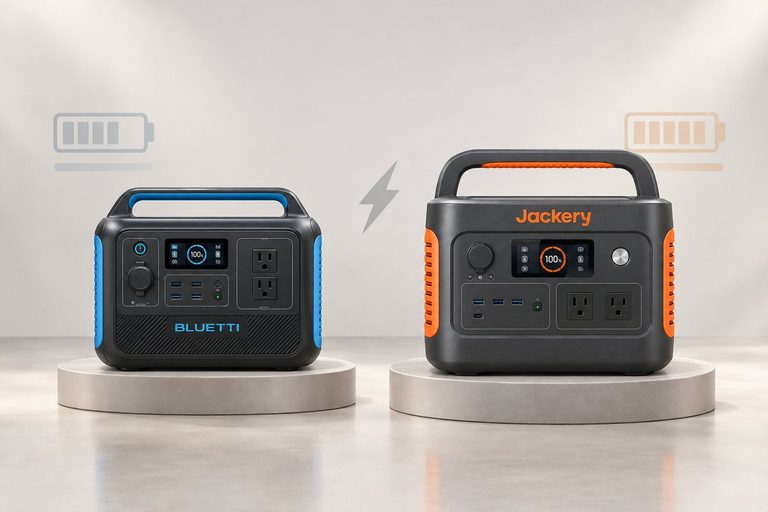
Bluetti Elite 100 vs. Jackery Explorer 1000 compared on runtime, solar charging, and price, with a clear pick for keeping a home running through an outage.