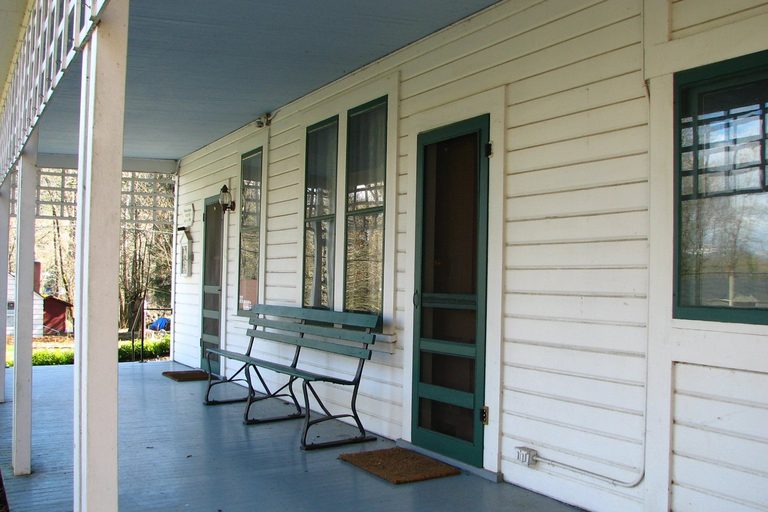
The covered porch is still inside for carbon monoxide
A covered porch counts as indoors for carbon monoxide. Learn the 20-foot rule, safe generator placement, and how to set up CO alarms.
When a winter outage knocks out the furnace, the wrong heat source can kill you faster than the cold. The safe options, the deadly ones, and the carbon monoxide rules every household needs.
Most furnaces need electricity to run, even gas ones: the blower, the igniter and the controls all run on power. So when an ice storm or blizzard takes the grid down in January, the house starts losing heat right away. How fast depends on the insulation and the weather, but a typical house can get uncomfortably cold within hours and dangerously cold within a day or two.
Every winter, people die in outages, and often not from the cold. They die from carbon monoxide, from heat sources that should never be used indoors. Here's how to stay warm and stay alive.
Carbon monoxide (CO) is a colorless, odorless gas from anything that burns fuel. It can kill you in your sleep.
More on generator placement in generator safety.
The best option if you have it: a generator outside, at a safe distance from the house, powering the furnace through a transfer switch or interlock. Most gas furnaces don't take a lot of power to run, so even a modest generator can often handle one. See how to size a backup generator and transfer switch vs. interlock.
A properly installed wood stove is one of the best backup heat sources there is. Keep the chimney cleaned and inspected, and store dry wood. An open fireplace, on the other hand, sends a lot of heat up the chimney and can pull warm air out of the house; it helps in the room you're in, but not much more.
Some small propane heaters are designed and labeled for indoor use, with an oxygen depletion sensor (ODS) and tip-over shutoff. Only use heaters specifically rated for indoor use, follow the manufacturer's ventilation instructions exactly (many still require cracking a window), and keep a CO alarm in the room.
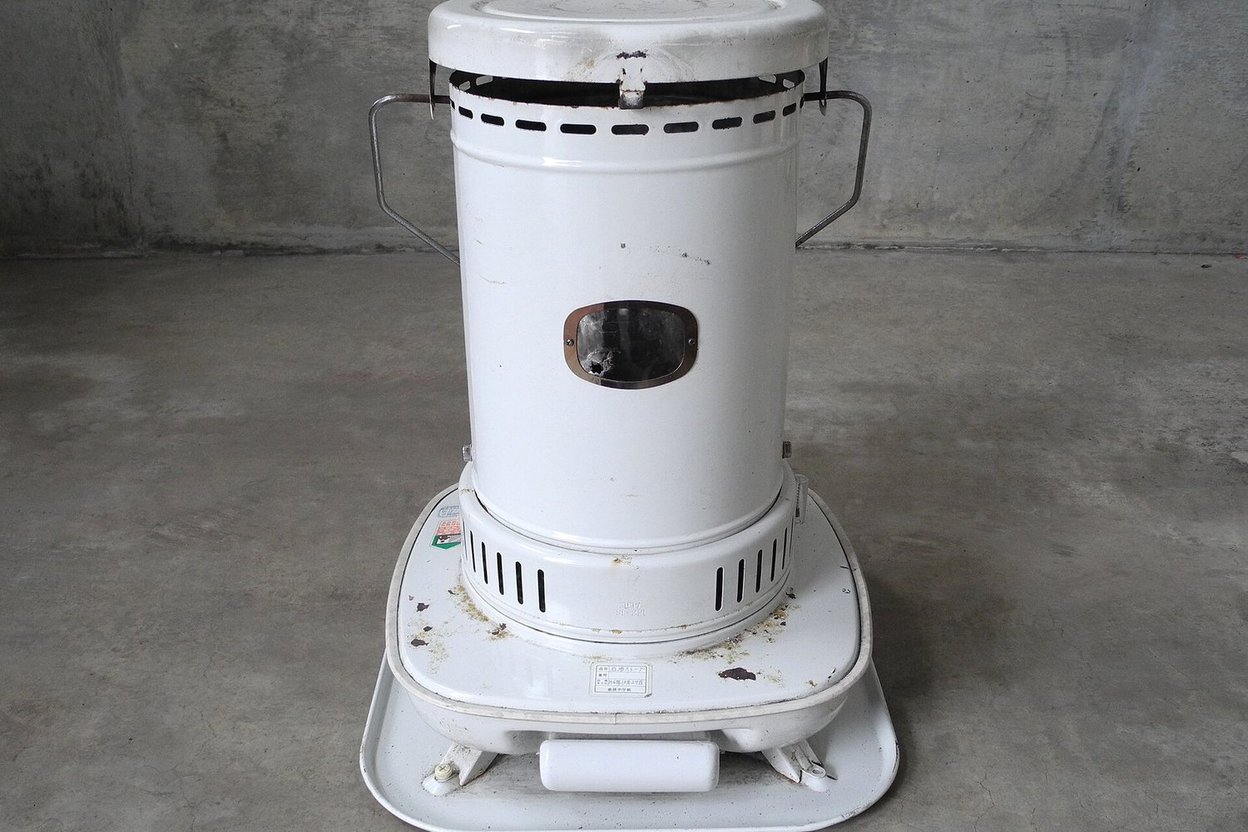
Kerosene heaters put out a lot of heat, but they burn fuel inside your home. If you use one:
A battery power station can't run a space heater for long (heaters use a lot of power), but it can run an electric blanket or heated mattress pad for hours. That's a very efficient way to stay warm at night. See portable power station vs. generator.
The less space you heat, the longer your fuel lasts:
If you can't keep the house safe and warm, go somewhere that is: a relative's house, a hotel, or a warming center. Towns and counties open warming centers in long outages; check local news, your town's alerts, or call 211.
Plan for a multi-day outage in winter; in the Midwest they're not rare. See how long Midwest power outages really last.
Photo: JapaneseKeroseneHeater by Douglas P. Perkins, CC BY 3.0.
A covered porch counts as indoors for carbon monoxide. Learn the 20-foot rule, safe generator placement, and how to set up CO alarms.
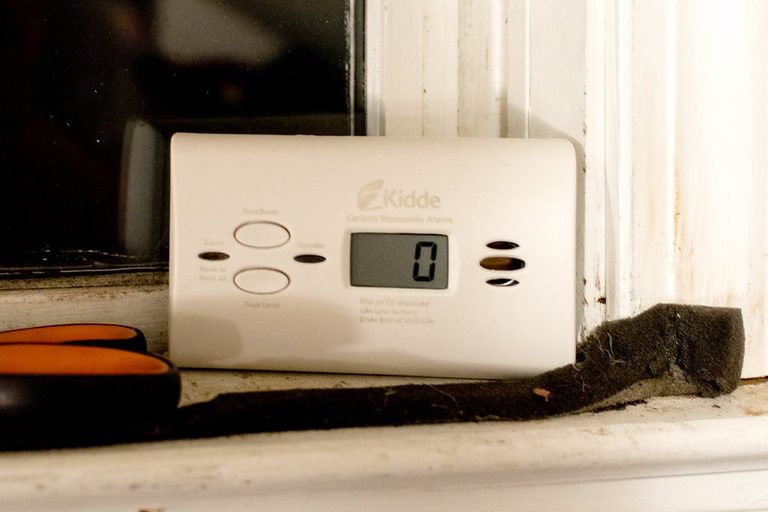
Check that every floor and sleeping area has a battery-backup CO alarm, placed and tested, before the first winter power outage.
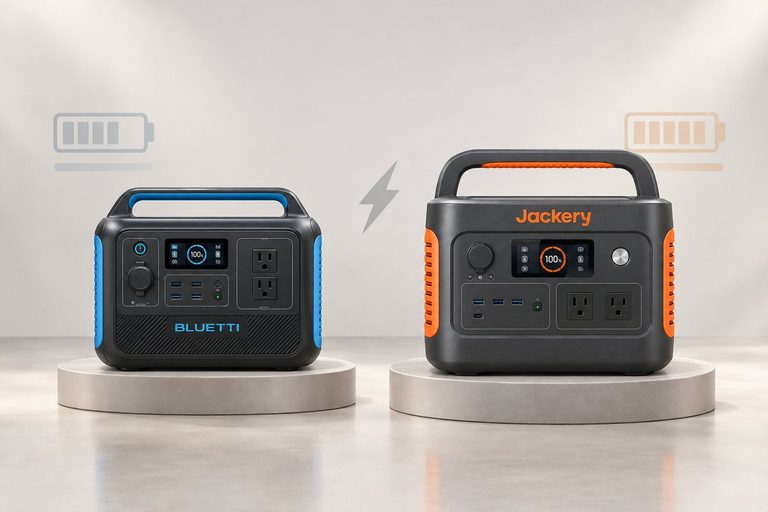
Bluetti Elite 100 vs. Jackery Explorer 1000 compared on runtime, solar charging, and price, with a clear pick for keeping a home running through an outage.