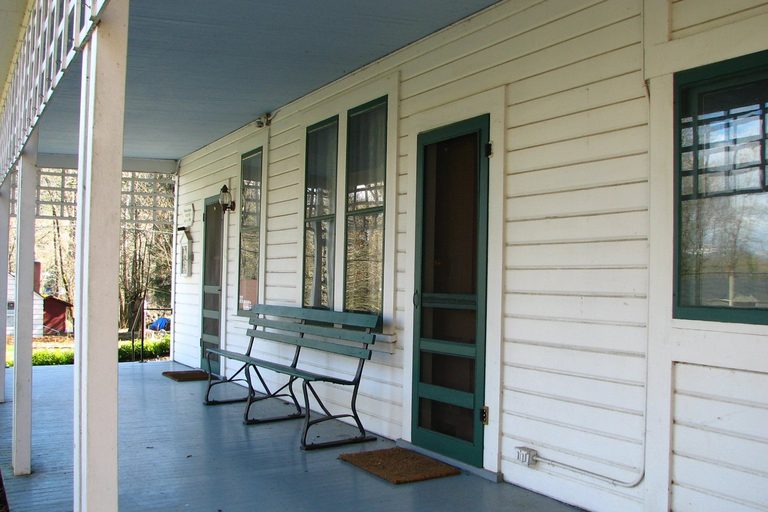
The covered porch is still inside for carbon monoxide
A covered porch counts as indoors for carbon monoxide. Learn the 20-foot rule, safe generator placement, and how to set up CO alarms.
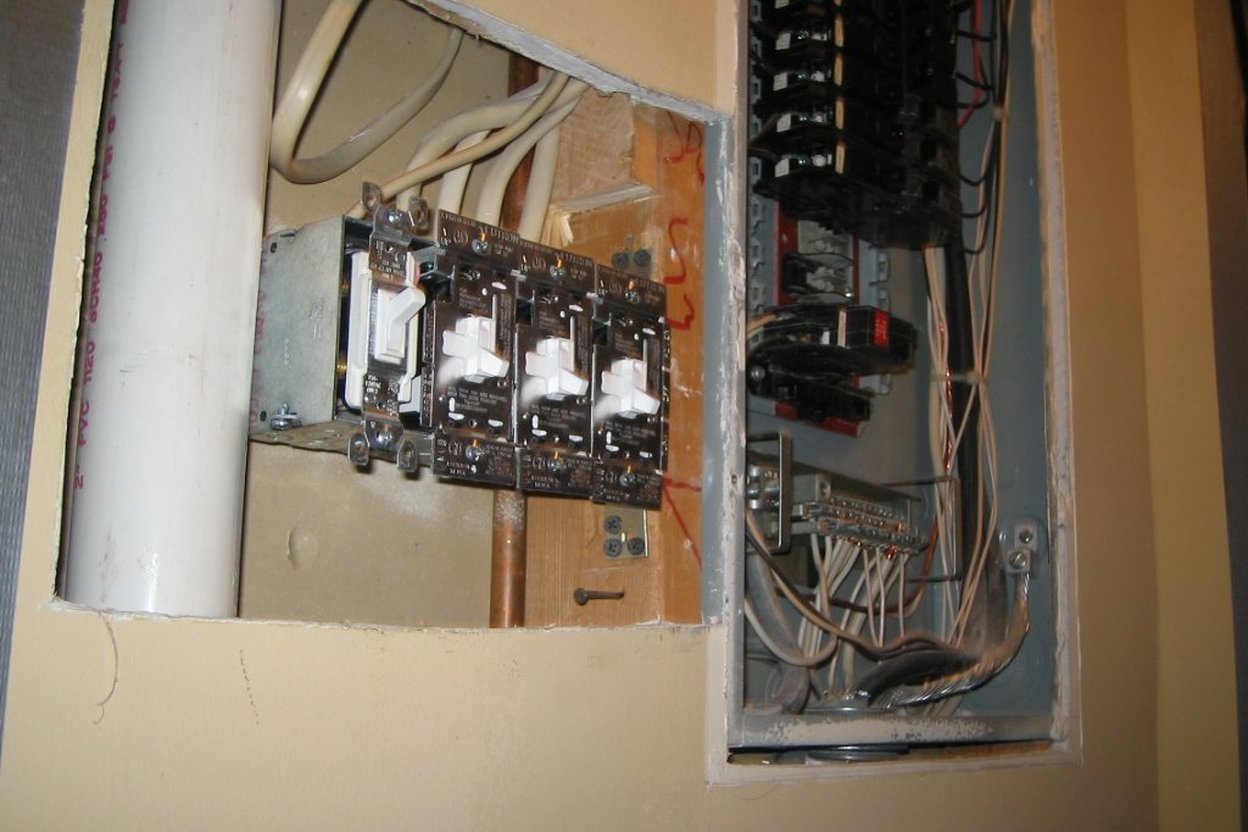
Two safe, legal ways to connect a portable generator to your house circuits. How a transfer switch and a panel interlock work, the pros and cons of each, and why an electrician should install them.
Extension cords work for a fridge and a lamp. But if you want to run the furnace, the well pump, or the sump pump that's hard-wired, you need to connect your generator to the house circuits. There are two safe ways to do it: a transfer switch or an interlock kit. Both keep generator power from flowing back onto the utility lines, which is what makes them safe and legal.
Both setups usually include a power inlet box outside the house: a weatherproof socket where you plug in the generator's cord. No more cords through the window.
A small sub-panel mounted next to your main panel. You choose a handful of circuits (sump, furnace, fridge, a few lights), and they get wired through the transfer switch.
Pros: - Clear and simple: flip each circuit from "line" to "generator." - Limits you to the circuits you planned, which helps avoid overloading the generator.
Cons: - You're limited to the circuits wired to it. - Usually costs more to install than an interlock.
A metal plate installed on your main panel that physically prevents the main breaker and a generator breaker from being on at the same time. To run on the generator, you turn the main off, slide the interlock, and turn the generator breaker on. Then you turn on only the circuits you want.
Pros: - Any circuit in the panel can run on the generator (one at a time within the generator's limit). - Often less expensive.
Cons: - You have to manage the load yourself, flipping breakers so you don't overload the generator. - The interlock must be listed for your specific panel.
Standby (whole-home) generators use an automatic transfer switch that starts the generator and switches over when the power goes out. That's a different, bigger system.
This is work on your main electrical panel. A licensed electrician should install it, with a permit and inspection where required. They'll make sure the equipment is rated for your panel and your generator, and that it meets code.
Either way, size your generator first: how to size a backup generator. And read generator safety before the first storm.
Photo: US electrical switches and breaker panel by JJ, CC BY 2.0.
A covered porch counts as indoors for carbon monoxide. Learn the 20-foot rule, safe generator placement, and how to set up CO alarms.
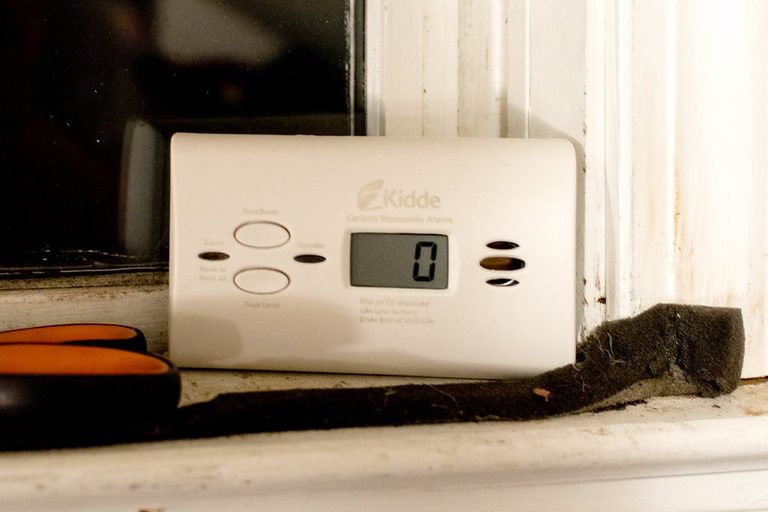
Check that every floor and sleeping area has a battery-backup CO alarm, placed and tested, before the first winter power outage.
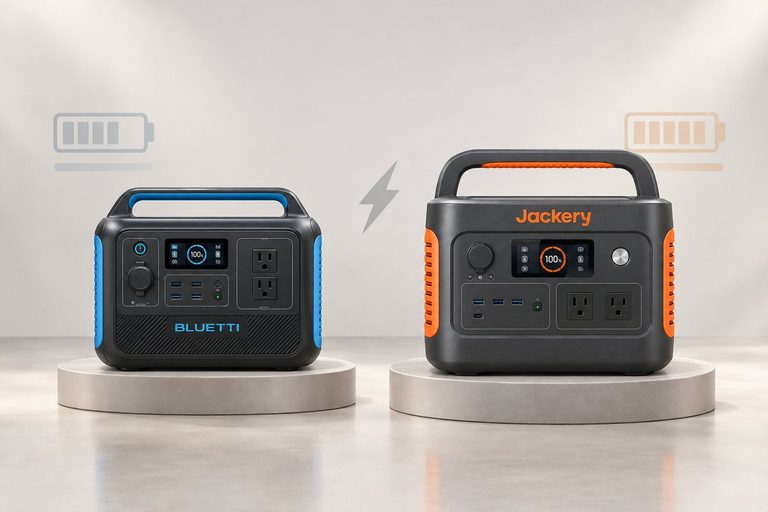
Bluetti Elite 100 vs. Jackery Explorer 1000 compared on runtime, solar charging, and price, with a clear pick for keeping a home running through an outage.