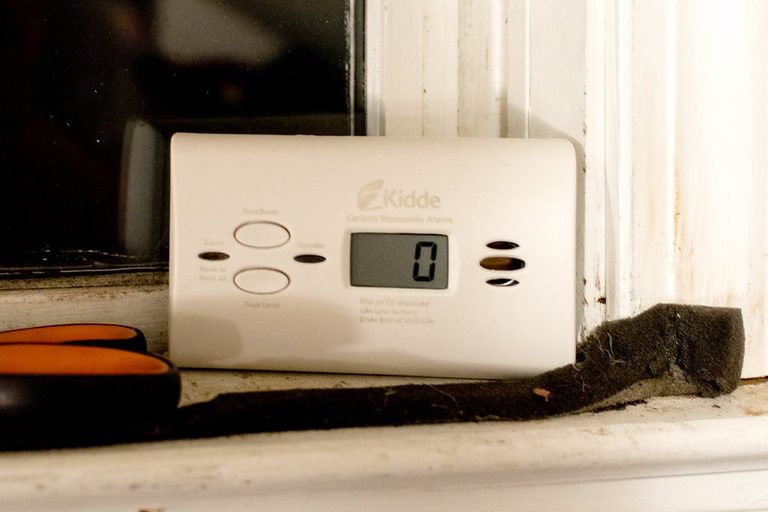
The covered porch is still inside for carbon monoxide
A covered porch counts as indoors for carbon monoxide. Learn the 20-foot rule, safe generator placement, and how to set up CO alarms.
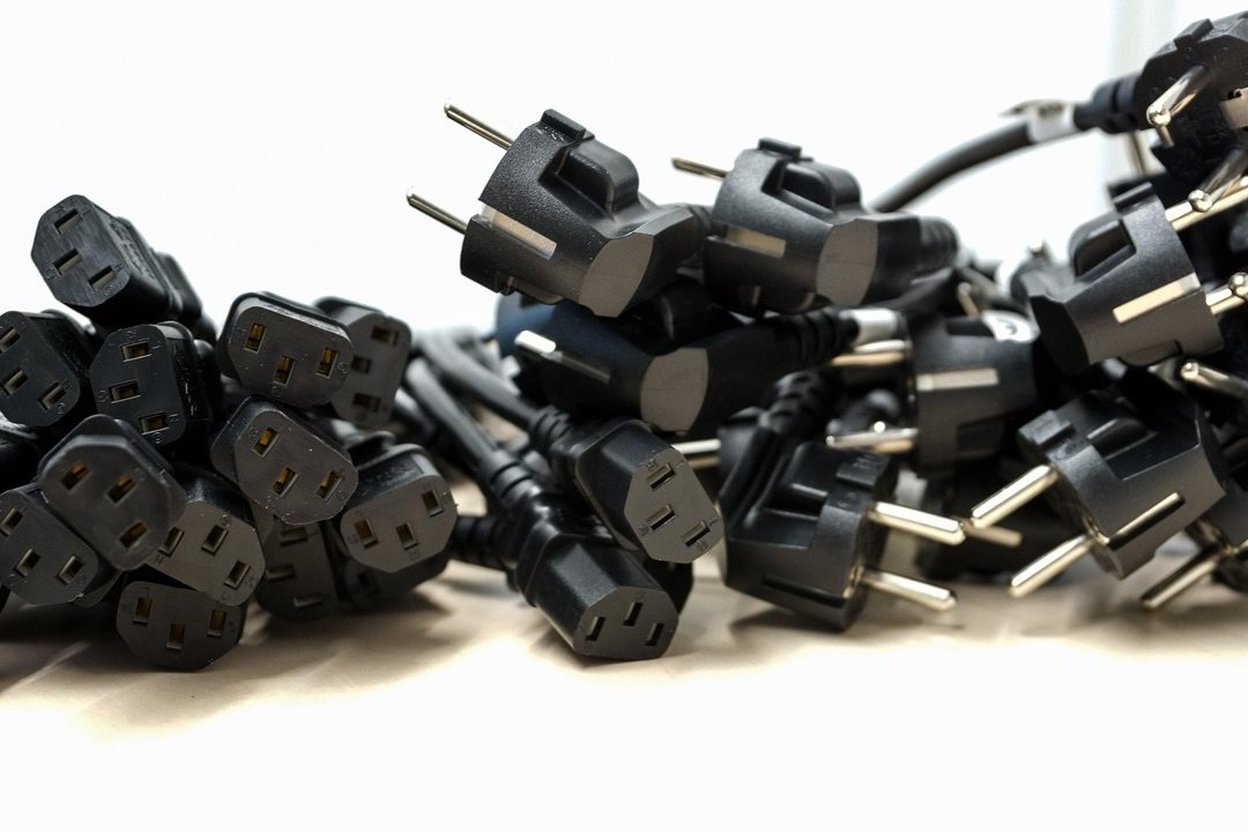
A thin cord on a big load overheats and starves the motor. How to pick the right extension cord gauge and length for a fridge, freezer or sump pump on a generator.
The generator is outside, 20 feet from the house. The fridge is in the kitchen. Something has to connect them, and the cheap orange cord from the junk drawer is the wrong one.
Cord thickness is listed as gauge (AWG). Lower number = thicker wire.
A cord that's too thin for its load:
Longer cords make it worse. The longer the run, the thicker the cord needs to be.
For a typical 120-volt household load:
Always check the cord's amp rating on the package or the cord jacket against what you're plugging in. When in doubt, go thicker.
Never plug a generator into a house outlet with a "double male" cord. It can electrocute a lineman down the street and fry your wiring. Use cords to appliances, or a proper transfer switch.
Before winter, uncoil your cords and look for cuts, crushed spots and burned plugs. Replace damaged cords. See starting watts vs. running watts for adding up your loads, and where the generator goes when it's raining.
Photo by Taken on Pixabay.
A covered porch counts as indoors for carbon monoxide. Learn the 20-foot rule, safe generator placement, and how to set up CO alarms.
Check that every floor and sleeping area has a battery-backup CO alarm, placed and tested, before the first winter power outage.
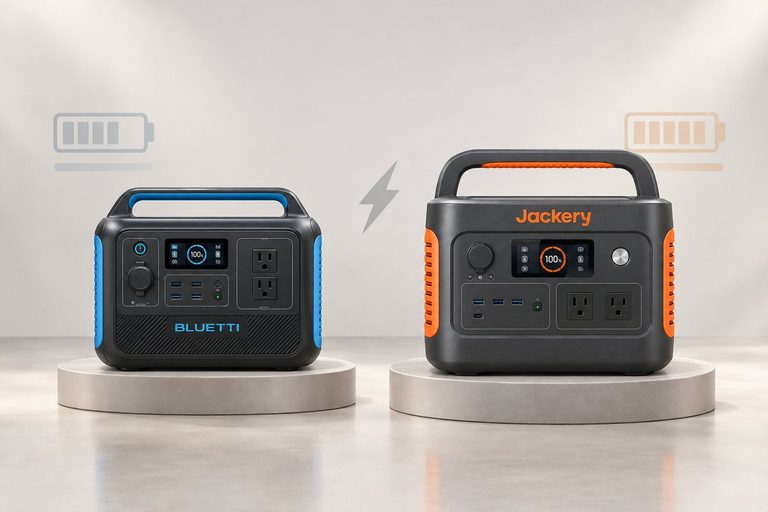
Bluetti Elite 100 vs. Jackery Explorer 1000 compared on runtime, solar charging, and price, with a clear pick for keeping a home running through an outage.