The Midwest PrepperPrepared, not paranoidStart here
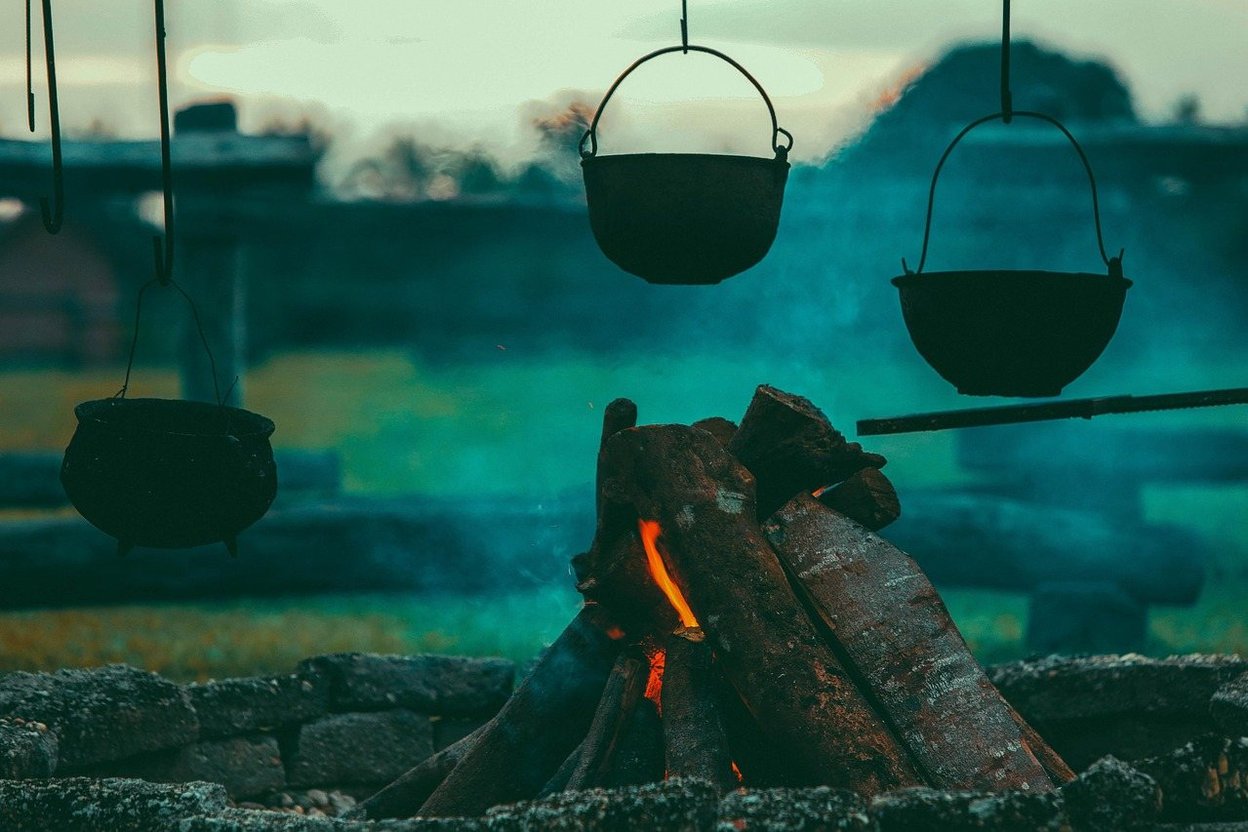
A pot hanging over a campfire outdoors
06Food Reserves

Cooking When the Power's Out

When the stove and microwave go dark, you still have to eat. Food safety in a dead fridge and freezer, safe ways to cook, the deadly ones, and a few no-cook meals to keep on the shelf.

Read
3 min
Updated
October 4, 2026

In a long outage, cooking is one of the first things people struggle with. Electric stoves, microwaves and many gas ranges with electric ignition stop working. Here's how to keep your family fed safely.

01First: the food you already have

Keep the fridge and freezer closed

According to FoodSafety.gov:

  • A refrigerator keeps food safely cold for about 4 hours if the door stays closed.
  • A full freezer holds its temperature for about 48 hours (about 24 hours if half full).

Open them as little as possible.

What to toss

  • Perishable food (meat, poultry, seafood, milk, eggs, leftovers) that has been above 40°F for more than 2 hours should be thrown out.
  • Food in the freezer that still has ice crystals or is 40°F or below can be refrozen.
  • When in doubt, throw it out. Never taste food to decide.

A fridge and freezer thermometer tells you for sure.

Eat in the right order

  1. Perishables from the fridge first.
  2. Then the freezer.
  3. Then the pantry.

02Safe ways to cook

Outdoors only

  • Grills (gas or charcoal) and camp stoves are great, outdoors only, away from the house, doors and windows. Never in the garage, even with the door open.
  • A propane camp stove can cook nearly anything a kitchen stove can.

Indoors (the safe options)

  • A wood stove or wood-burning fireplace insert can heat water and cook simple meals.
  • A gas range may still work if you light the burner with a match (check your stove's manual; some won't run without power). Never use the oven or burners to heat the house.
  • Some butane stoves are labeled for indoor use with ventilation. Only use products clearly labeled for indoor use, follow the instructions exactly, and keep a CO alarm nearby.
  • A portable power station can run a small electric kettle, hot plate or slow cooker for a while, depending on its size. See portable power station vs. generator.
  • A generator can run a microwave or electric skillet through a heavy-duty extension cord, with the generator outside. See generator safety.

Never

  • Charcoal grills, gas grills, camp stoves or outdoor heaters indoors. Carbon monoxide kills people every winter this way.

03No-cook meals to keep on hand

When cooking is a hassle, these work:

  • Peanut butter and crackers or bread
  • Canned tuna, chicken or salmon
  • Canned beans with tortillas
  • Canned fruit and applesauce
  • Granola, cereal with shelf-stable milk
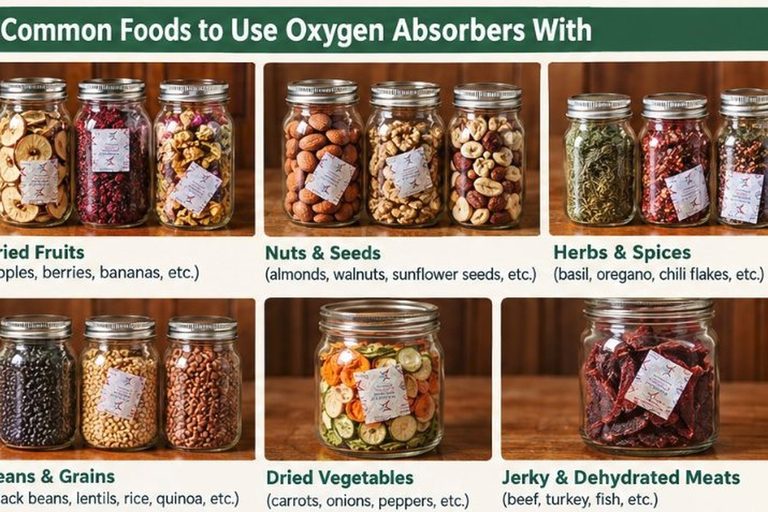
  • Nuts, trail mix, jerky
  • Protein bars

Keep a manual can opener.

04Water for cooking

You'll need water for cooking and cleanup. See water storage and your water heater is an emergency water tank.

05Build it into your pantry

A deep pantry of food you already eat, plus a camp stove and fuel, covers most outages. See a 3-month food supply on a normal budget.

Sources (1)

FoodSafety.gov: Food safety during a power outage.

Photo by Pexels on Pixabay.