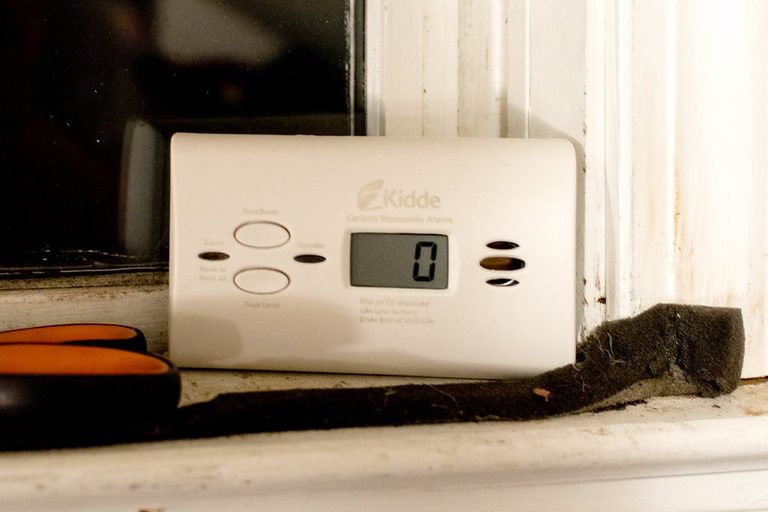
The covered porch is still inside for carbon monoxide
A covered porch counts as indoors for carbon monoxide. Learn the 20-foot rule, safe generator placement, and how to set up CO alarms.
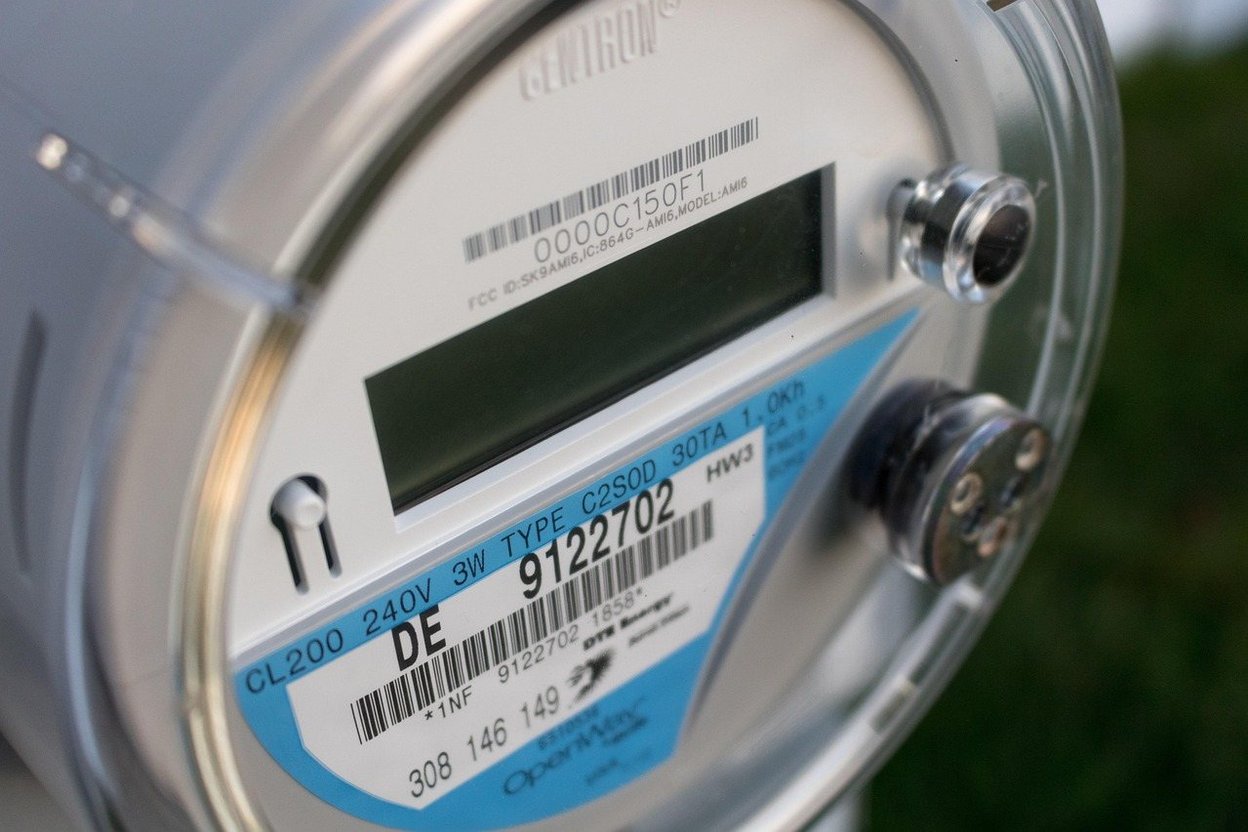
Why a generator that can run your fridge can't always start it. What starting and running watts mean, typical numbers for outage essentials, and how to add them up.
Generators list two numbers: running watts and starting watts (sometimes called surge or peak). If you only look at one, you'll buy too small or trip the breaker the first time the fridge kicks on.
Anything with a motor (fridge, freezer, sump pump, furnace blower, well pump) needs a big burst to start, often two or three times its running watts, for a second or two.
These are rough examples. Your appliance's label or manual has the real numbers.
The generator's running rating has to cover step 1. Its starting rating has to cover step 3.
Fridge (700) + sump pump (1,000) + furnace blower (600) + lights and router (100) = 2,400 running watts. Biggest surge: sump pump at 2,000 starting. 2,400 − 1,000 + 2,000 = 3,400 watts at the moment it kicks on.
A generator rated about 3,500 starting / 3,000 running would just make it. Bigger gives you margin.
Plug things in one at a time, biggest motor first. If two motors start at the same moment, the surge adds up.
See how to size a backup generator for the full walk-through.
Photo by rgaudet17 on Pixabay.
A covered porch counts as indoors for carbon monoxide. Learn the 20-foot rule, safe generator placement, and how to set up CO alarms.
Check that every floor and sleeping area has a battery-backup CO alarm, placed and tested, before the first winter power outage.
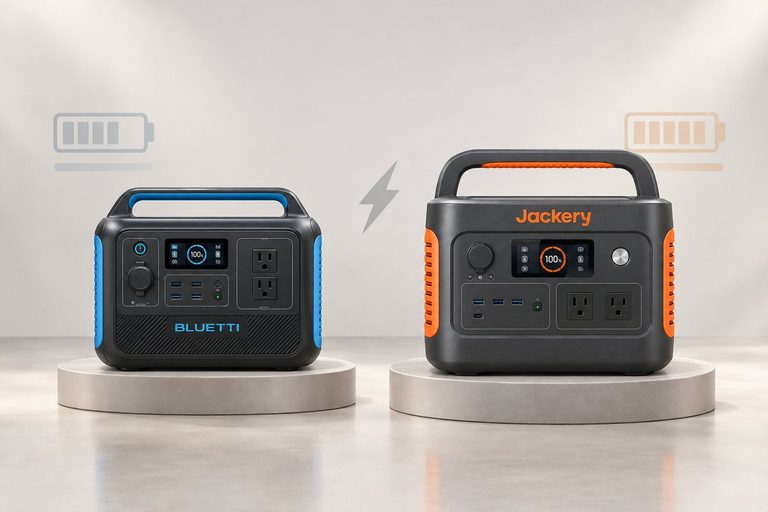
Bluetti Elite 100 vs. Jackery Explorer 1000 compared on runtime, solar charging, and price, with a clear pick for keeping a home running through an outage.