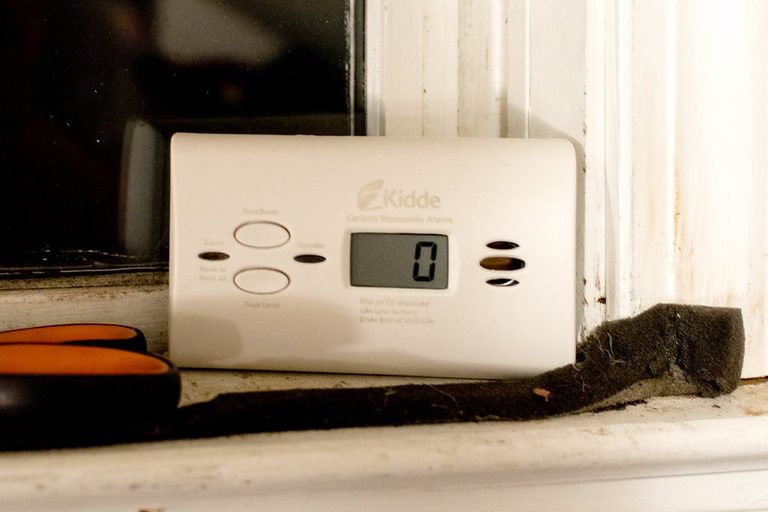
The covered porch is still inside for carbon monoxide
A covered porch counts as indoors for carbon monoxide. Learn the 20-foot rule, safe generator placement, and how to set up CO alarms.
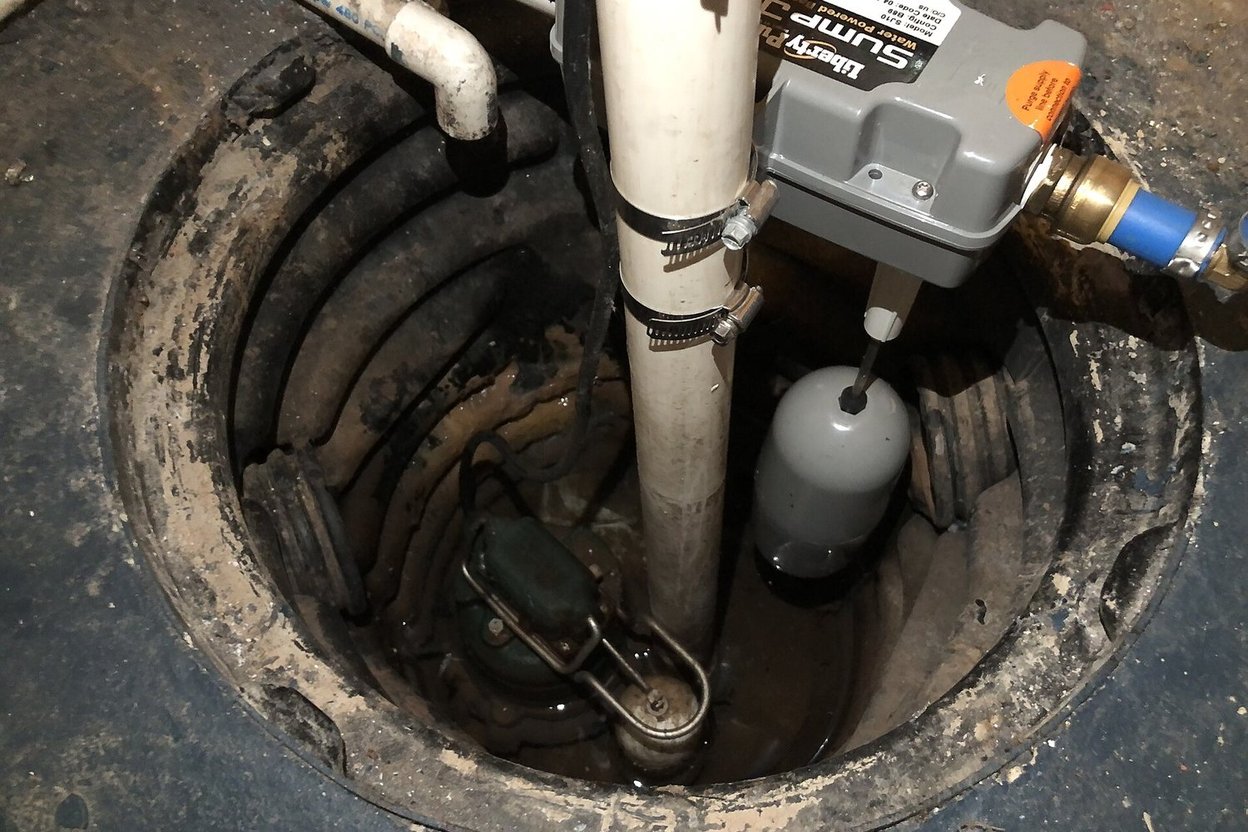
Storms that knock out power often bring the heaviest rain, and a sump pump without power can let a basement flood in hours. Battery backups, water-powered backups and generators, compared.
The cruel thing about Midwest storms: the same thunderstorm or snowmelt that fills your sump pit also knocks out the power. A sump pump without power is just a hole in the floor filling with water. In a wet spell, a basement can flood in hours, ruining furnaces, water heaters, freezers and everything stored down there.
Here are your options to keep it running.
A second pump installed in the pit, slightly higher than the main one, powered by a deep-cycle battery and charger. When the power goes out or the main pump fails, it kicks in.
Uses your city water pressure to suck water out of the pit. No electricity needed.
A portable generator can run the main sump pump through an extension cord (if it plugs in) or a transfer switch or interlock (if it's hard-wired).
A large power station can run a sump pump for a limited time if it can handle the starting surge. Check the specs carefully; many small units can't start a pump.
Many basement owners in wet areas use two layers: a battery backup for automatic protection when they're asleep or away, and a generator for long outages.
A sump pump failure is one of the most expensive outage problems a Midwest home can have, and one of the cheapest to prevent. Our fall home checklist has it on the list for a reason.
Photo: 2023-07-30 20 08 18 A newly-installed sump pump in the basement of a house along by Famartin, CC BY-SA 4.0.
A covered porch counts as indoors for carbon monoxide. Learn the 20-foot rule, safe generator placement, and how to set up CO alarms.
Check that every floor and sleeping area has a battery-backup CO alarm, placed and tested, before the first winter power outage.
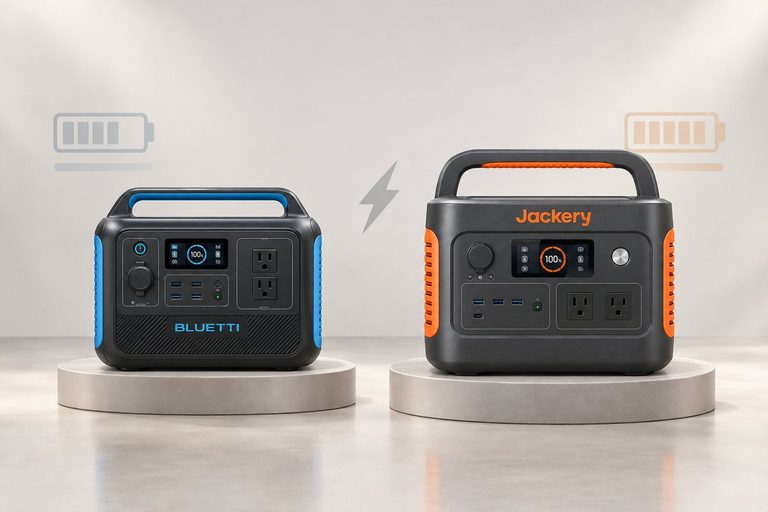
Bluetti Elite 100 vs. Jackery Explorer 1000 compared on runtime, solar charging, and price, with a clear pick for keeping a home running through an outage.